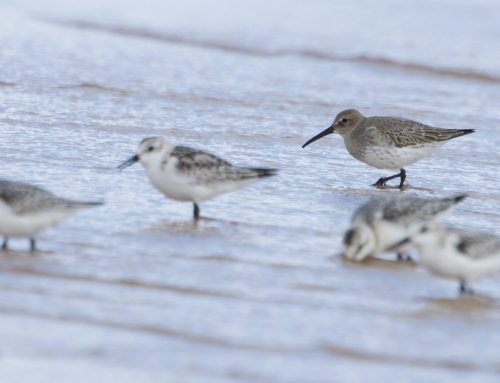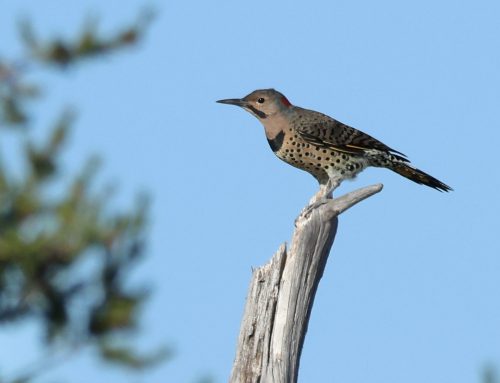
Yearly seasonal finch movements are irregular. Migrants are driven south by winter food availability. An impressive Type 2 (Ponderosa Pine) Red Crossbill dispersal continued into this week. A small number of Type 4 (Douglas-fir) were also recorded. Red Crossbills have at least ten different distinct “call types” across North America. These call types correspond with slight differences in range, appearance, and conifer preference. Each may represent a unique species. Red Crossbills types are identified by slight differences in soft “pik-pik-pik” call notes. Time will tell if this constant daily activity will soon fizzle out! Migrant groups of Purple Finch and American Goldfinch have also been consistent.
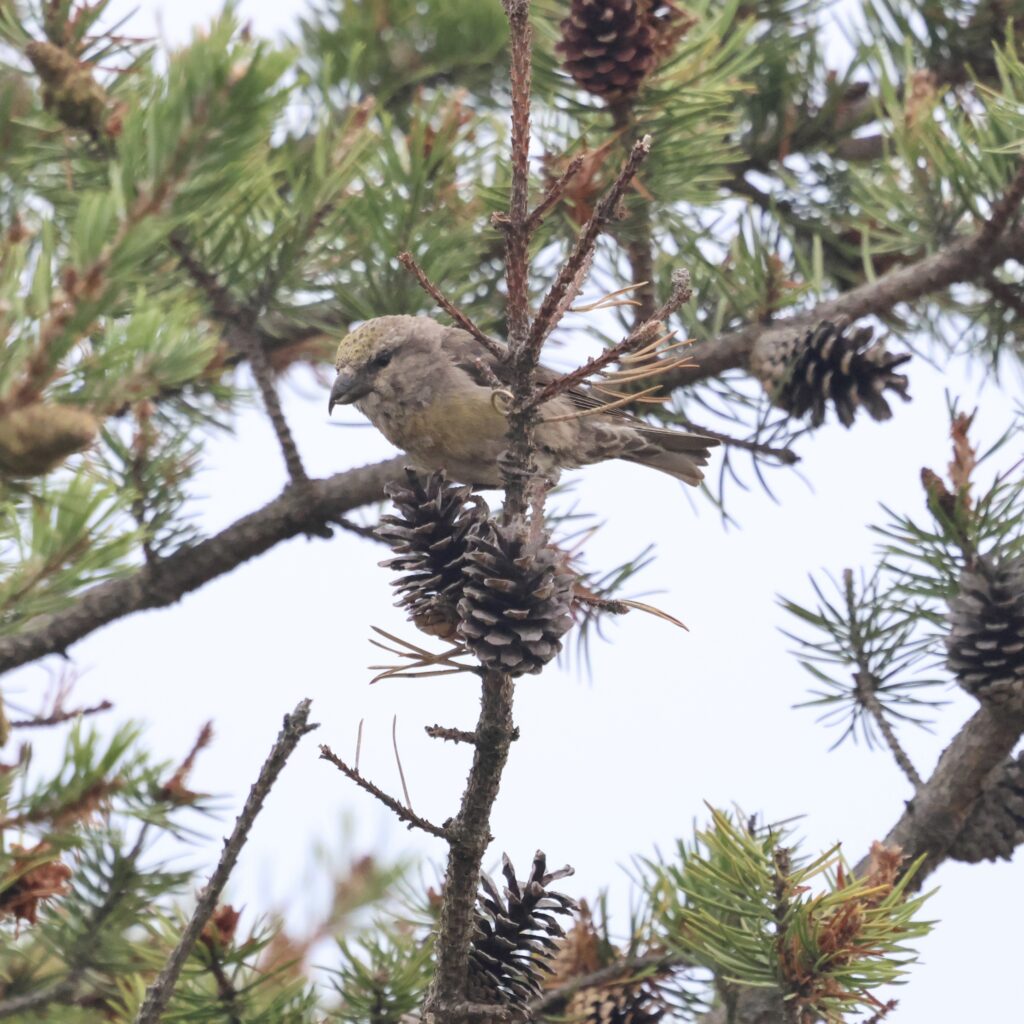
Red Crossbill. Photo by Oliver Kew.
High winds late in the week stalled morning passerine movement. Activity around/above the hawkdeck notably dropped off. Migrant warblers were forced lower to the ground to forage out of the wind. Flocks offered fantastic views to spectators during our weekend bird walks.
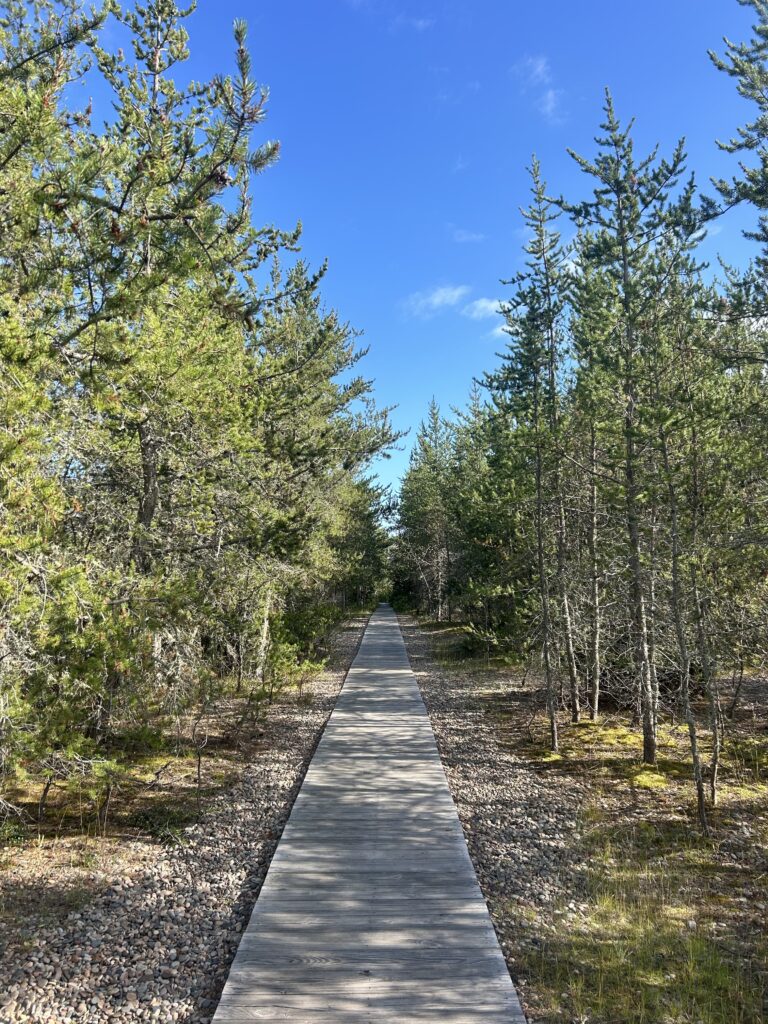
Whitefish Point boardwalk. Photo by Oliver Kew.
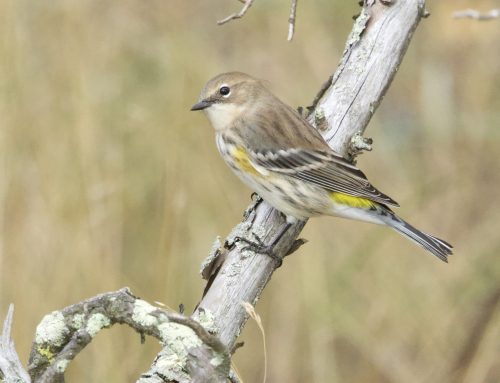
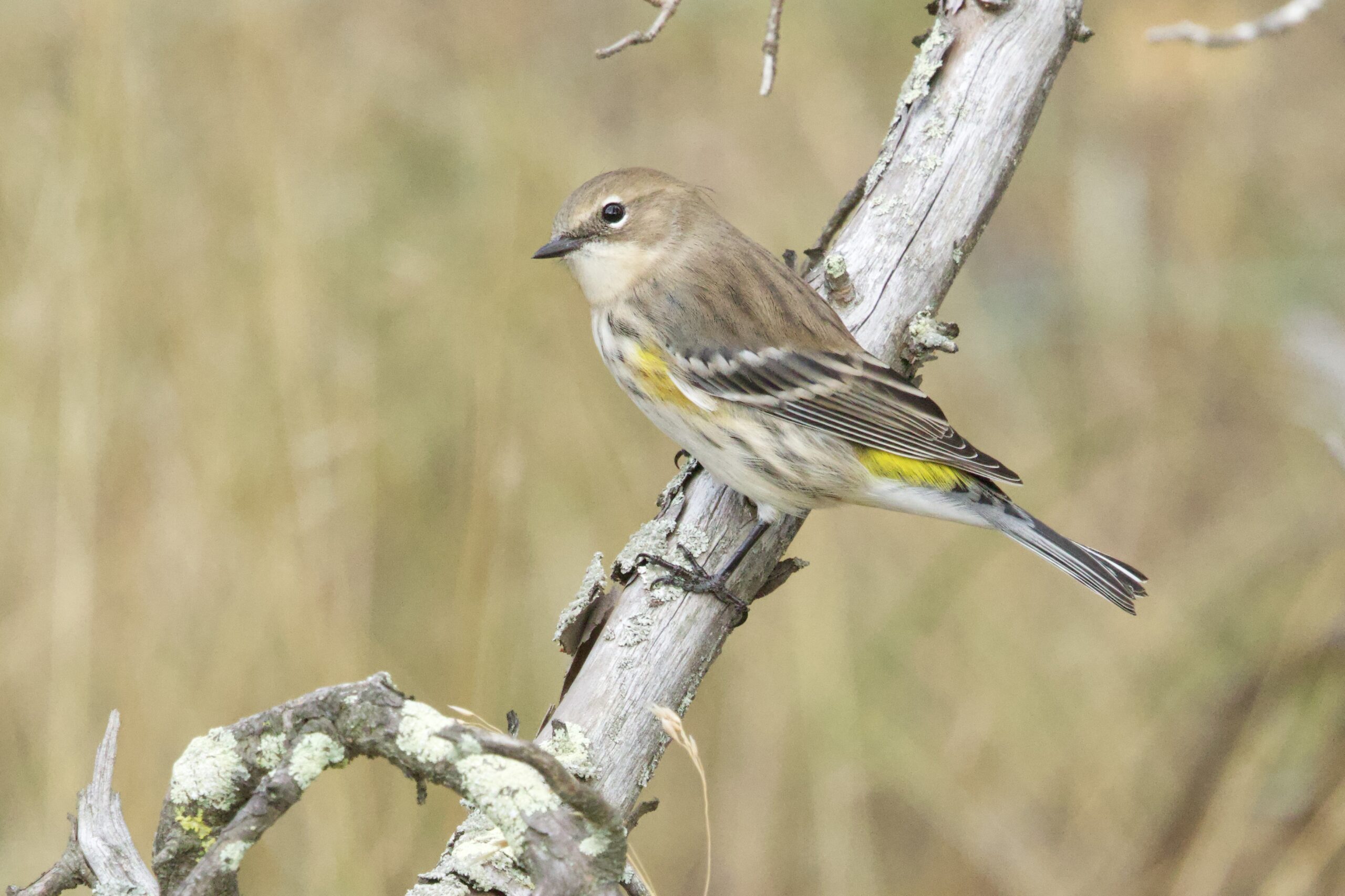
Warbler activity is a highlight this time of year. This week, Yellow-rumped Warbler numbers increased dramatically. A handful of Magnolia and Bay-breasted put on a nice showing in the woods. An early Blackpoll Warbler was recorded on 08/20.
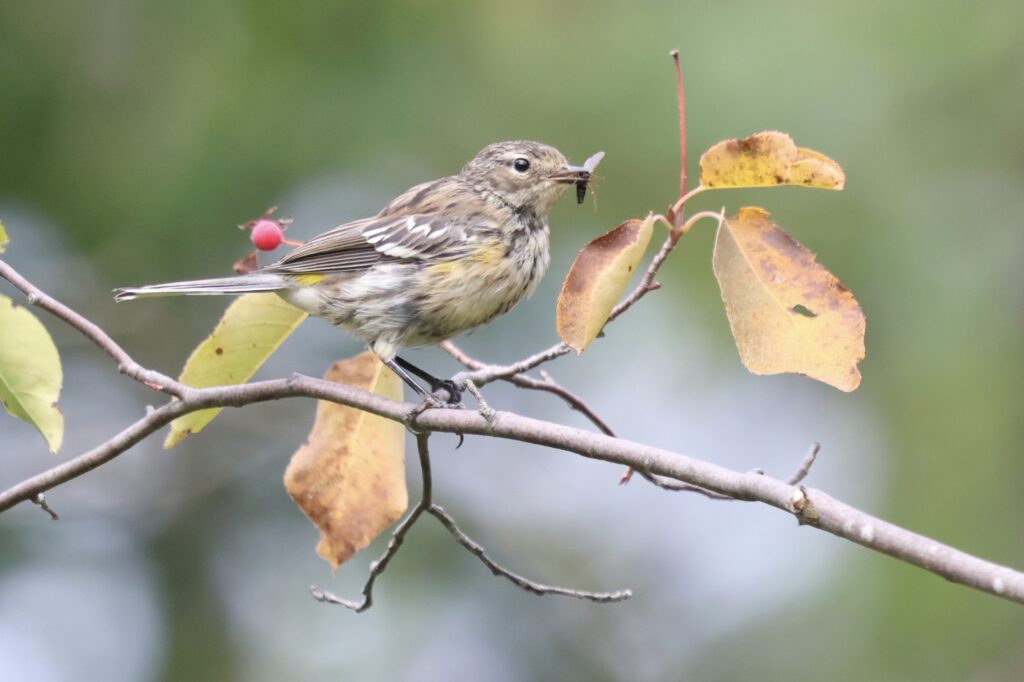
Yellow-rumped Warbler. Photo by Oliver Kew
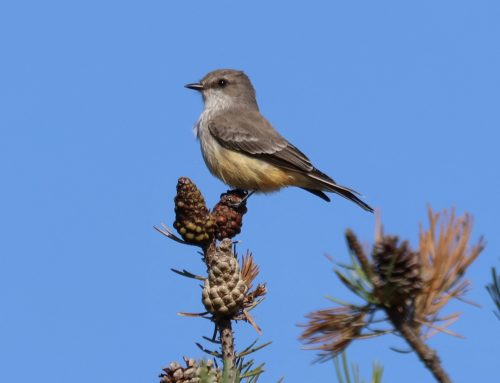
Flycatchers offered great diversity with 7 species recorded. The dense shrubs around the parking lot are excellent habitat for Alder and Least Flycatcher. Migrant Olive-sided and Yellow-bellied Flycatchers are found in the woods. Sadly, Great Crested and Willow Flycatcher do not breed north of the UP. Fall sightings of these two species at Whitefish Point are rare.
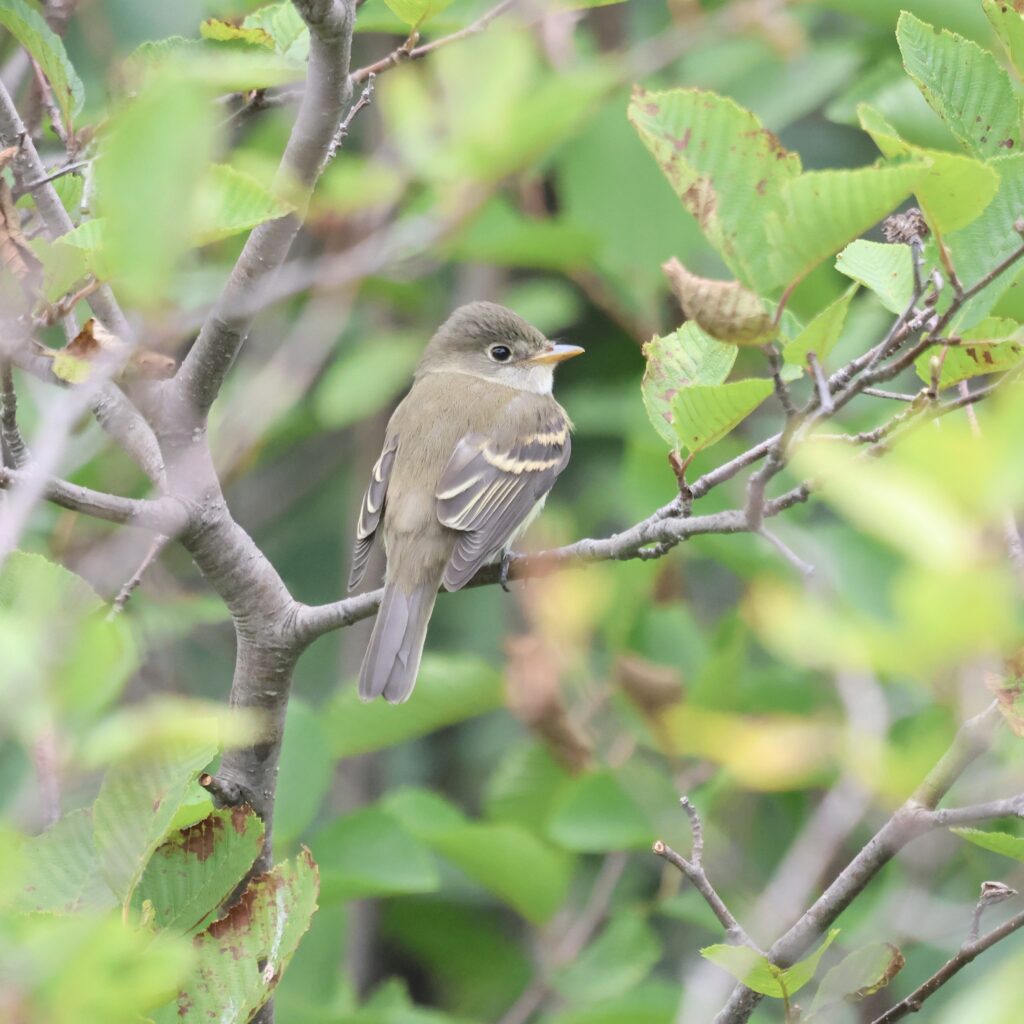
Alder Flycatcher. Photo by Oliver Kew
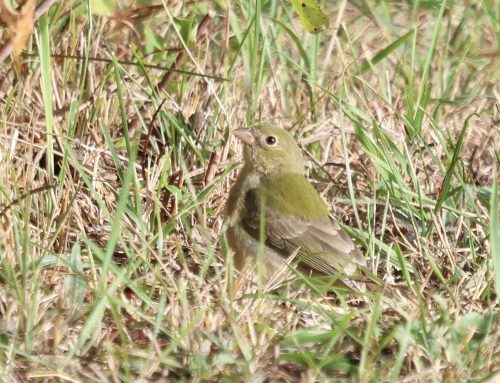
The bulk of migrant sparrows in late August are Chipping Sparrows. Groups move quickly around the Jack Pines. A Clay-colored Sparrow was found on 08/22, foraging alongside a large flock of Chipping Sparrows.
Notable sightings from this week include an immature Yellow-headed Blackbird, present on 08/19 and 08/20. A flyover Dickcissel was also recorded on 08/19. Both species range further west and are uncommon at the point. Great pickups for the season!
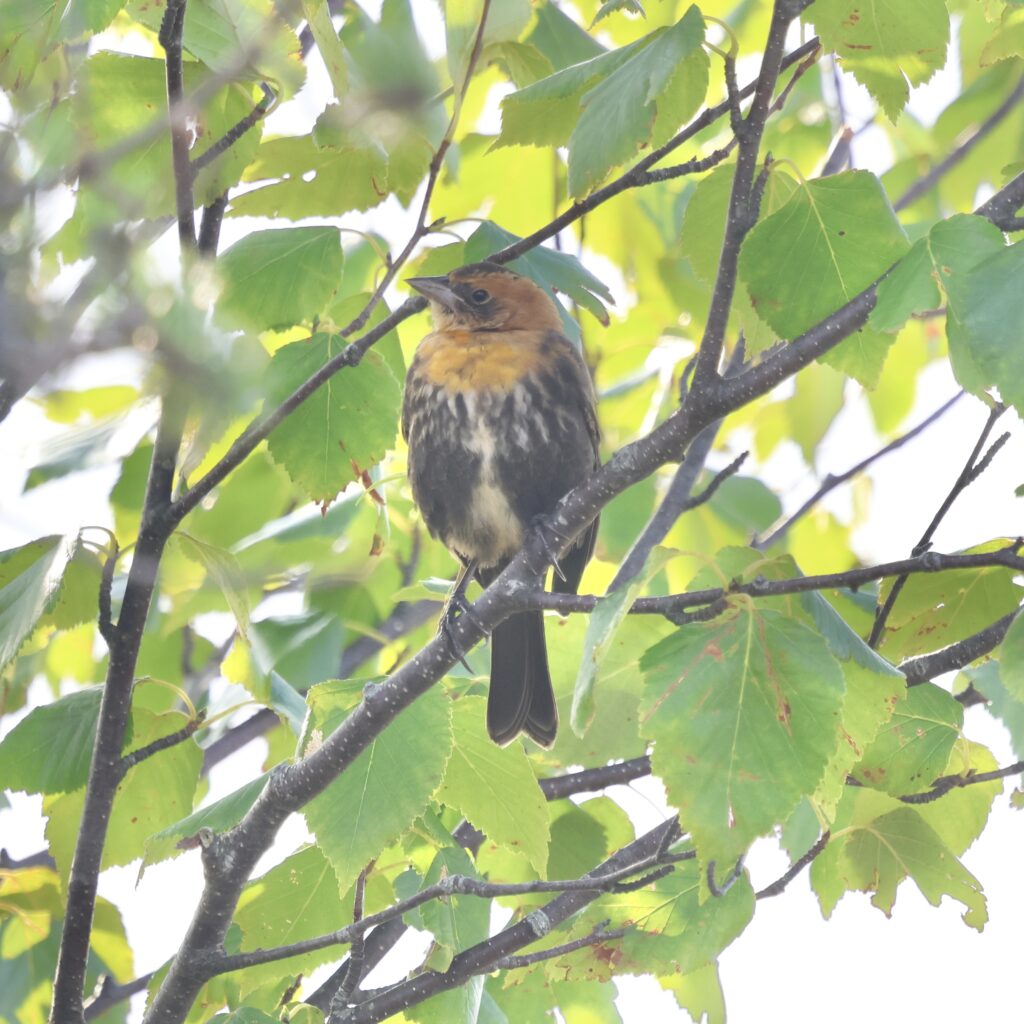
Yellow-headed Blackbird. Photo by Oliver Kew
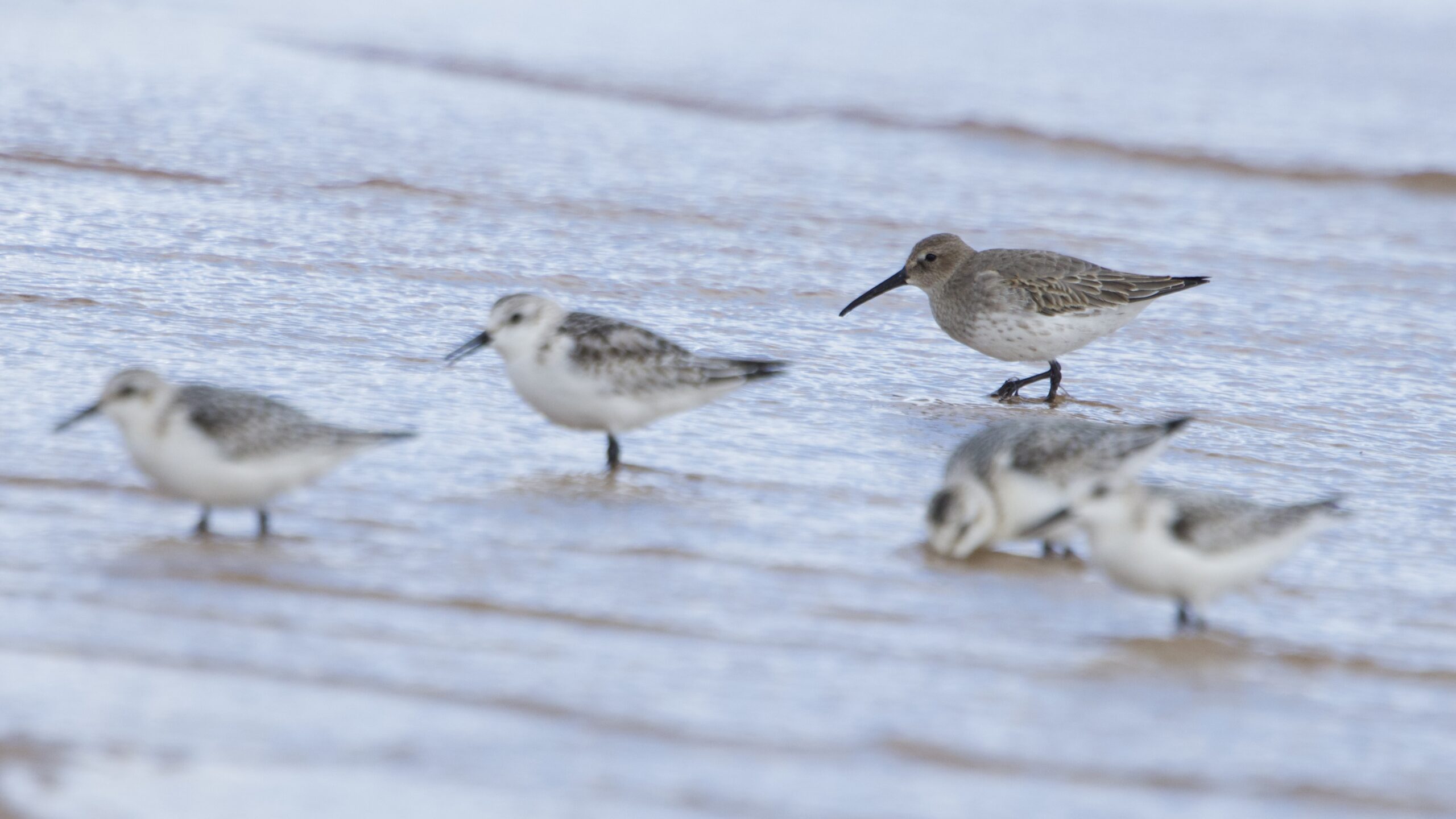
The hawkwatch at Whitefish Point is conducted in spring only. Raptors are reluctant to cross large bodies of water. Fall migrants travel around Lake Superior to get south. During calm winds, small kettles of Broad-winged Hawks occasionally make their way up to the point. Local Bald Eagles, Northern Harriers and Merlin have been observed regularly.
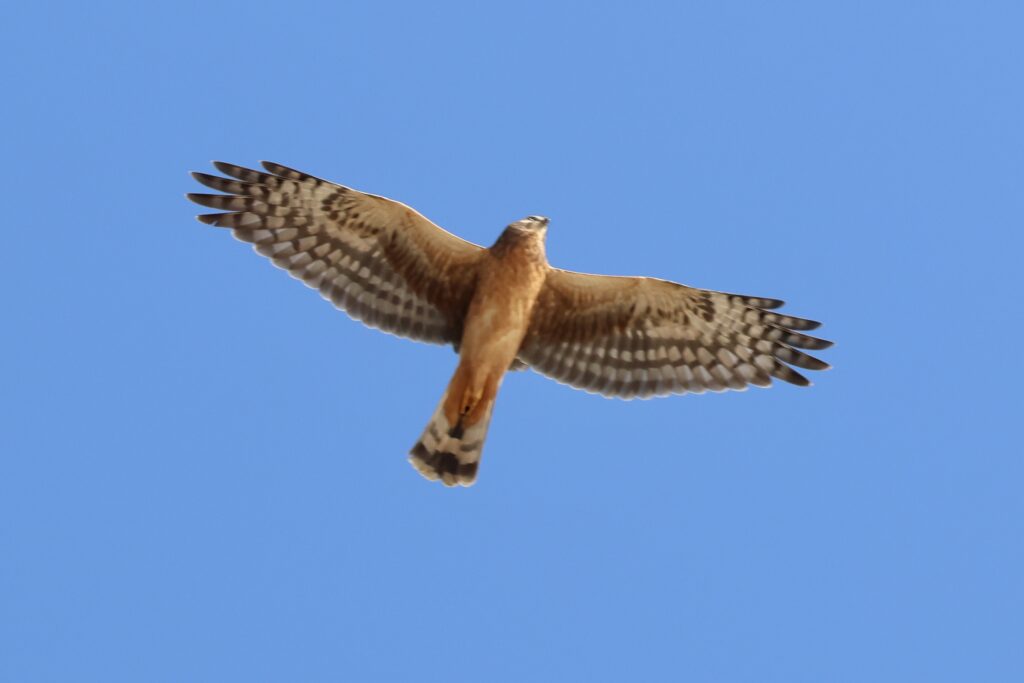
Northern Harrier. Photo by Oliver Kew
Harvests of wild blueberries are well underway in the UP. The Wild Blueberry Festival was held last weekend in Paradise, MI. Nature’s bounty provides a healthy snack along the trails! Serviceberry trees are the preferred food source here for most birds.
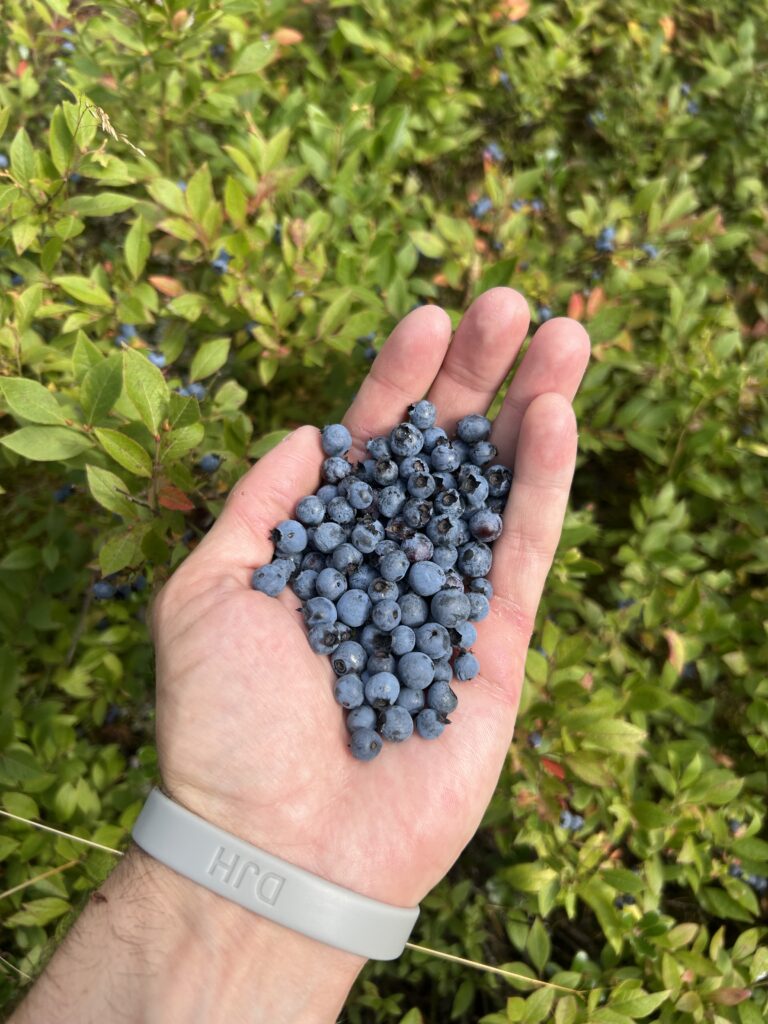
Wild blueberries. Photo by Oliver Kew
Oliver Kew, Fall Field Ornithologist
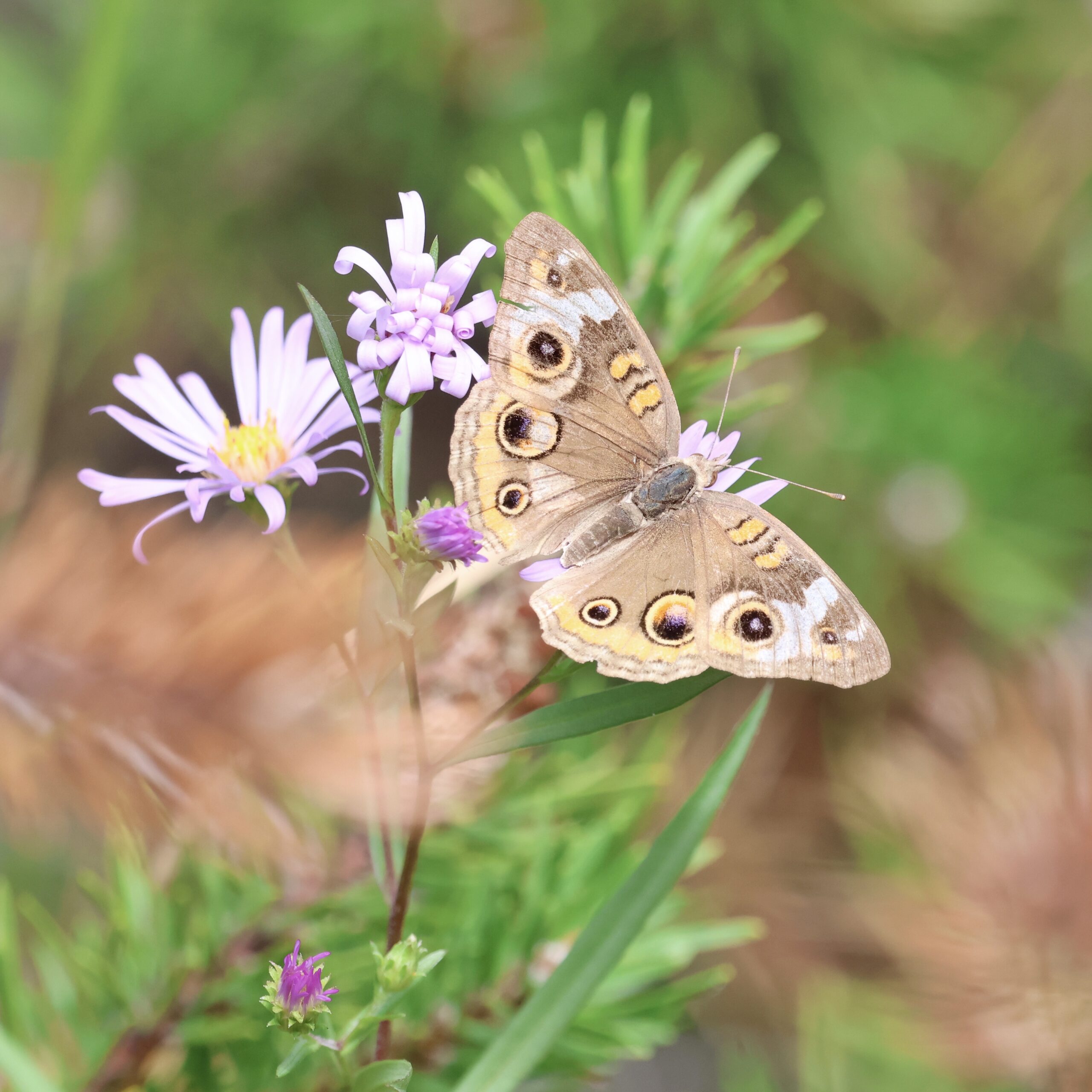
Featured Photo: Common Buckeye by O. Kew
Track the morning flight counts on Trektellen.
Keep up with the 2026 Fall Field Ornithologist’s weekly blog posts and follow WPBO’s social media (Facebook, Instagram, and X).
Join Oliver for one of his WPBO Migratory Bird Walks offered every weekend through November 15. Learn more at https://wpbo.org/wpbobirdwalks/.

Oliver Kew: 2026 Fall Field Ornithologist
Oliver is a passionate naturalist from Petoskey, Michigan. He worked for Mackinac Straits Raptor Watch as a waterbird counter for seven seasons. Oliver graduated from Michigan State University in 2017 with a B.S. in Zoo & Aquarium Science. His previous roles include working as an Animal Husbandry Technician and Zookeeper Aide, where he helped maintain large collections of exotic birds and reptiles. Originally from Coventry, England, Oliver developed an immense appreciation for the natural world through his family of foresters. He loves exploring the shorelines of northern Michigan in pursuit of exciting and unexpected birding experiences and is honored to help convey the importance of Whitefish Point as a migration pathway. When he is not birdwatching, Oliver enjoys playing disc golf, looking for insects and plants, and spending time with his two cats.