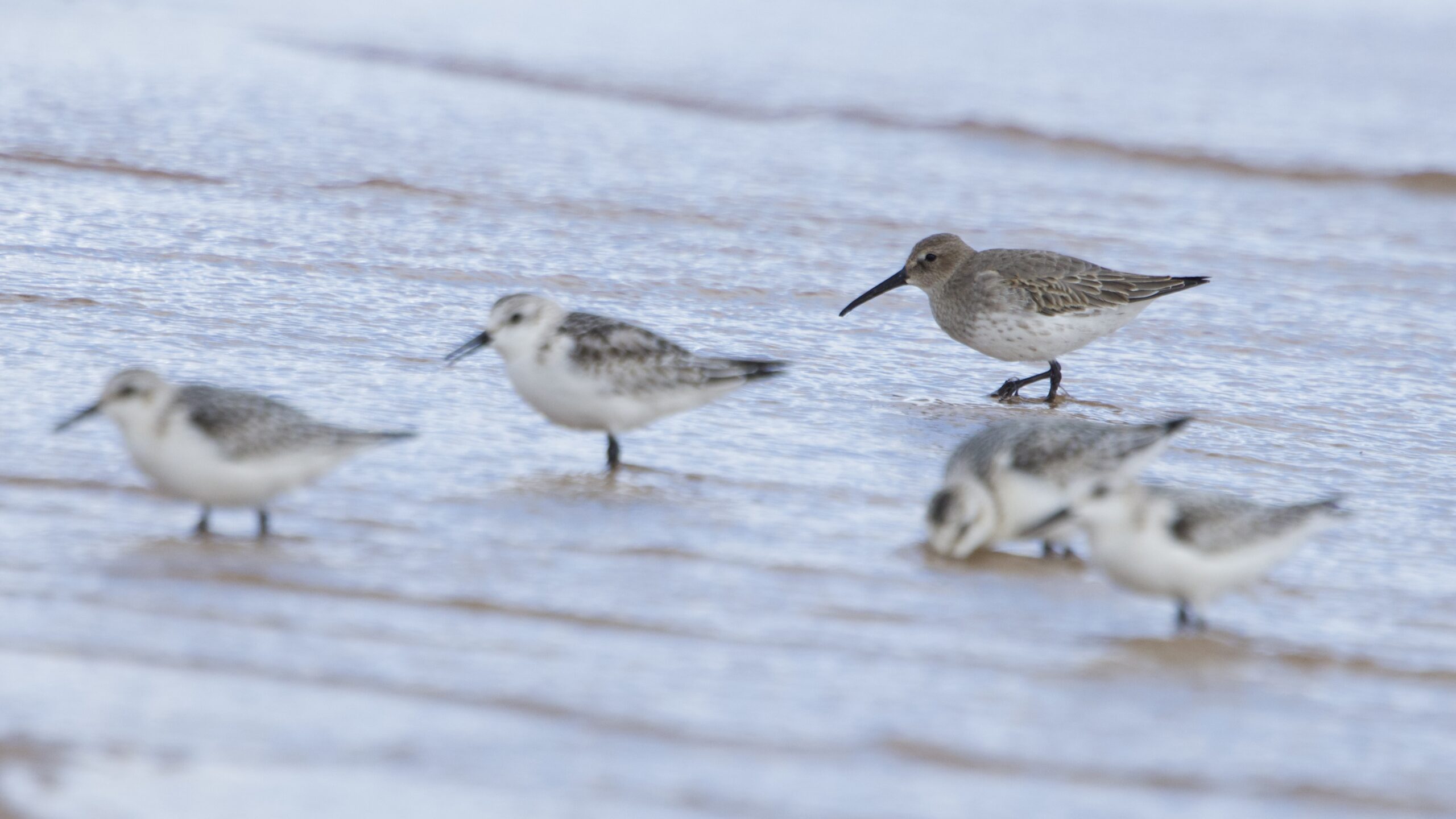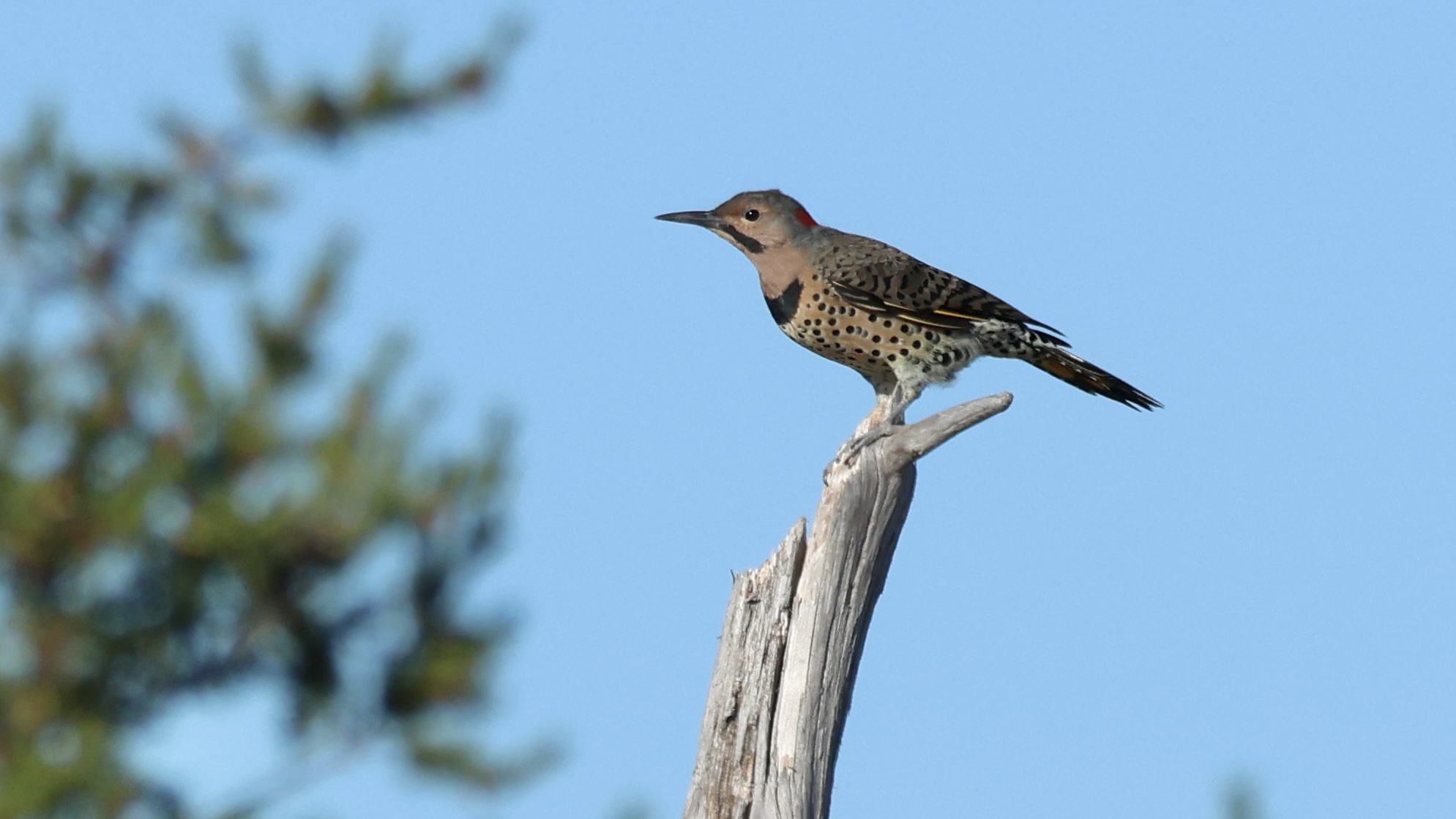
This week was fairly quiet for passerine migration, marred by a continuous stream of south and east winds. Calm westerly winds and clear skies on the 16th and 17th produced the vast majority of movement.
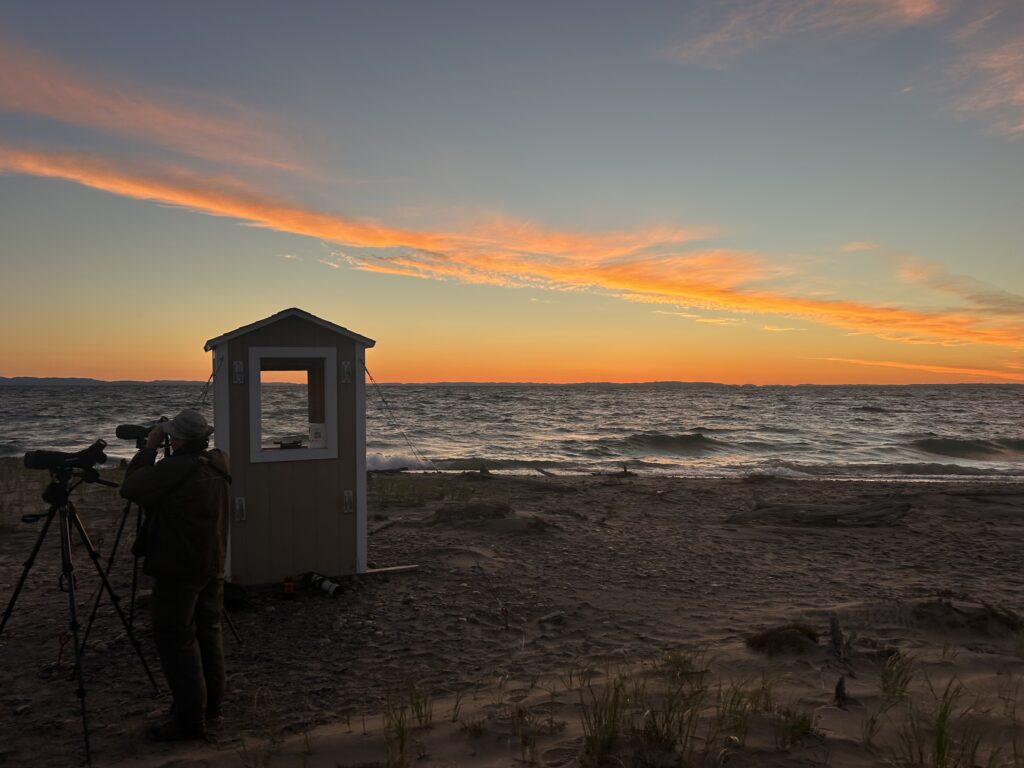
Waterbird Station. Photo by Oliver Kew
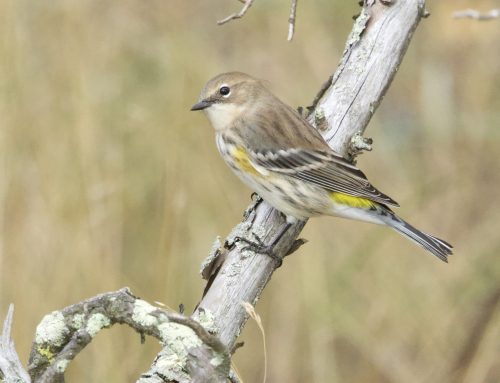
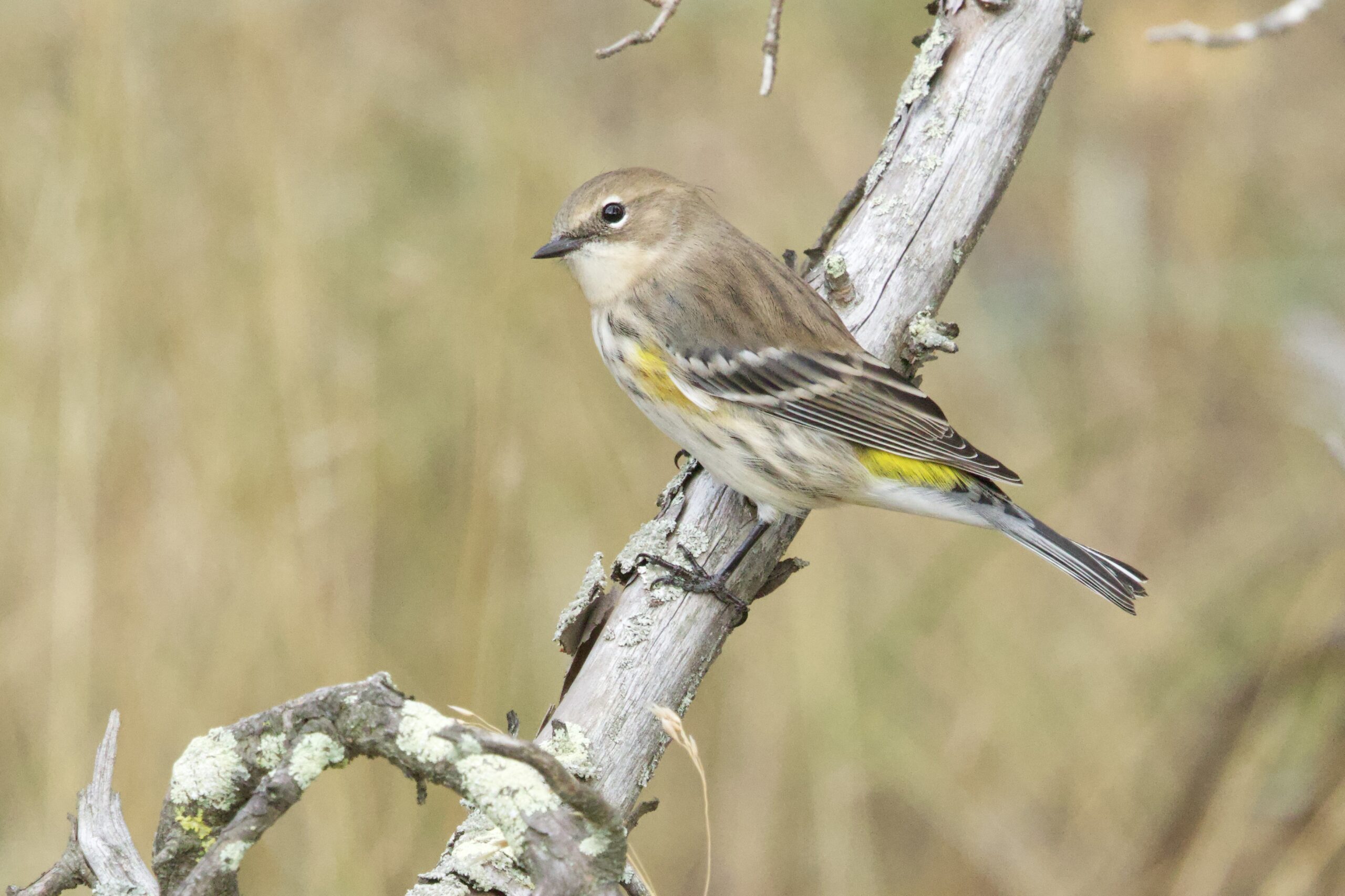
Sadly, the tail end of warbler migration has arrived. Diversity has fallen off a cliff. Days of double digit warbler species are long behind us. Yellow-rumped and Palm Warblers remain the dominant species. Northern Parula and Orange-crowned Warbler have become slightly more regular. A high count of three Orange-crowned Warblers was recorded from the woods on 9/22.
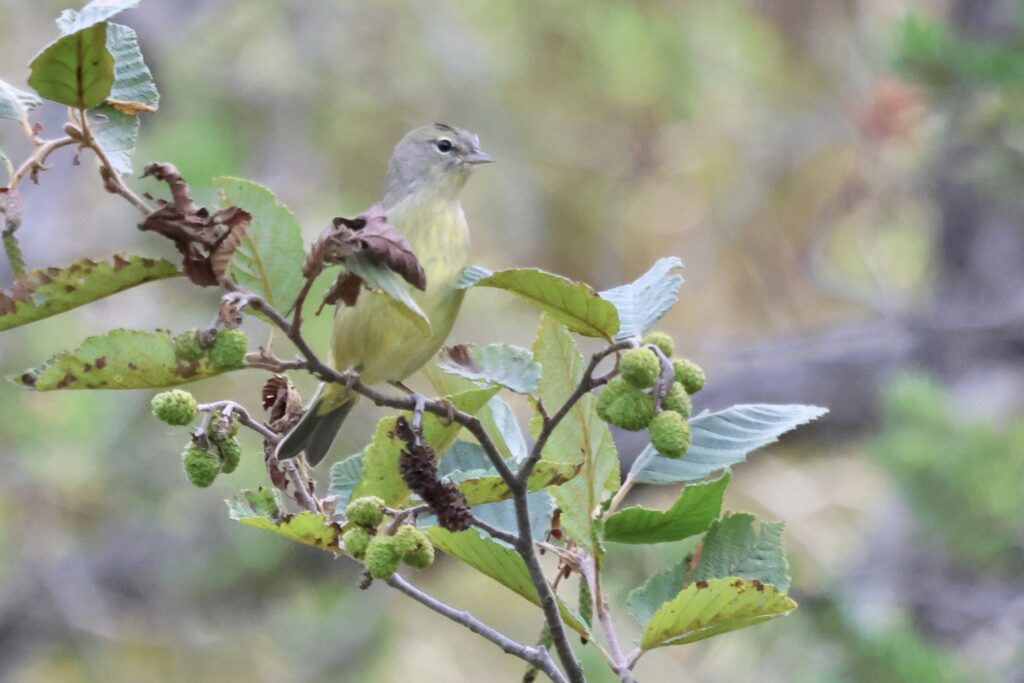
Orange-crowned Warbler. Photo by Oliver Kew
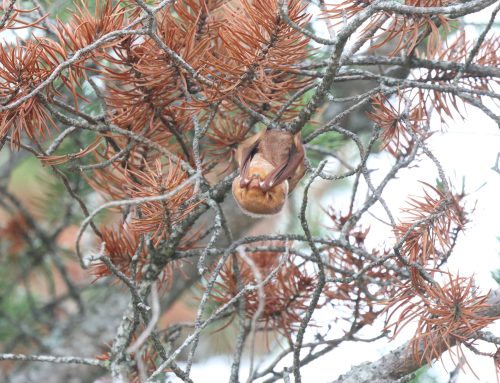
Flocks of Red Crossbills have become less consistent. A weekly high of 69 was tallied on 9/16. Although numbers have dwindled, certain “types” have increased in frequency. We have now recorded up to five different confirmed Red Crossbill “types”. This includes 10s, 12s, and 1s after a notably early fall push of 2s and 4s.
Peak American Robin and Cedar Waxwing migration appears to have passed. Pine Siskin was the most abundant passerine observed this week. Flocks of Blue Jays and Dark-eyed Junco are slowly on the rise in numbers.
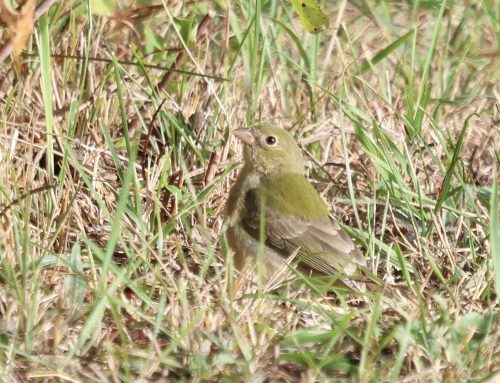
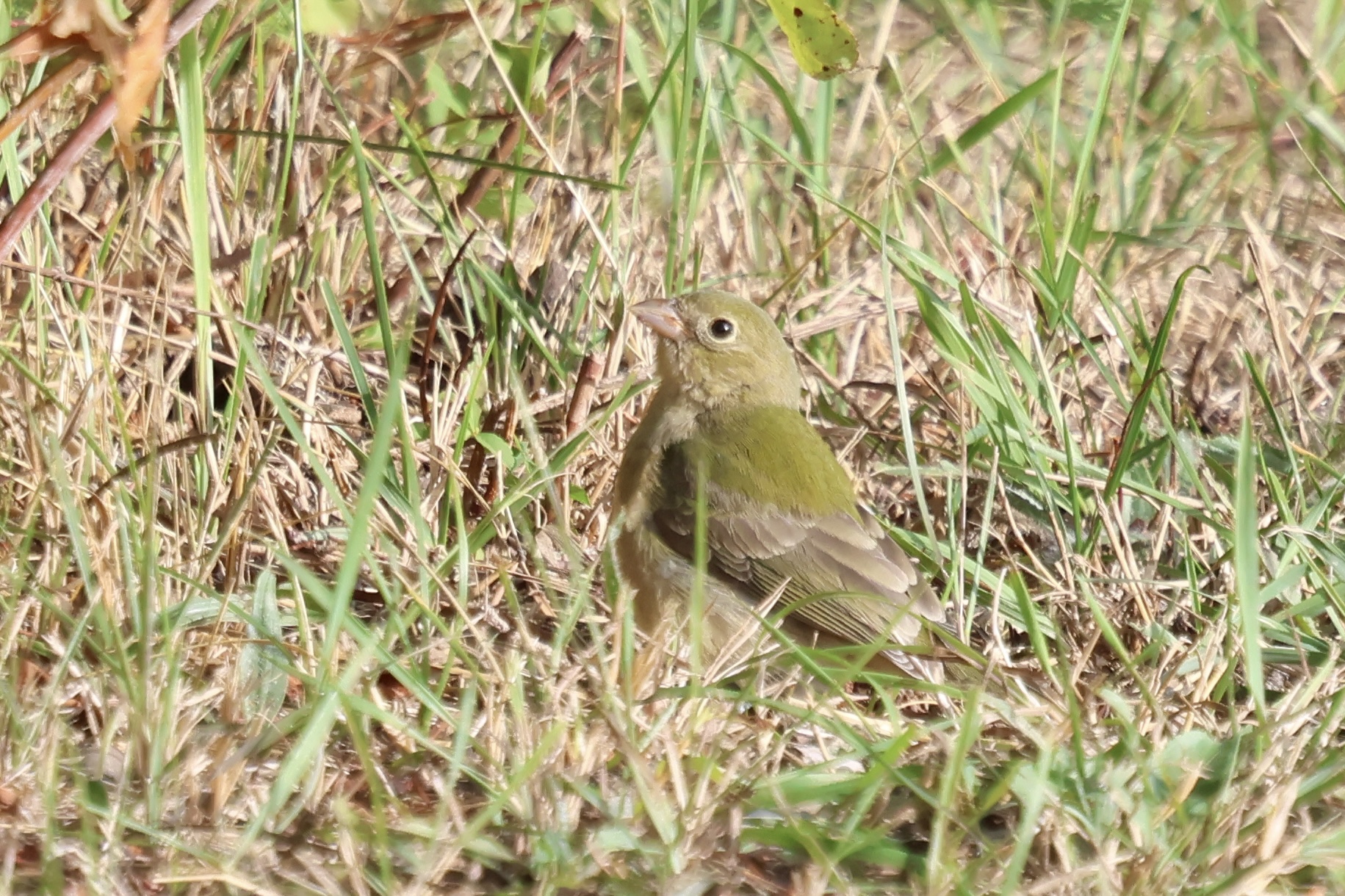
The fourth point record female Painted Bunting from last week continued an extra two days. This marks the longest staying individual for the point. The bunting spent much of its time foraging the new natural restoration area near the lighthouse.
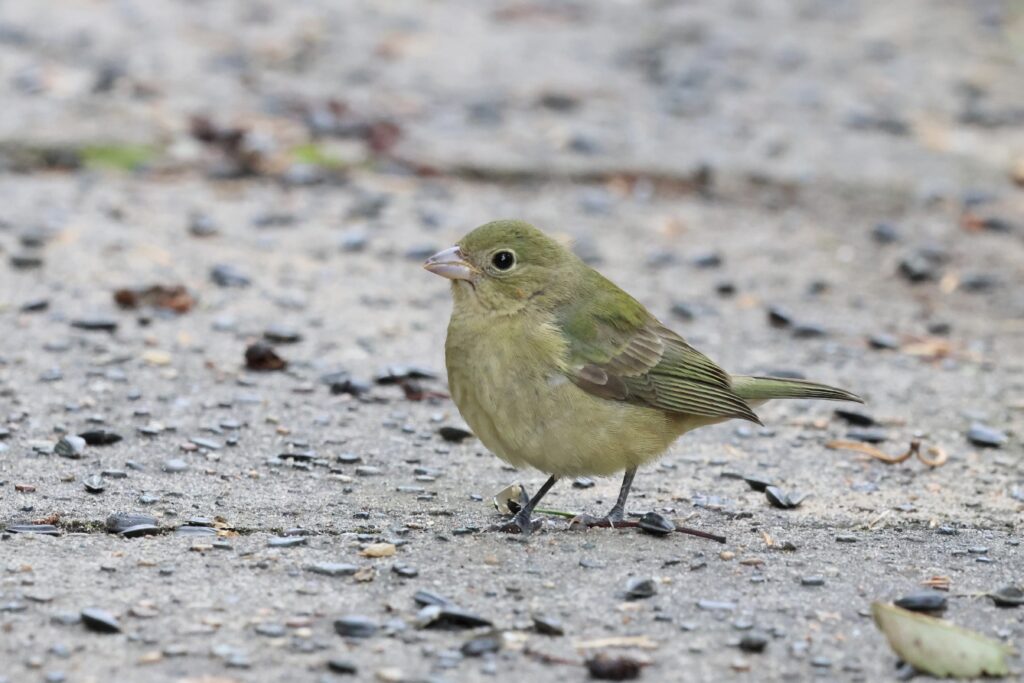
Painted Bunting. Photo by Oliver Kew
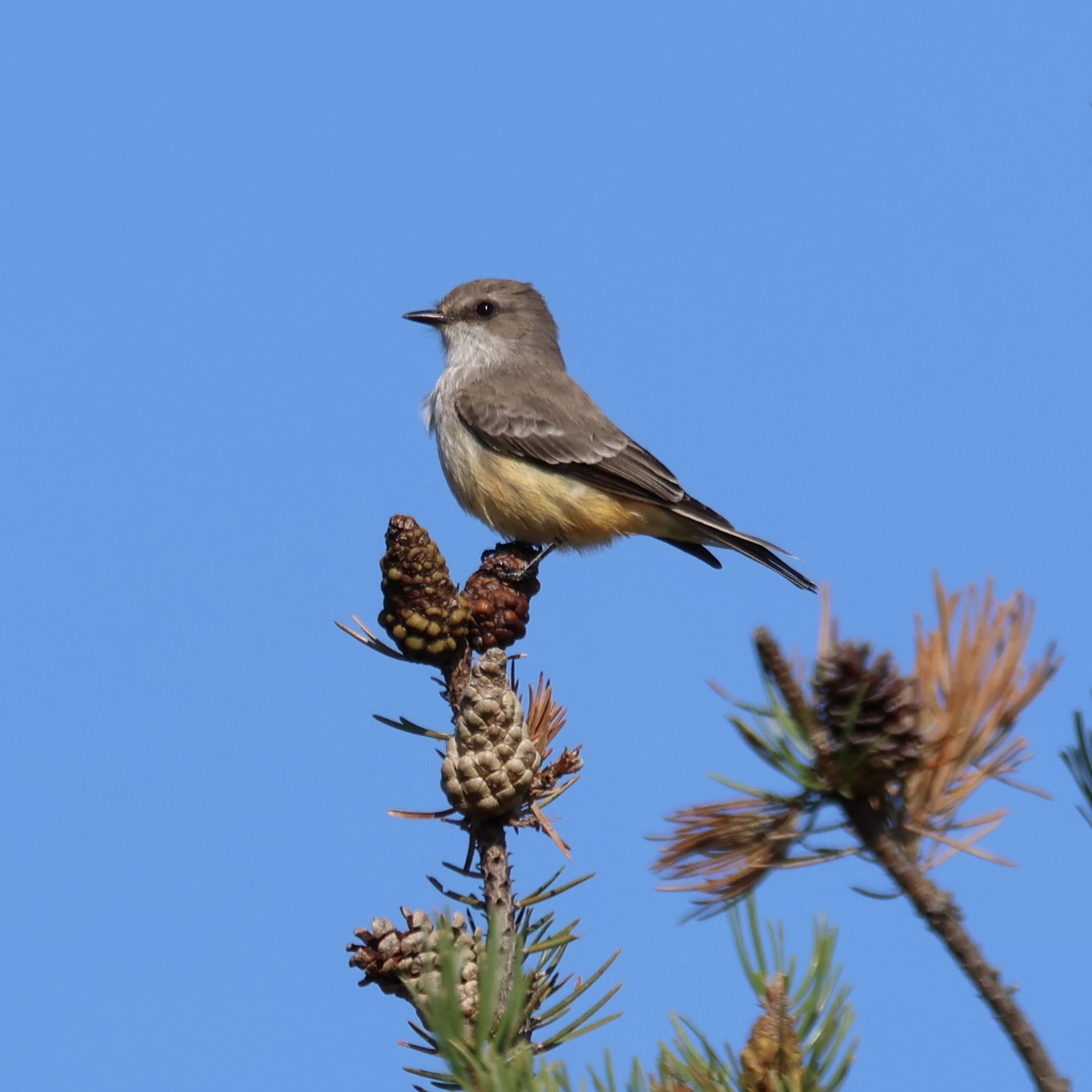
The excitement continued at the waterbird count the very next day with the second point record of Vermilion Flycatcher! This southwestern vagrant spent the day sallying for insects from Jackpines near “the tip”.
This has been a fantastic week for Black-backed Woodpeckers! All signs point to a banner year for migrants in the UP. We are already up to 10 counted during the fall morning flight. Southward irruptions of Black-backed Woodpeckers are rare, triggered by a collapse in wood-boring insects. We are hopeful that this movement will produce a Three-toed Woodpecker for the point, a far more rare species for Michigan. Ready your eyes and ears for your next visit as these skulky woodpeckers can be a challenge to locate!
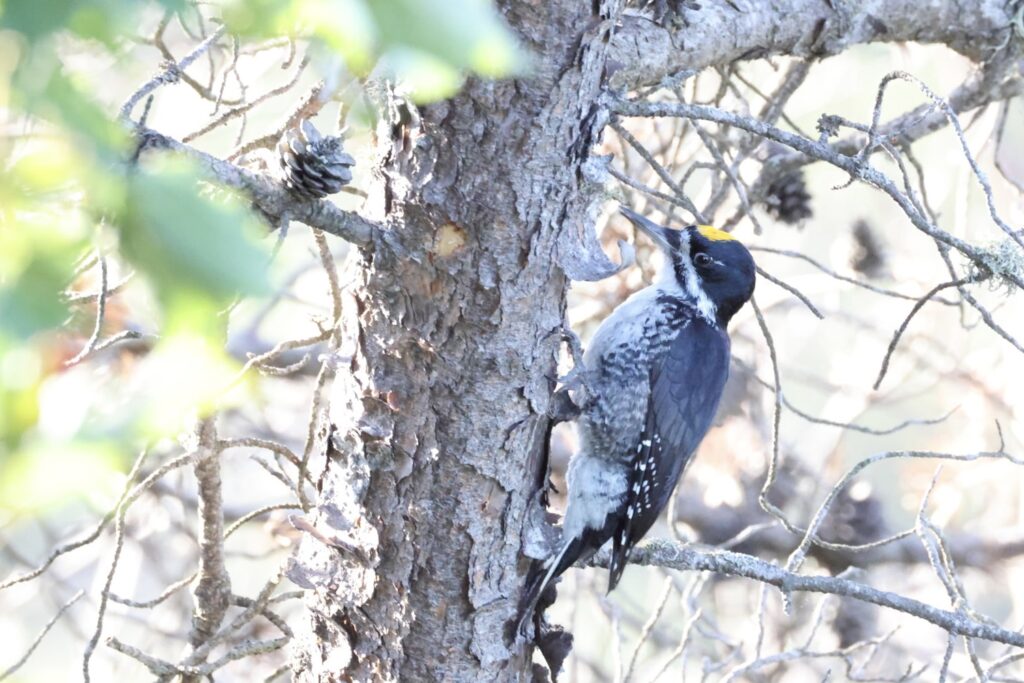
Black-backed Woodpecker. Photo by Nolan Williams
Other notable sightings from the woods include a Great-crested Flycatcher, present on 9/21 and 9/22, flycatching in a small cranberry bog. An immature Rose-breasted Grosbeak was found along walking trails on 9/22.
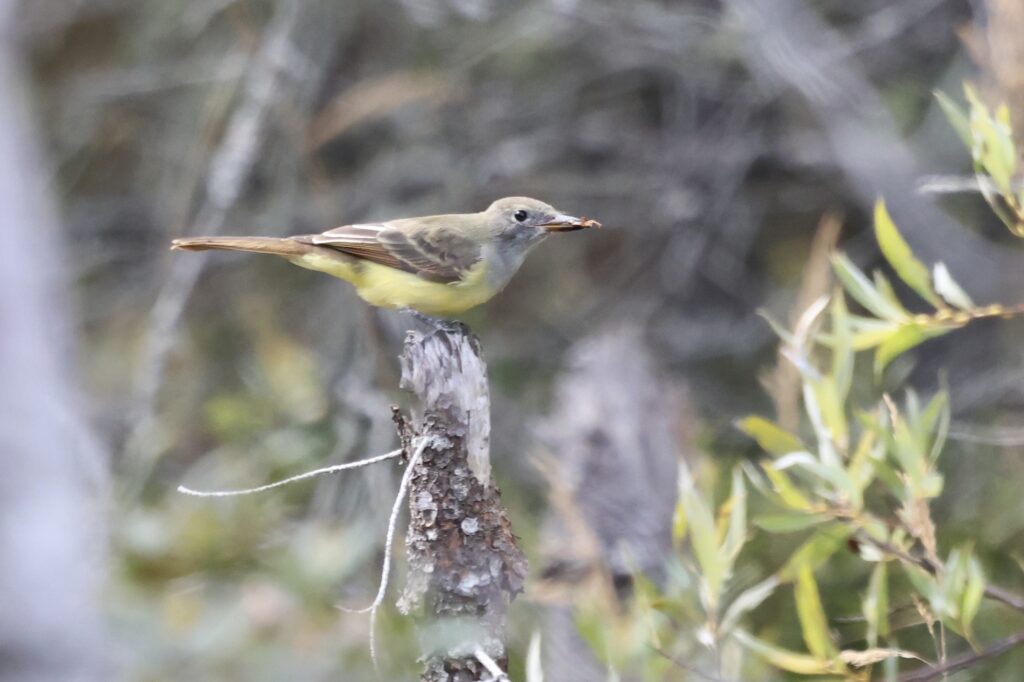
Great-crested Flycatcher. Photo by Oliver Kew
Eyes up! Although most duck migration takes place far out on open water, loons in flight often take a shortcut by venturing above the peninsula. Some, like this breeding-plumage Red-throated Loon, often fly directly over the boardwalk!
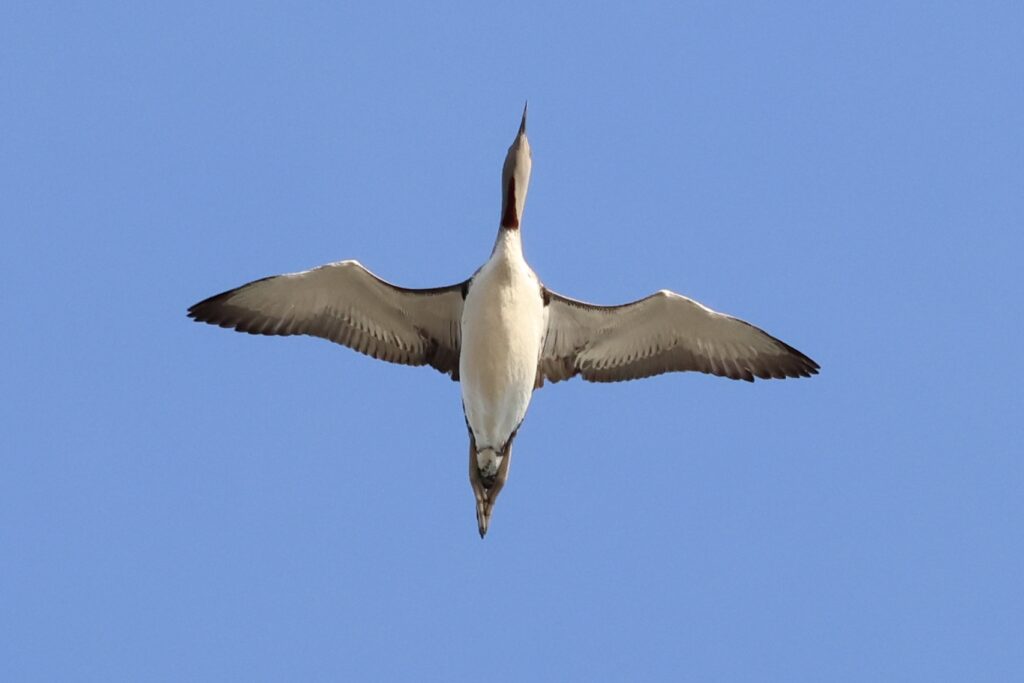
Red-throated Loon. Photo by Oliver Kew
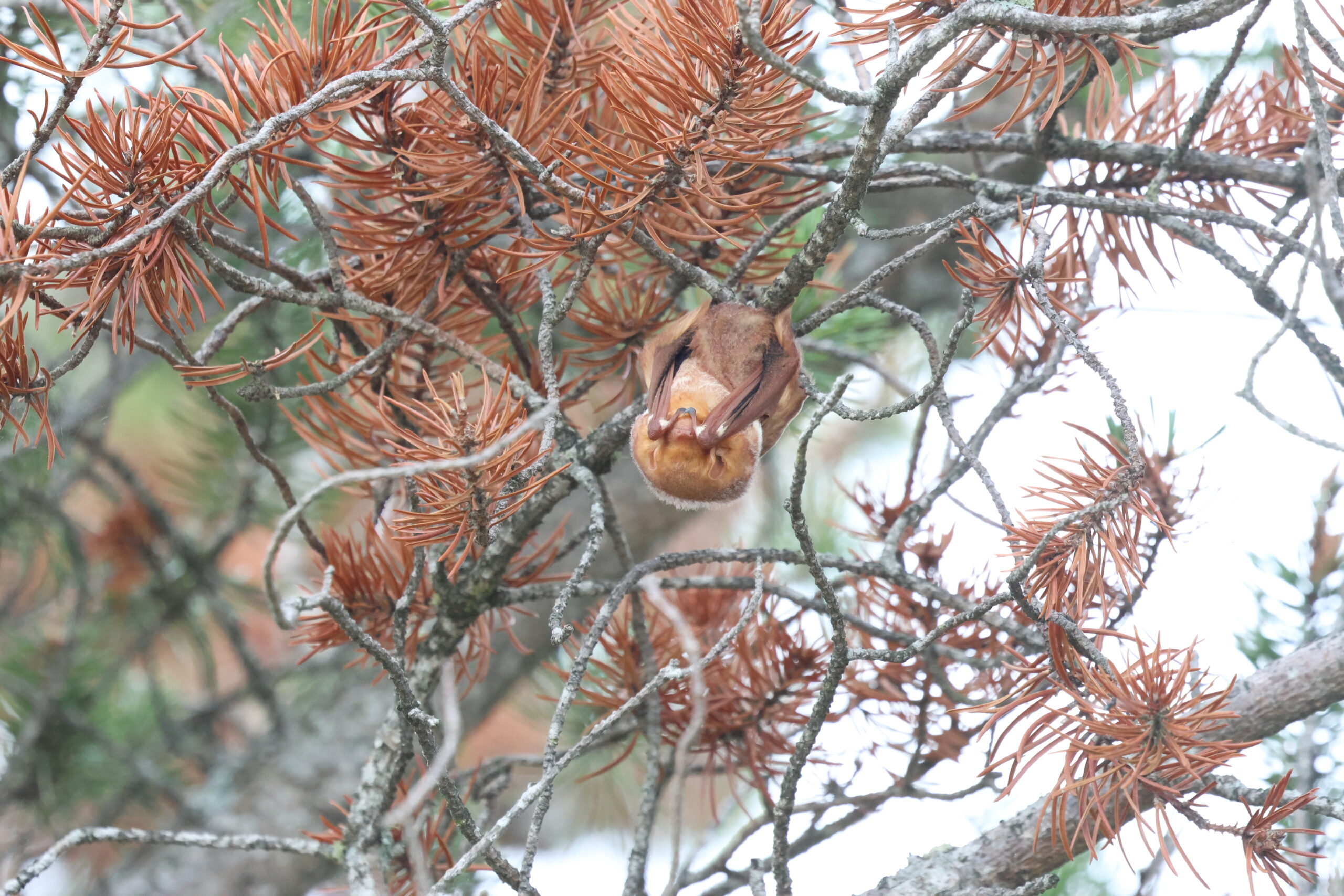
Michigan’s Upper Peninsula has a sizable bear population. Whiteish Point is no exception. Bear tracks have been found consistently in the woods. Bears are most active at dawn and dusk. Fingers crossed that our bird feeders remain unharmed this fall season!
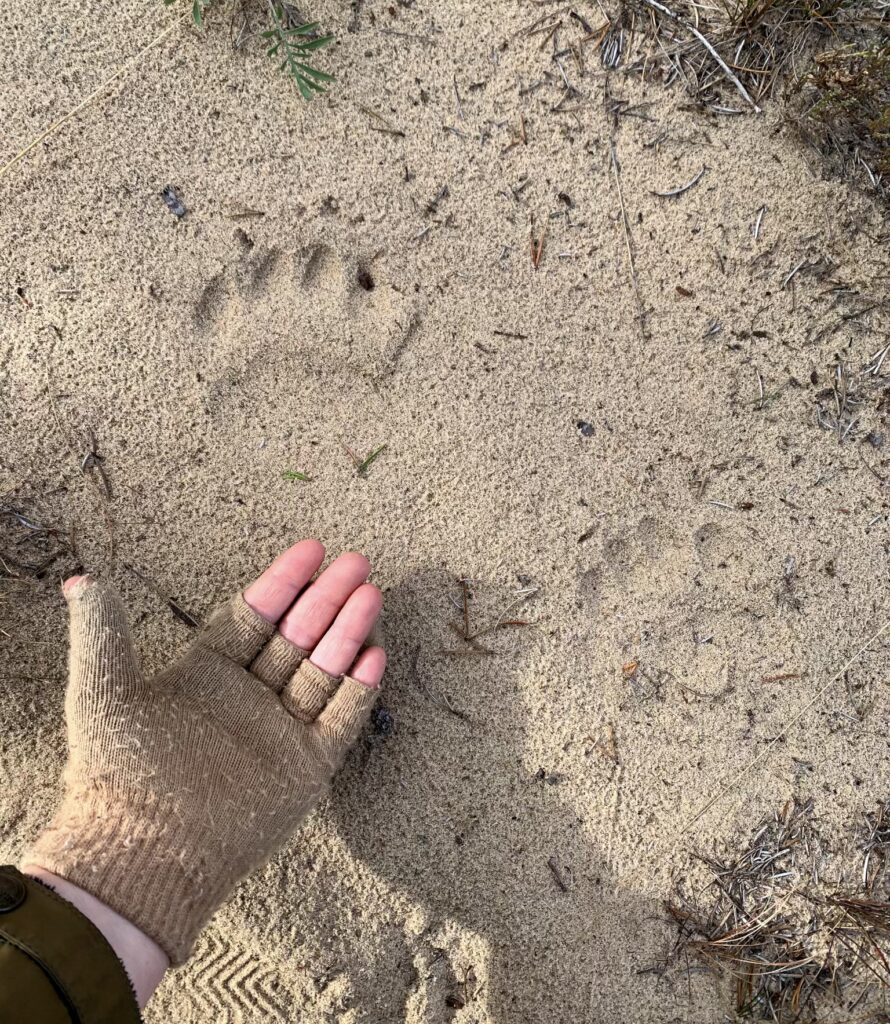
Bear Tracks. Photo by Lizzie Bellich
Oliver Kew. Fall Field Ornithologist
Featured Photo: Vermilion Flycatcher by O. Kew
Track the morning flight counts on Trektellen.
Keep up with the 2026 Fall Field Ornithologist’s weekly blog posts and follow WPBO’s social media (Facebook, Instagram, and X).
Join Oliver for one of his WPBO Migratory Bird Walks offered every weekend through November 15. Learn more: wpbo.org/wpbobirdwalks/

Oliver Kew: 2026 Fall Field Ornithologist
Oliver is a passionate naturalist from Petoskey, Michigan. He worked for Mackinac Straits Raptor Watch as a waterbird counter for seven seasons. Oliver graduated from Michigan State University in 2017 with a B.S. in Zoo & Aquarium Science. His previous roles include working as an Animal Husbandry Technician and Zookeeper Aide, where he helped maintain large collections of exotic birds and reptiles. Originally from Coventry, England, Oliver developed an immense appreciation for the natural world through his family of foresters. He loves exploring the shorelines of northern Michigan in pursuit of exciting and unexpected birding experiences and is honored to help convey the importance of Whitefish Point as a migration pathway. When he is not birdwatching, Oliver enjoys playing disc golf, looking for insects and plants, and spending time with his two cats.