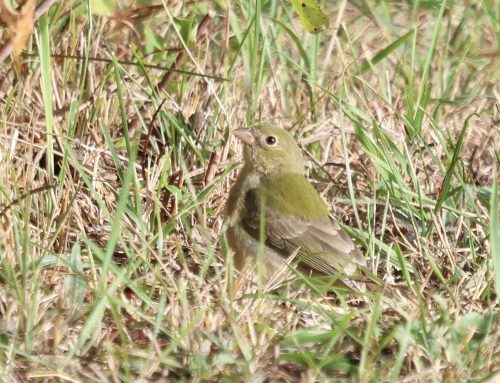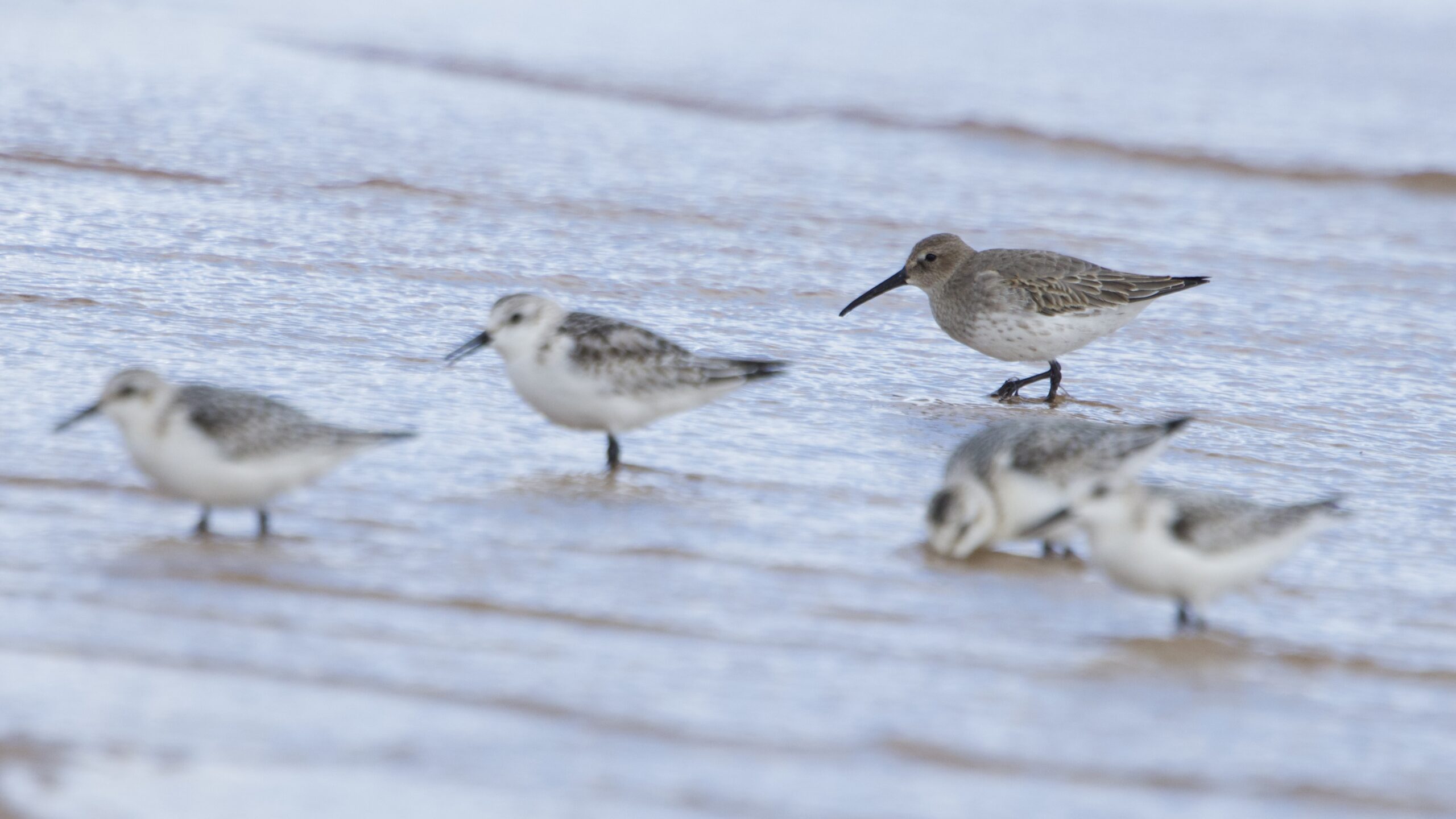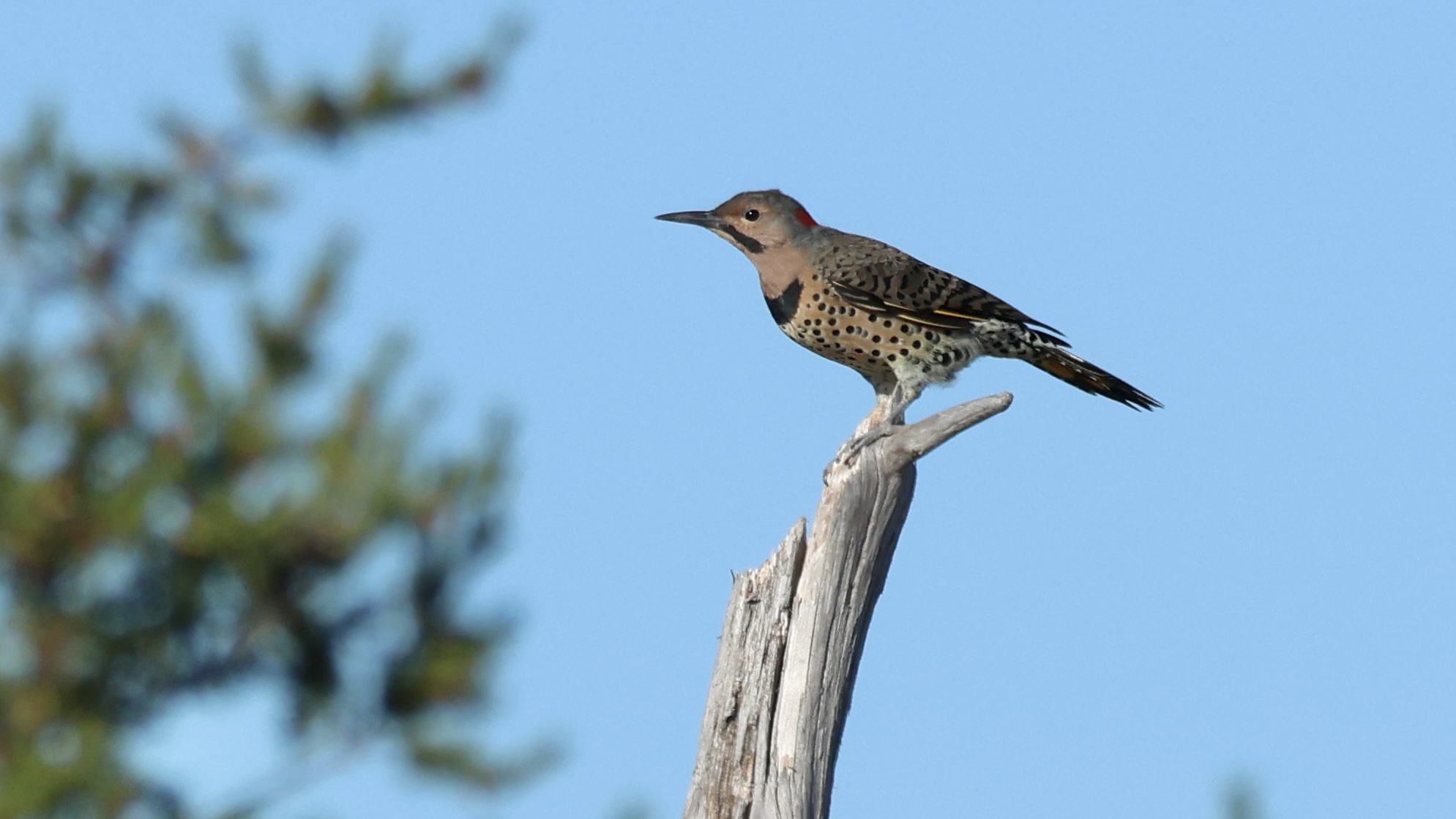
Consistent sunshine and calm southeast winds were the norm for this first week September. These conditions are suboptimal for major fall movements. Warm temperatures largely put a hold on migration, particularly waterbirds. In the fall, cool northwest winds are the driving force of impressive migration events.
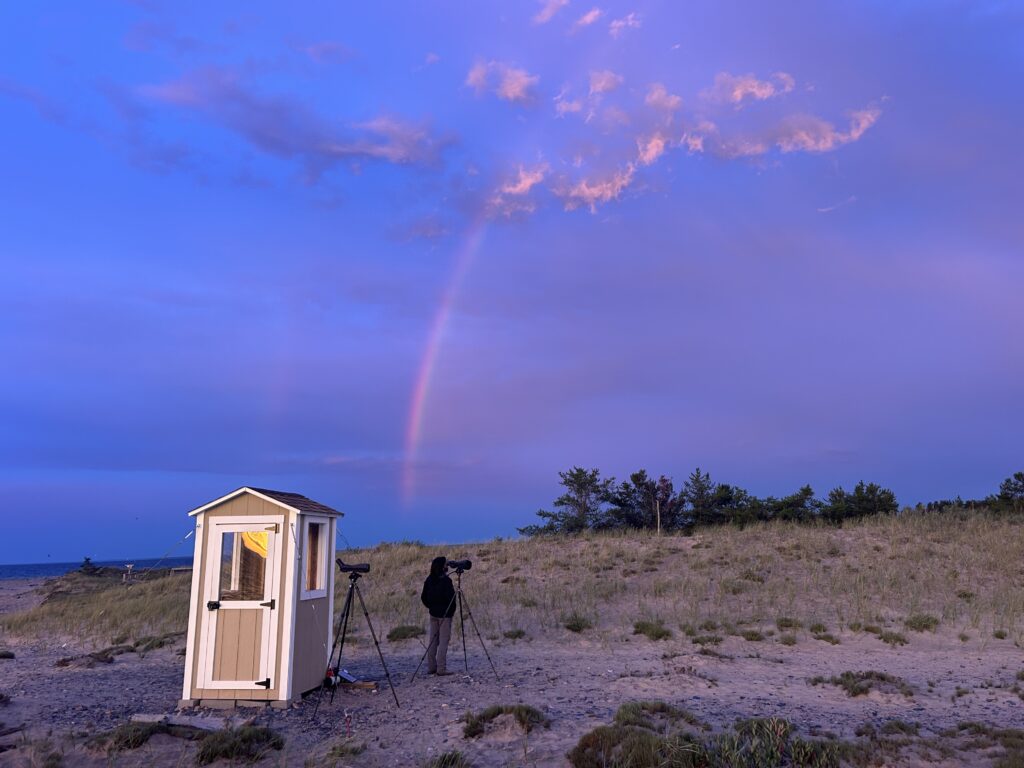
Waterbird Station pre-dawn. Photo by Oliver Kew
The morning flight count still recorded notable movements of certain songbirds. A large influx of American Robin and Cedar Waxwing provided the bulk of migrants. Early flocks of Red-breasted Nuthatch and Golden-crowned Kinglets have shown in strong numbers.
Red Crossbill flights were slightly reduced this week. A slowdown in daily movements is likely the result of poor conditions. Flight are still primarily Type 2 (Ponderosa Pine). Type 4 are also still moving. The new month has added another Red Crossbill type to the mix! Counts tallied numerous sightings of Type 12s (Northeastern). This is the expected type for Whitefish Point. Identifying Red Crossbill types is difficult on the fly! Make sure to try for some audio recordings as flock pass overhead.
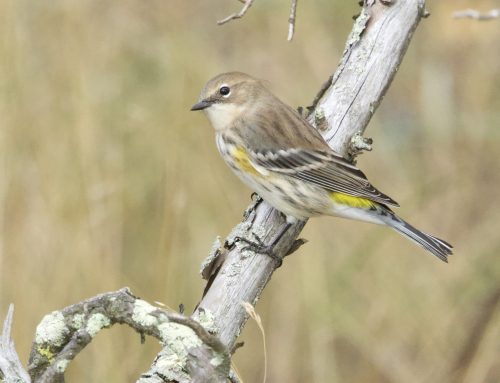
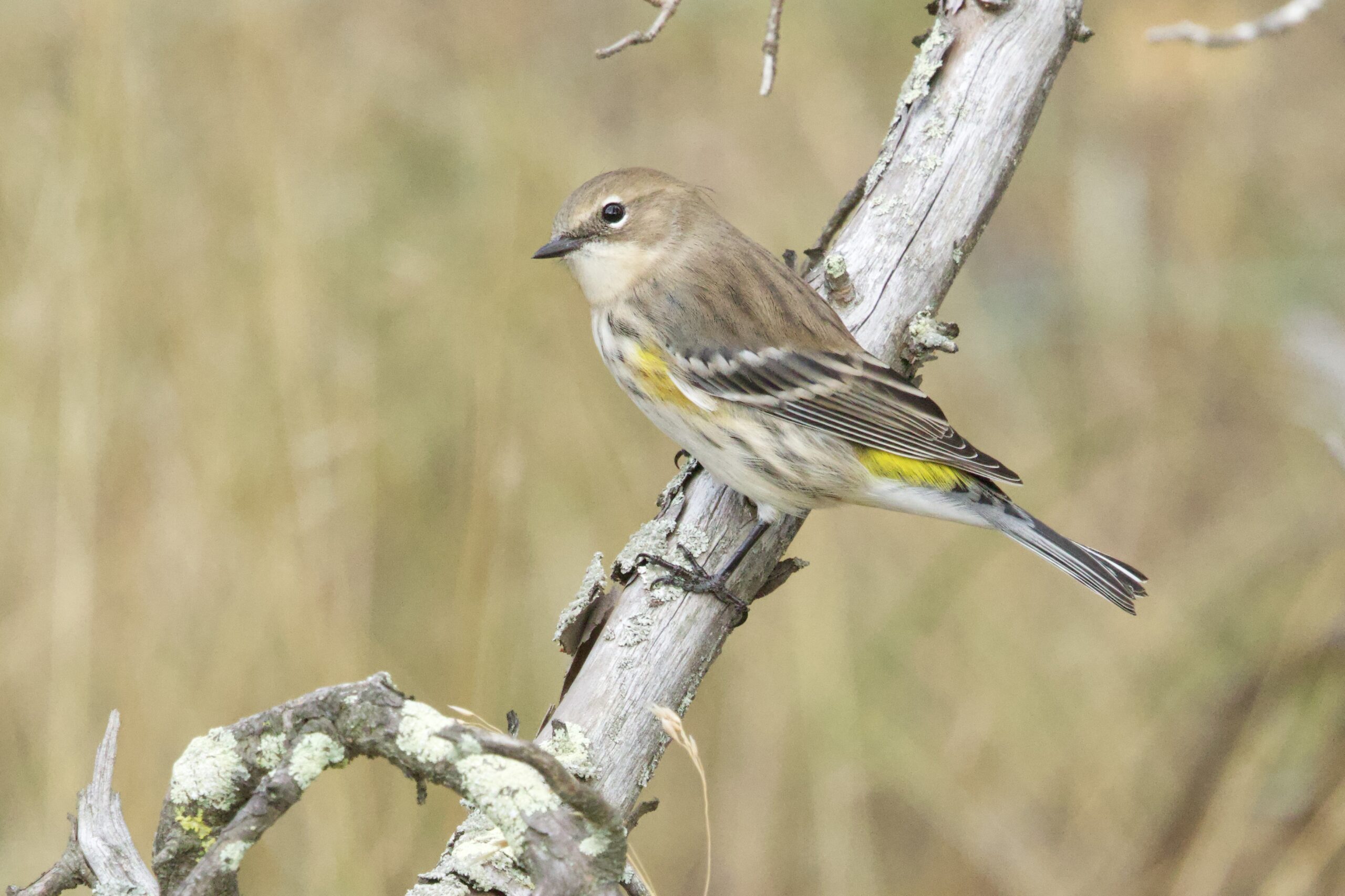
Yellow-rumped Warblers numbers become progressively more dominant in early fall. The woods have shown an increase in Northern Parula and Tennessee Warblers. Palm and Blackpoll Warblers are becoming more consistent. Sadly, no new warbler species were added to the count this week.
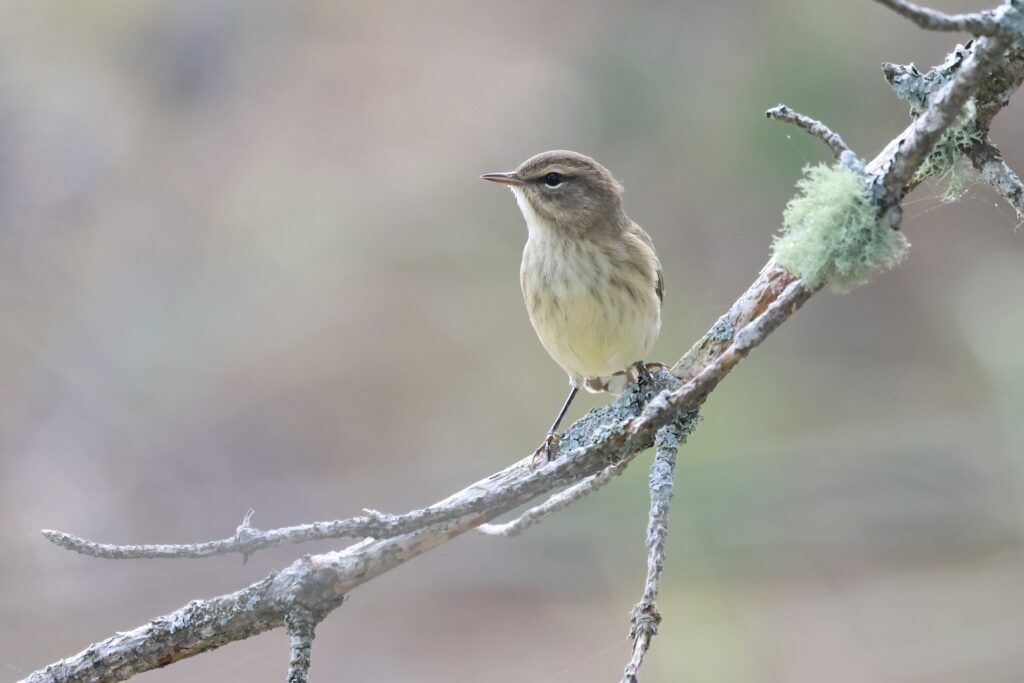
Palm Warbler. Photo by Oliver Kew.
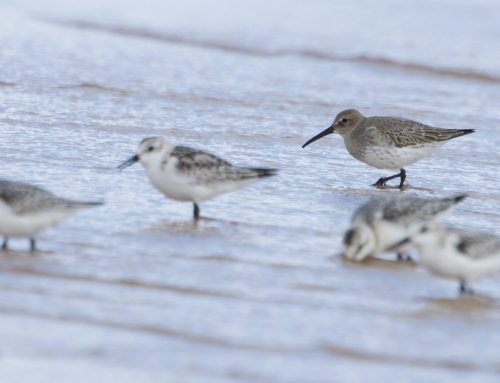
American Pipits are on the move! Sizable groups were already present on the beach within 24 hours of our first sightings on 09/03. Although impressively drab, pipits never provide a dull moment! Groups are enjoyable to observe chicken walk and tail bob in the short vegetation along the lakeshore.
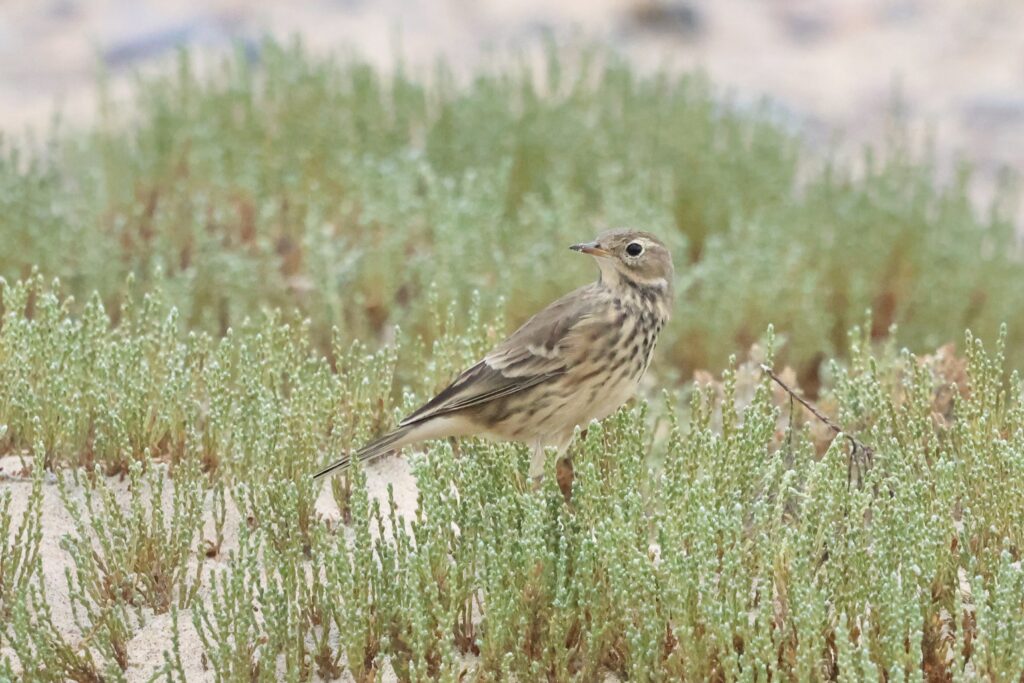
American Pipit. Photo by Oliver Kew
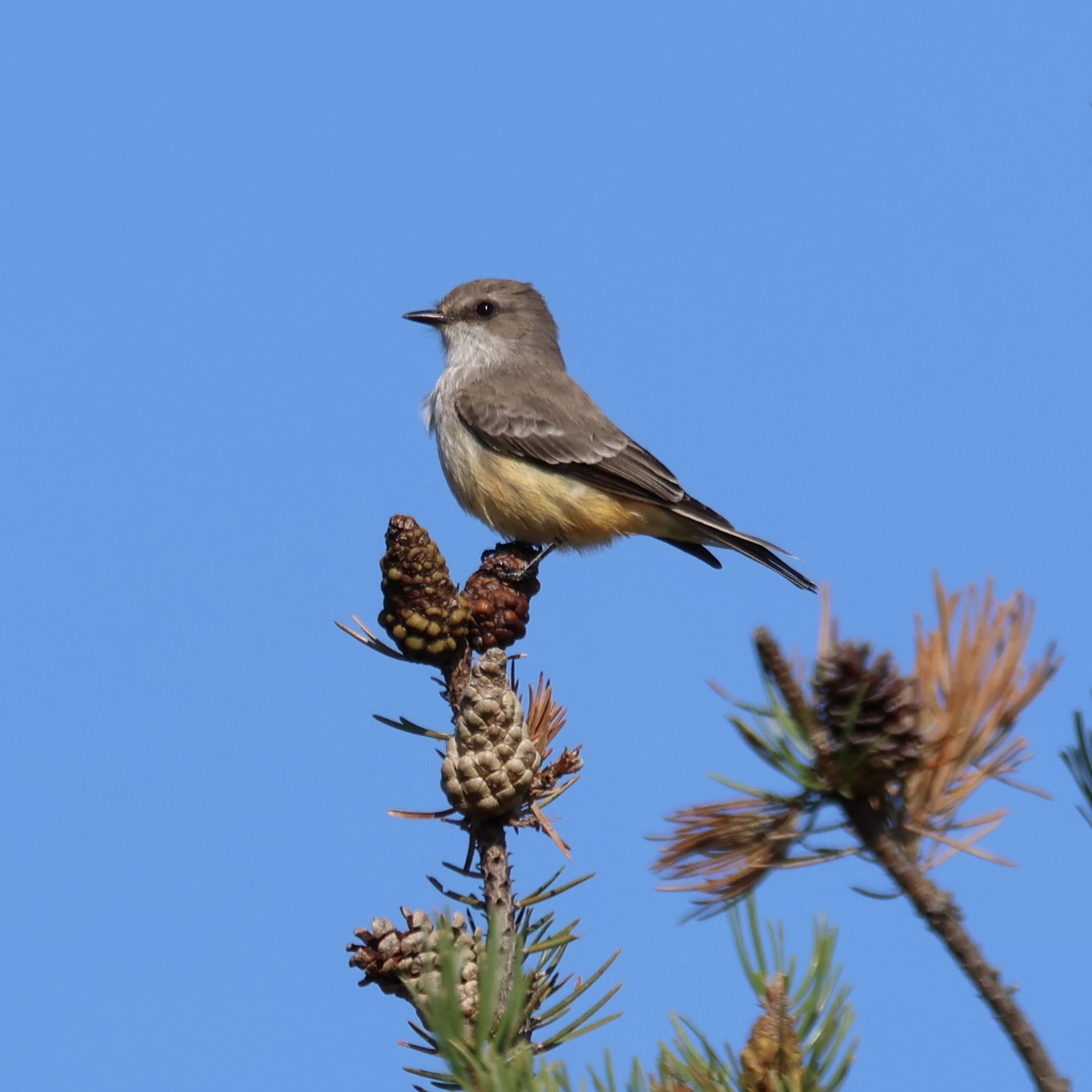
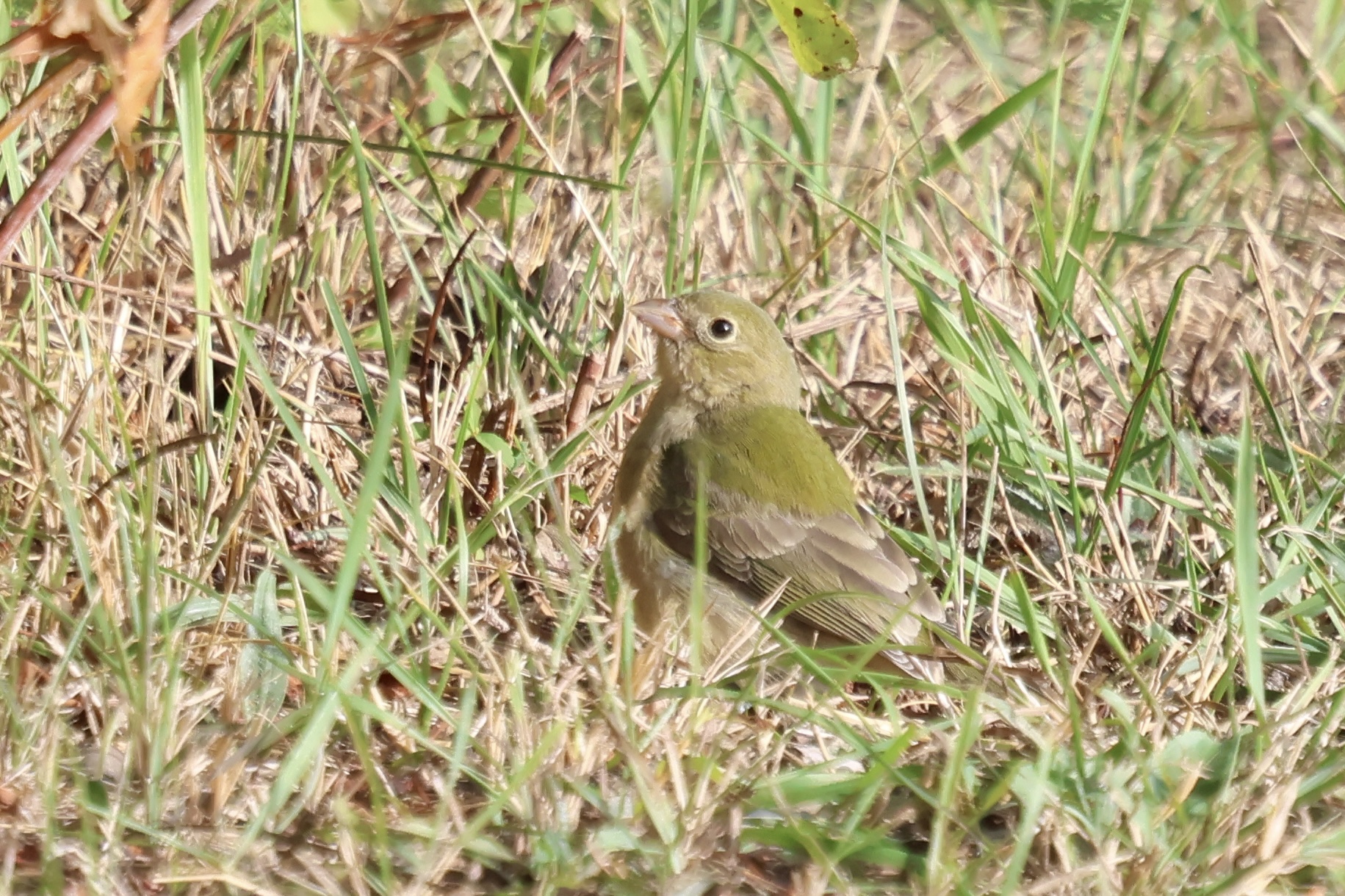
As warbler activity declines throughout September, sparrow diversity notably increases. A strong influx of White-throated and Chipping Sparrows was a highlight this week. The first Vesper Sparrow of the season was spotted foraging the dunes near the hawkwatch platform on 09/07.
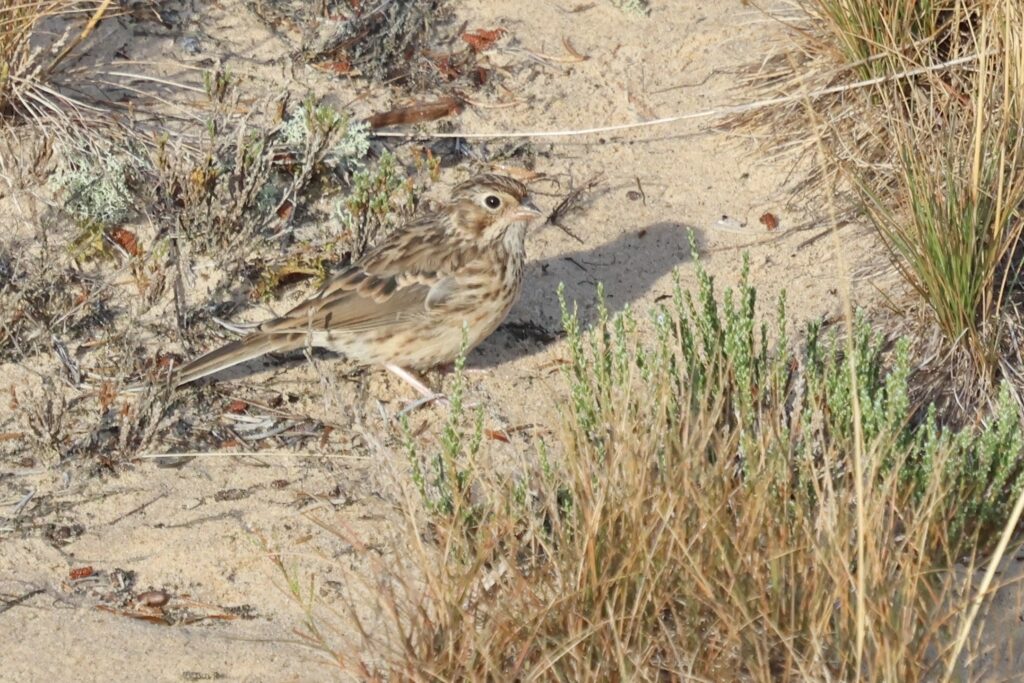
Vesper Sparrow. Photo by Oliver Kew
LeConte’s Sparrows are notorious for skulking low in dense cover, however, an early arrival was briefly encountered near the point on 09/02. The bird briefly popped up onto a pine branch before quickly vanishing back into the short grass.
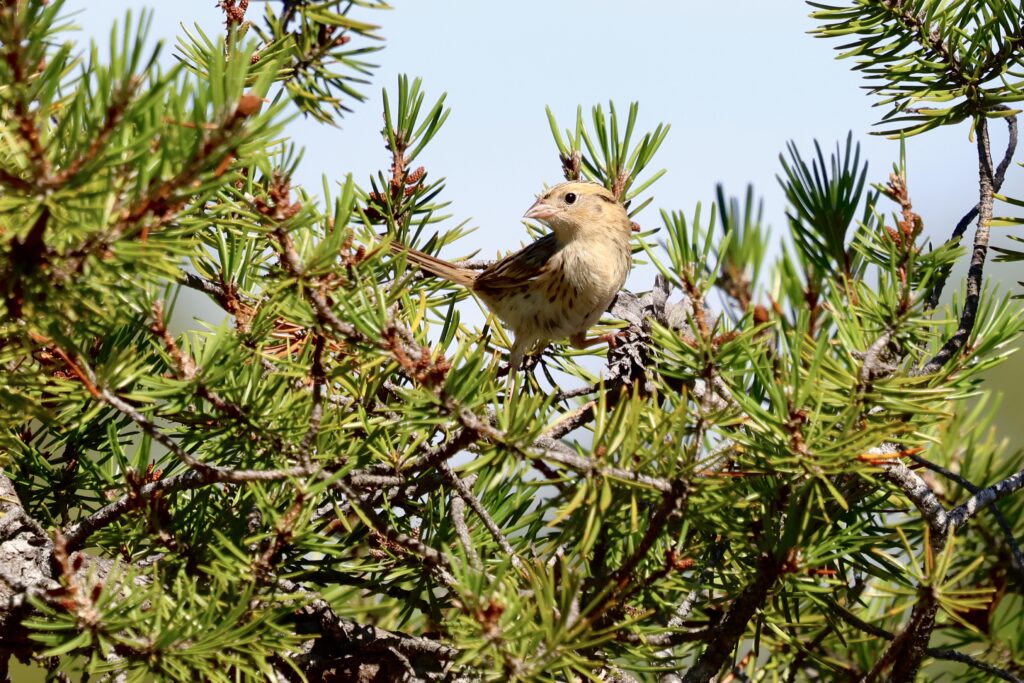
LeConte’s Sparrow. Photo by Oliver Kew
American Robin migration is common during daylight hours. Other species of thrushes prefer to migrate exclusively at night. At dawn break, the morning flight has tallied first of season Swainsons Thrushes (11) and Veery (1). An Eastern Bluebird was recorded on 09/03 and 09/05. Hermit Thrushes have already been present in the woods as local breeders.
The first Philadelphia Vireos of the fall season were found this week! This species is an uncommon spring and fall migrant on the Great Lakes. The white eyebrows and yellow wash to belly are striking features.
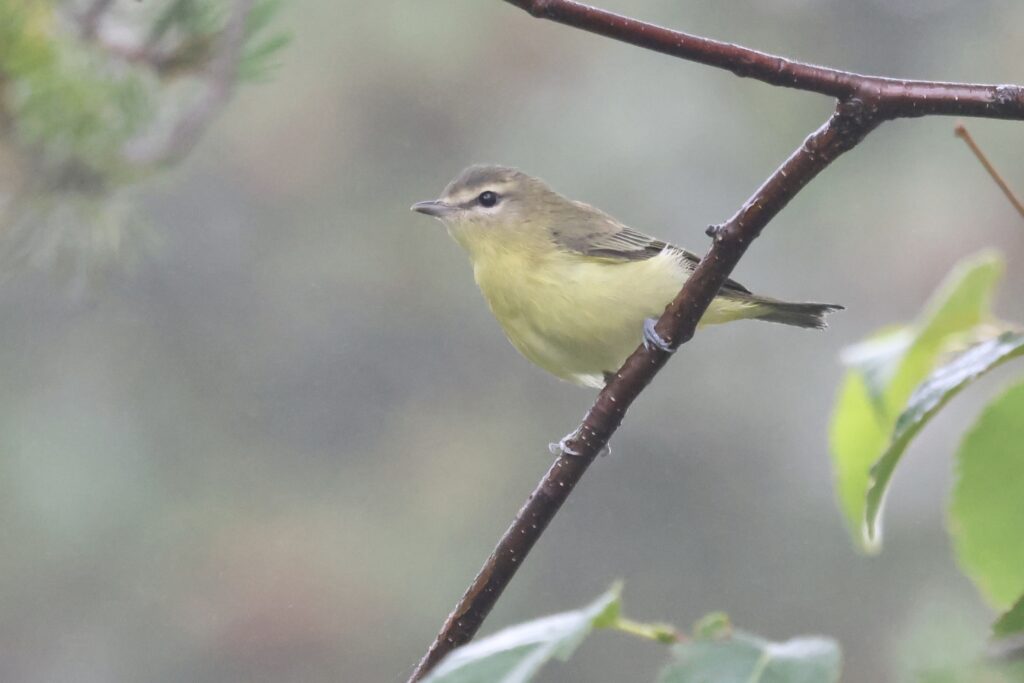
Philadelphia Vireo. Photo by Oliver Kew
Blue-grey Gnatcatchers are a late fall specialty at Whitefish Point. Regular breeding does not take place north of the lower peninsula. Migrants make their presence known with constant nasal calls. A pair was observed together near the point on 08/28.
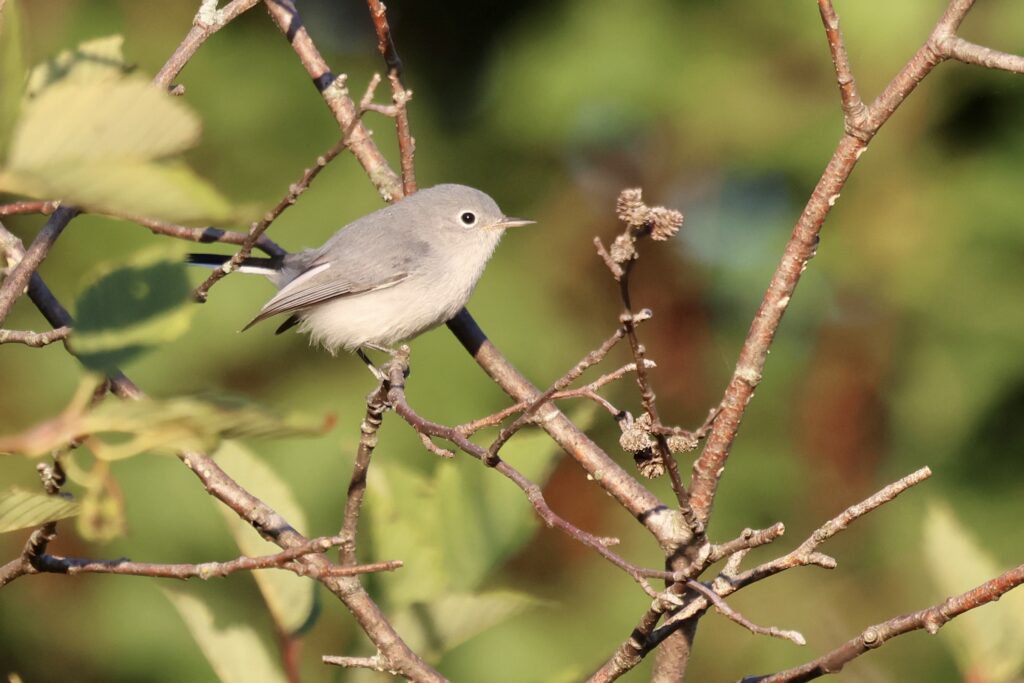
Blue-grey Gnatcatcher. Photo by Oliver Kew
Mourning Doves are the only native dove species on the Great Lakes. A single migrant was found in the woods this week. Late fall counts at Whitefish Point in October and November will hopefully turn up some more rare dove species. Not well known for migration, a single Rock Pigeon was a surprise on 08/31, flying in off the big lake from Canada.
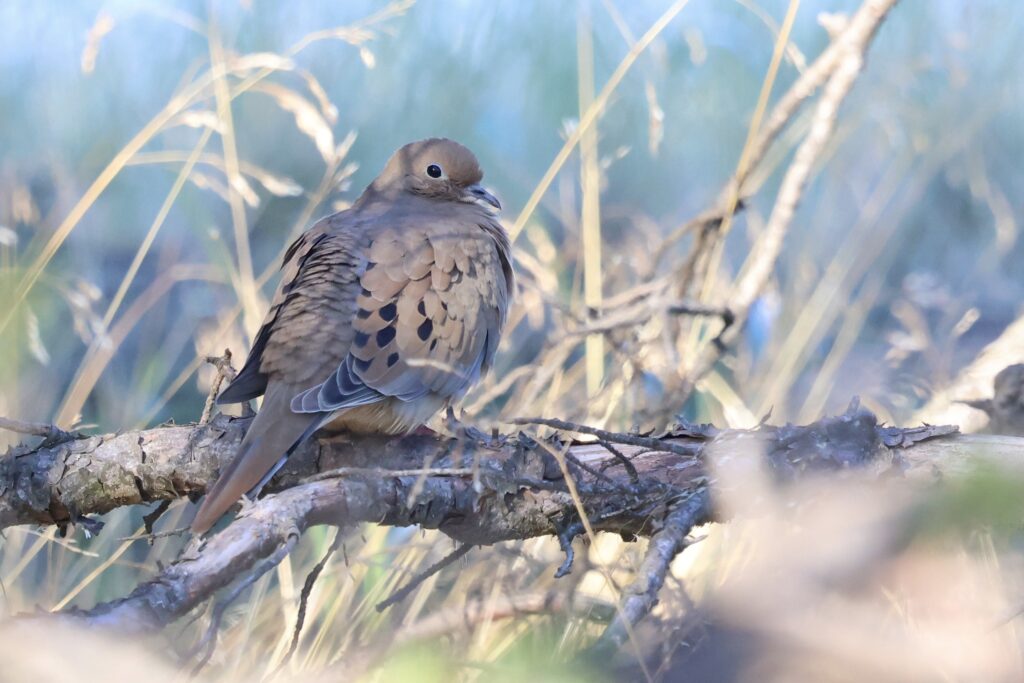
Mourning Dove. Photo by Oliver Kew
Oliver Kew, 2026 Fall Field Ornithologist
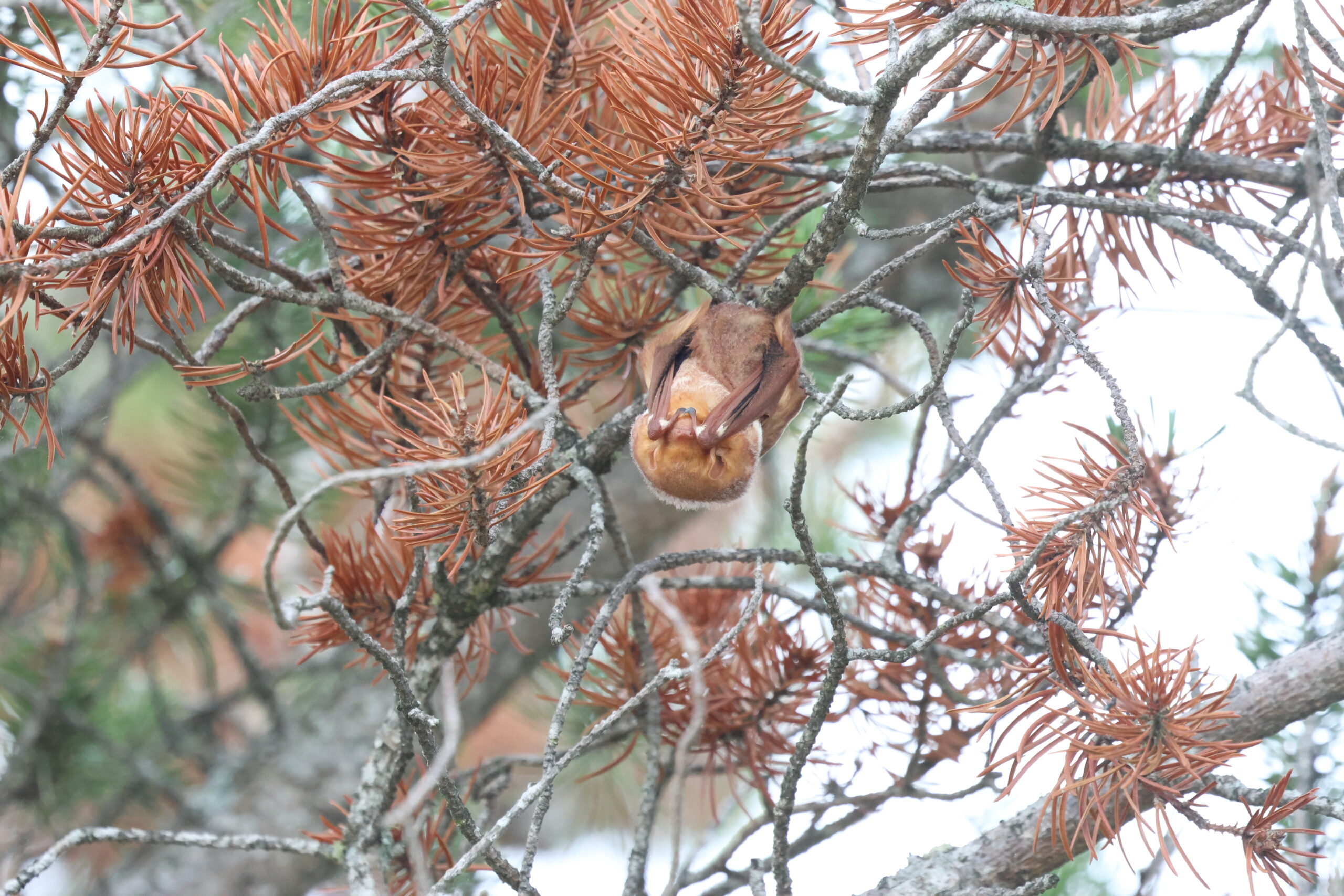
Featured Photo: Eastern Red Bat by O. Kew
Track the morning flight counts on Trektellen.
Keep up with the 2026 Fall Field Ornithologist’s weekly blog posts and follow WPBO’s social media (Facebook, Instagram, and X).
Join Oliver for one of his WPBO Migratory Bird Walks offered every weekend through November 15. Learn more: wpbo.org/wpbobirdwalks/

Oliver Kew: 2026 Fall Field Ornithologist
Oliver is a passionate naturalist from Petoskey, Michigan. He worked for Mackinac Straits Raptor Watch as a waterbird counter for seven seasons. Oliver graduated from Michigan State University in 2017 with a B.S. in Zoo & Aquarium Science. His previous roles include working as an Animal Husbandry Technician and Zookeeper Aide, where he helped maintain large collections of exotic birds and reptiles. Originally from Coventry, England, Oliver developed an immense appreciation for the natural world through his family of foresters. He loves exploring the shorelines of northern Michigan in pursuit of exciting and unexpected birding experiences and is honored to help convey the importance of Whitefish Point as a migration pathway. When he is not birdwatching, Oliver enjoys playing disc golf, looking for insects and plants, and spending time with his two cats.