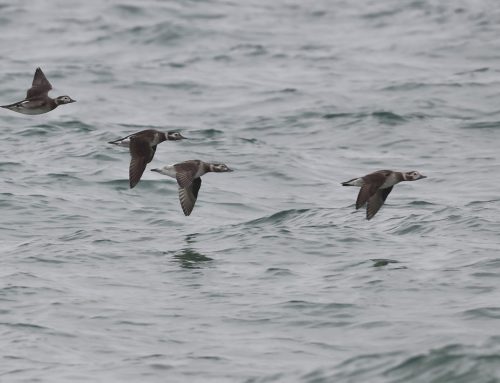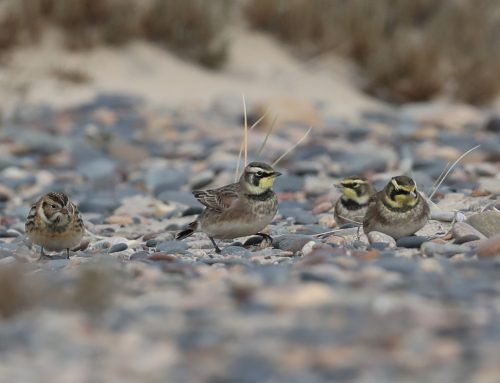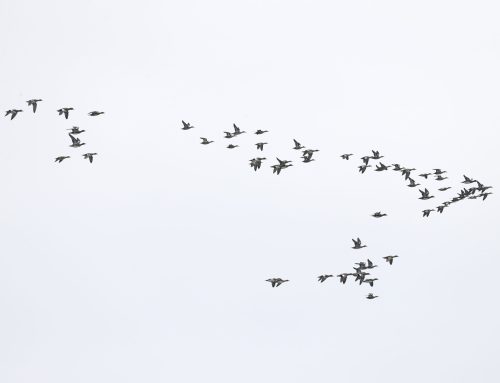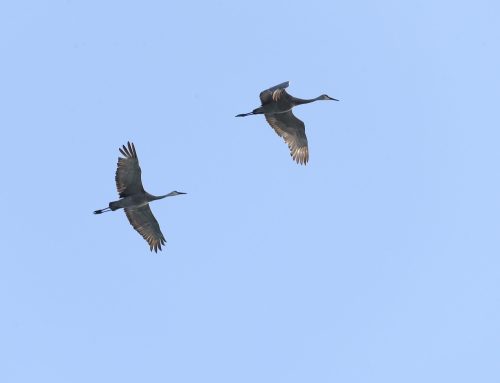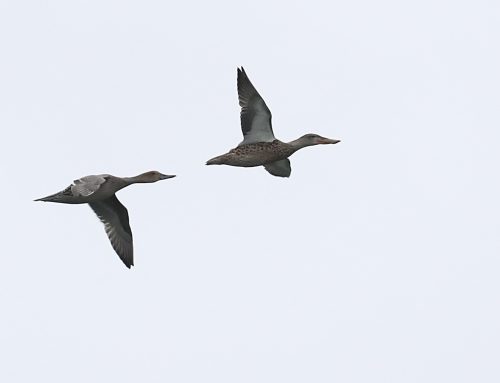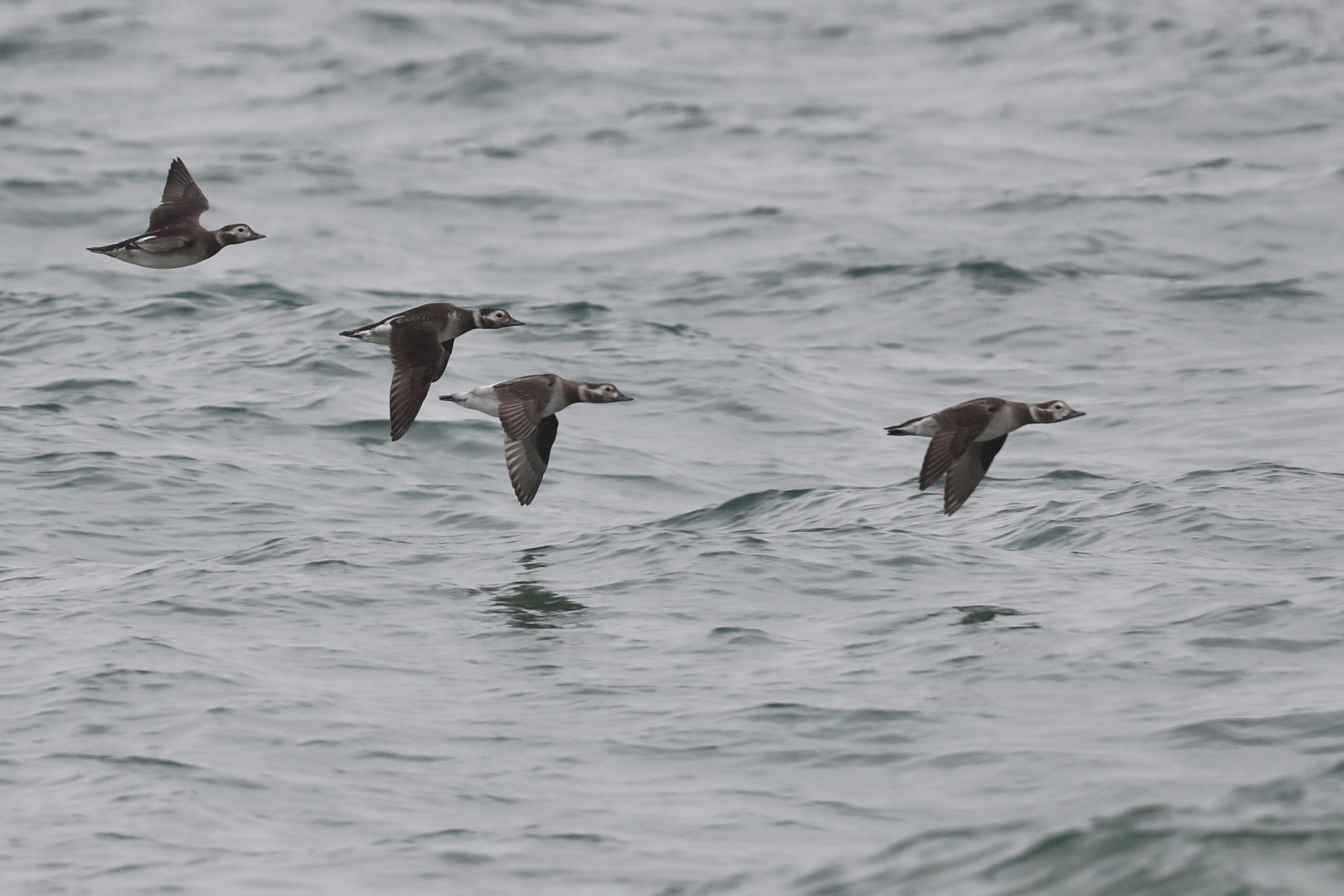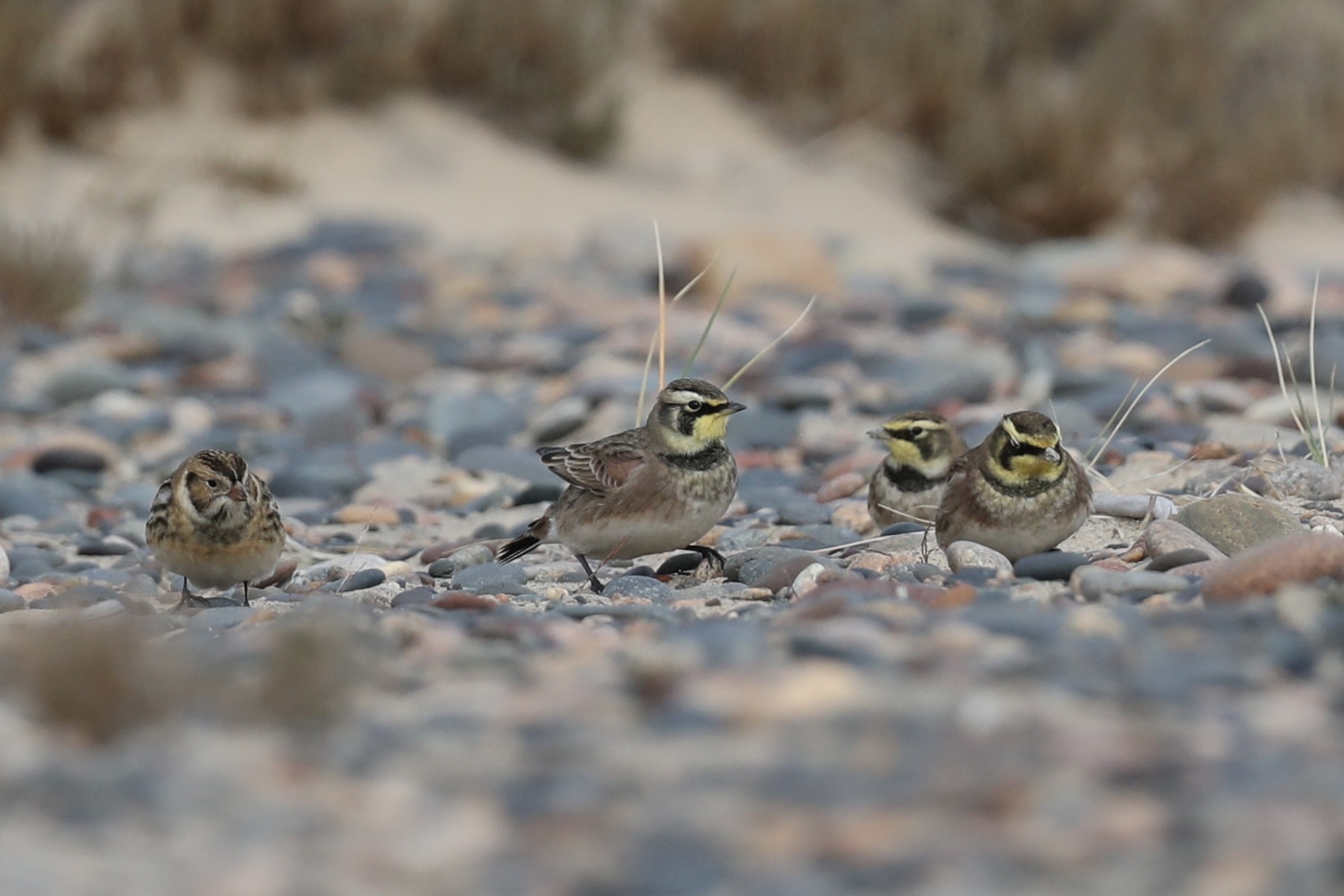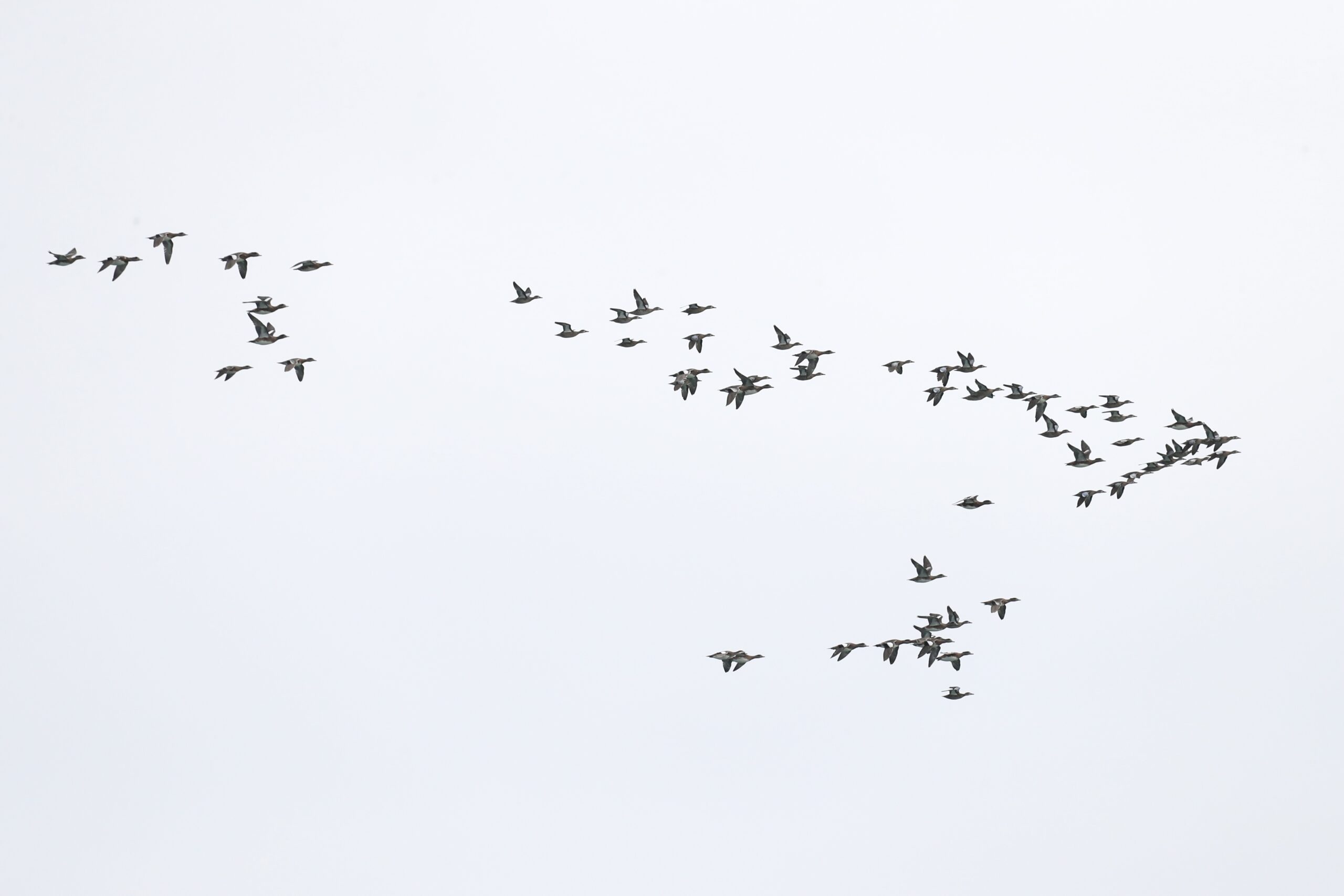
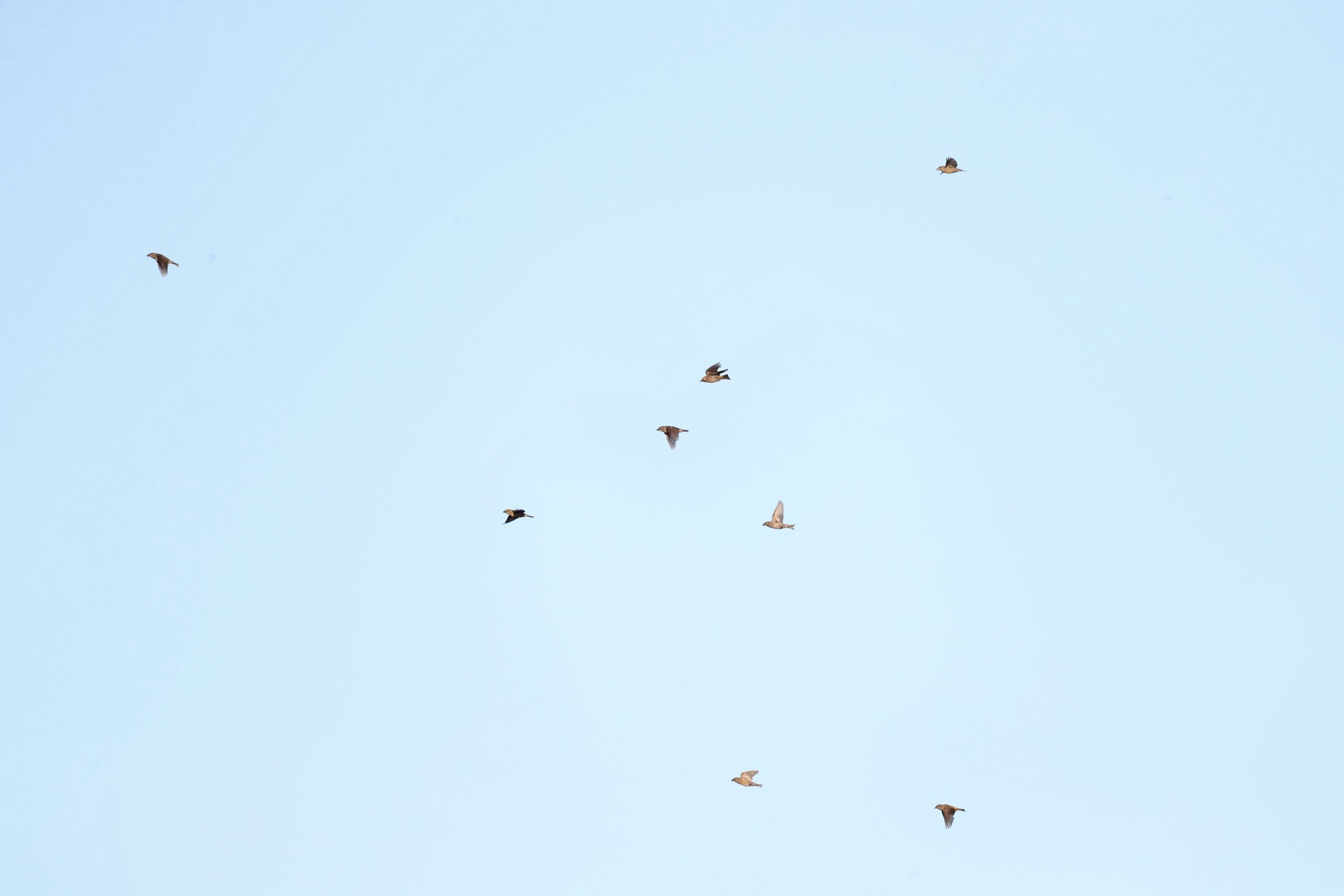
August has come to an end! Just like that, the first day of September is in the books. So far, we have recorded a little over 12,000 birds of 140 species, 1 species of bat, 6 species of dragonfly, and 7 species of butterflies! A few of our most numerous bird species of August included 4,643 Red-necked Grebes, 1,637 Ring-billed Gulls, 723 Cedar Waxwings, 446 Yellow-rumped Warblers, an amazing 593 Red Crossbills already, and 196 Common Loons.
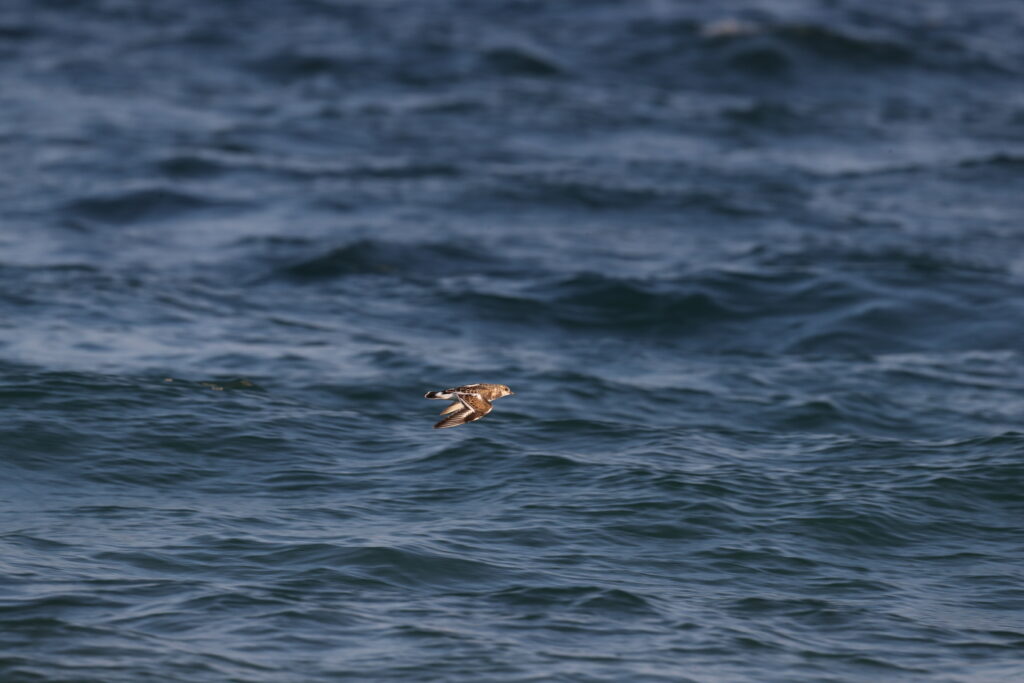
Ruddy Turnstone. Photo by Jack McDonough
Unfortunately, the last week of the count had lots of flat southerly or easterly winds, resulting in low waterbird totals. However, the 26th had three Western Willets that migrated past the Point shortly after dawn and 7 Short-billed Dowitcher later in the day. Both firsts and potentially lasts of the season. On the 27th, a strong cold front came through and Oliver Kew recorded 9 Parasitic Jaegers during the count. On the 31st, the first White-rumped Sandpiper was spotted. A number of days remained good for landbirds. Warbler diversity and numbers have been slowly growing when the conditions are right. We’ve had a few Mourning Warblers during after count hours and two evenings with Common Nighthawks after the Point.
The first day of September brought in 5 Swainson’s Thrush on a foggy morning, kick starting Catharus migration season. Monarch numbers have been steady most days with an increasing number of Wandering Gliders. We’re looking forward to the rest of September and hope to see you at the watch soon!
Jack McDonough, 2026 Fall Waterbird Counter
Featured Photo: Migrating Red Crossbills by J. McDonough
You can now see the waterbird count data on Trektellen! Check it out at www.trektellen.org/count/view/5727/
You can keep up with the 2026 Fall Waterbird Count by reading Jack’s weekly blog posts and following WPBO’s social media (Facebook, Instagram, and X). The fall waterbird count runs August 15 through November 15.
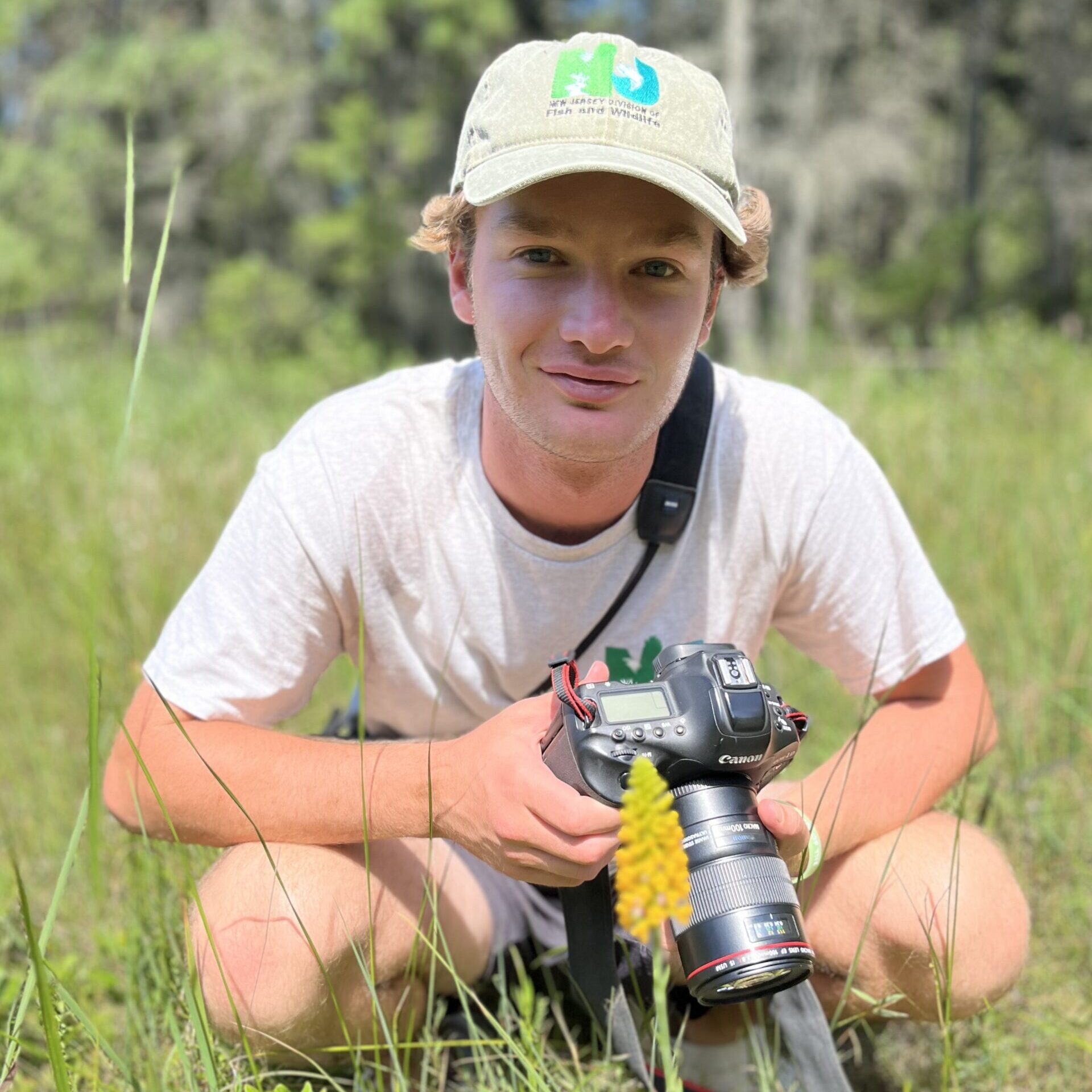
Jack McDonough: 2026 Fall Waterbird Counter
Jack grew up in Cape May, New Jersey, where he developed an early passion in life for anything migrating. At New Jersey Audubon’s Cape May Bird Observatory (CMBO), Jack worked for the Monarch Monitoring Project for six years and coordinated it for the last three. Jack was a migratory bird counter for two seasons for CMBO’s Springwatch project and was a swing counter for several fall counts such as CMBO’s Morning Flight, Avalon Seawatch, and Cape May Hawkwatch. Additionally for NJ Audubon, he preformed aerial imagery annotating for seabirds with USGS. Jack worked as a biologist for NJDEP Fish & Wildlife under the Endangered and NonGame Species Program for several years doing surveys and management work for state-listed species. Owning his own business in ecological consulting and biological monitoring, Jack has worked across Nevada and California in the past year. He spends most of his free time out in nature, studying behavioral ecology through the arts.