Research at WPBO
Whitefish Point ranks among the most significant avian migration sites in North America. The Observatory’s long-term research programs are built around the vast biological opportunities of Whitefish Point and the northern Great Lakes ecosystem.
Annual Raptor Count
March 15 – May 31
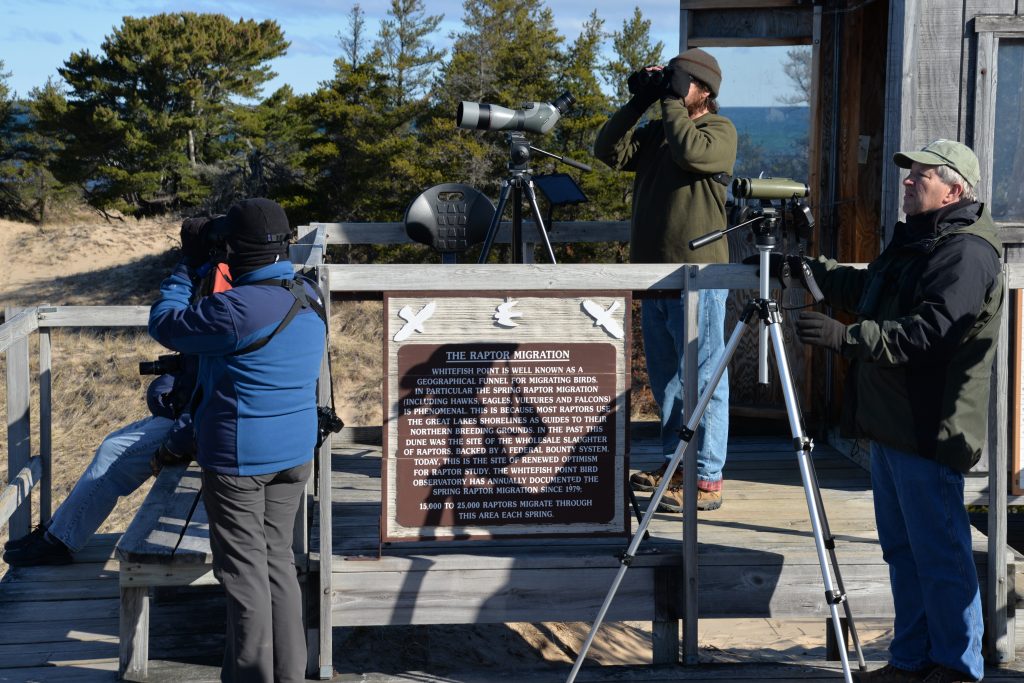
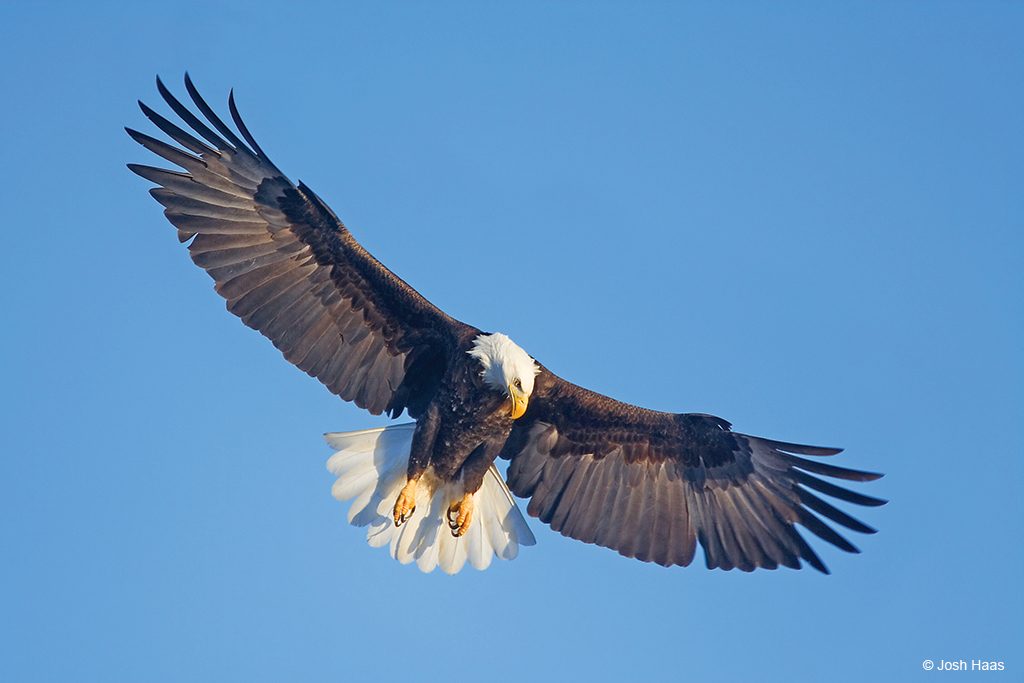
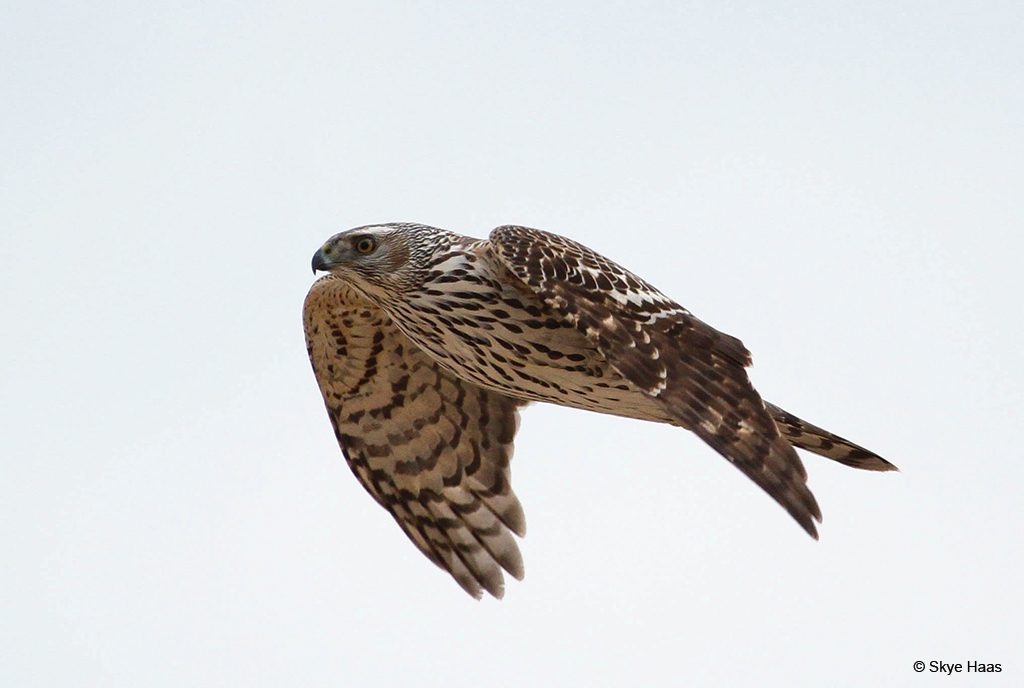
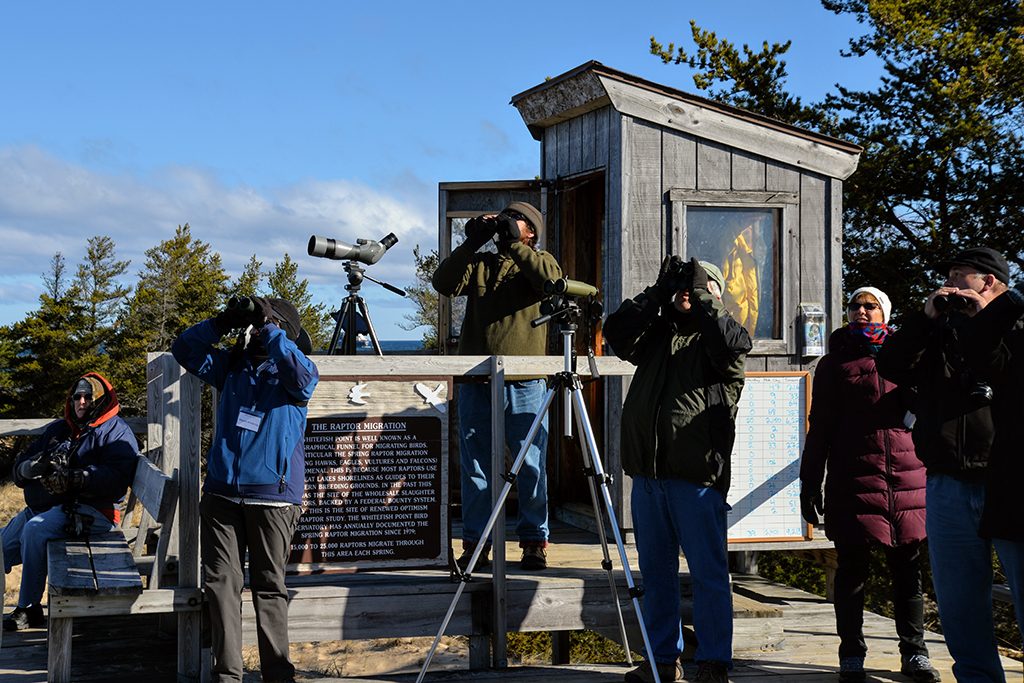
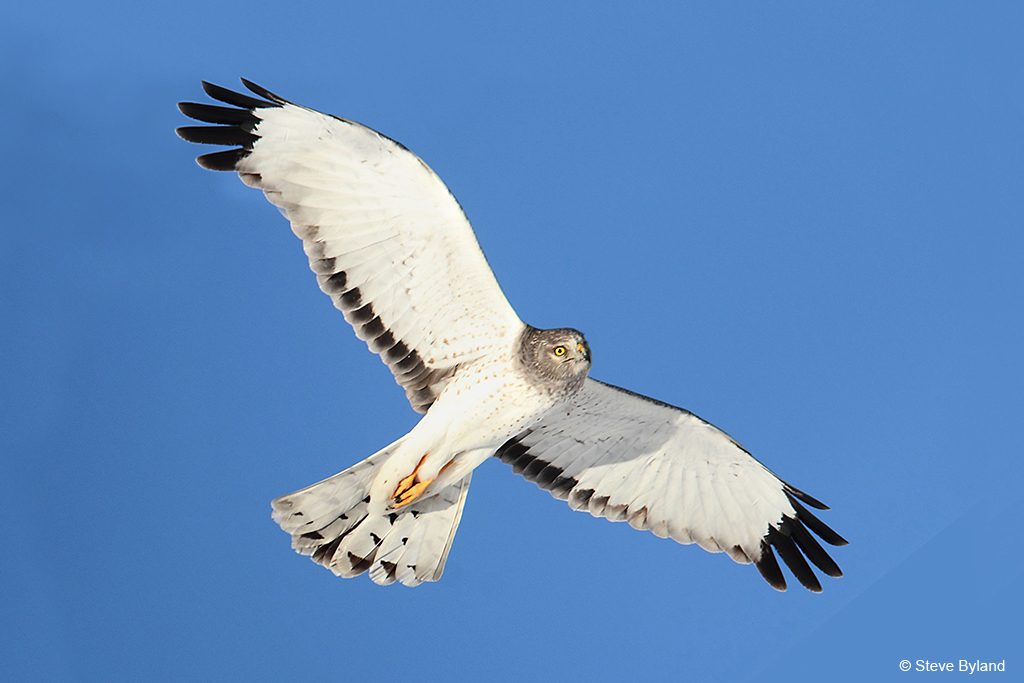
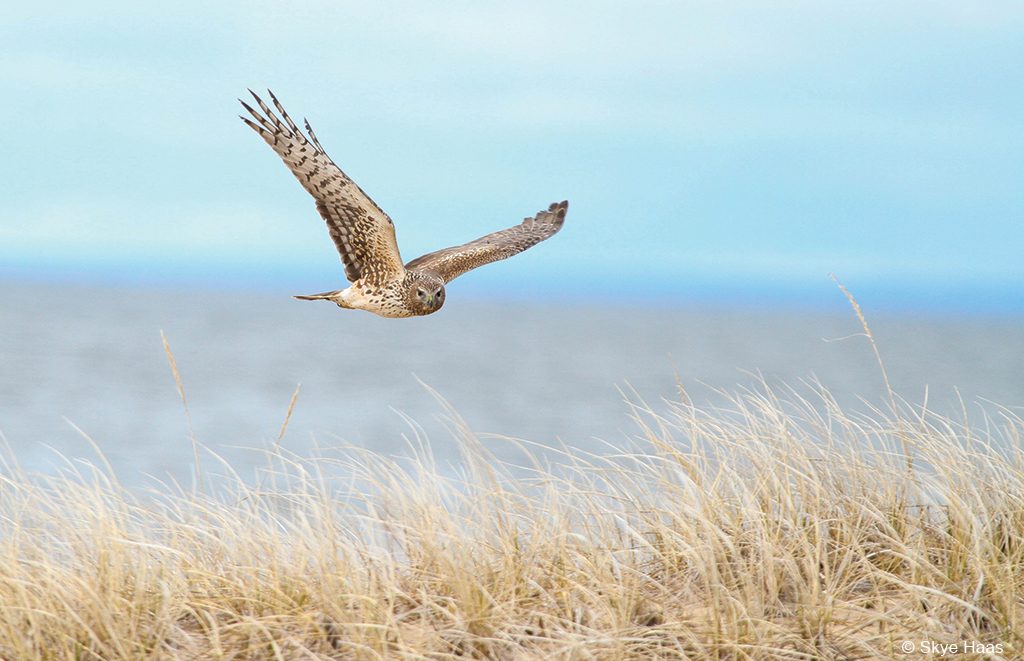
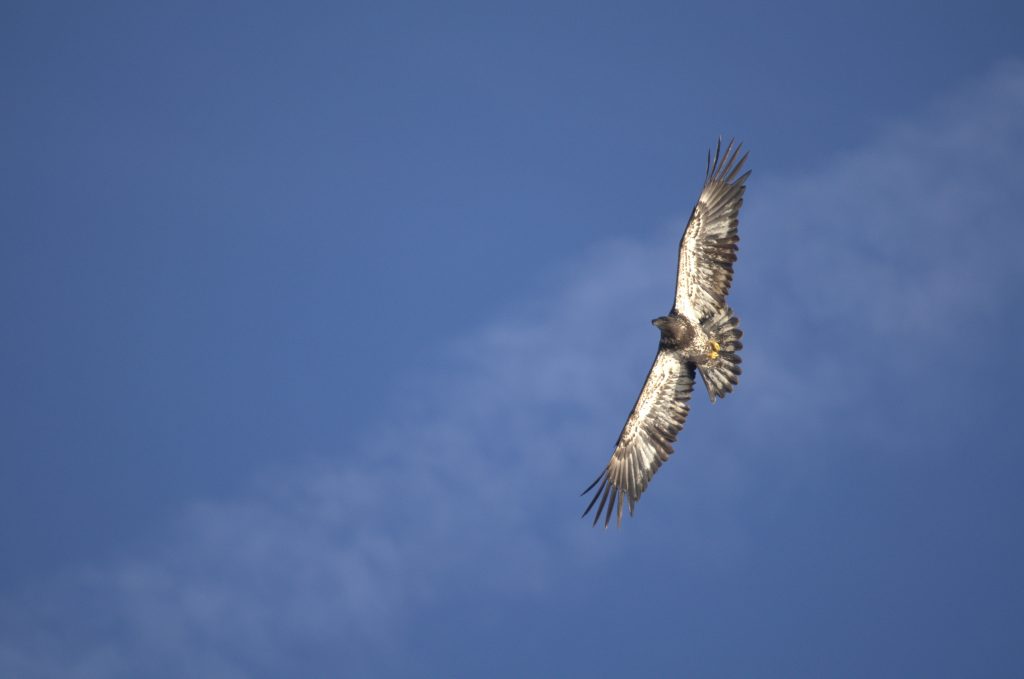
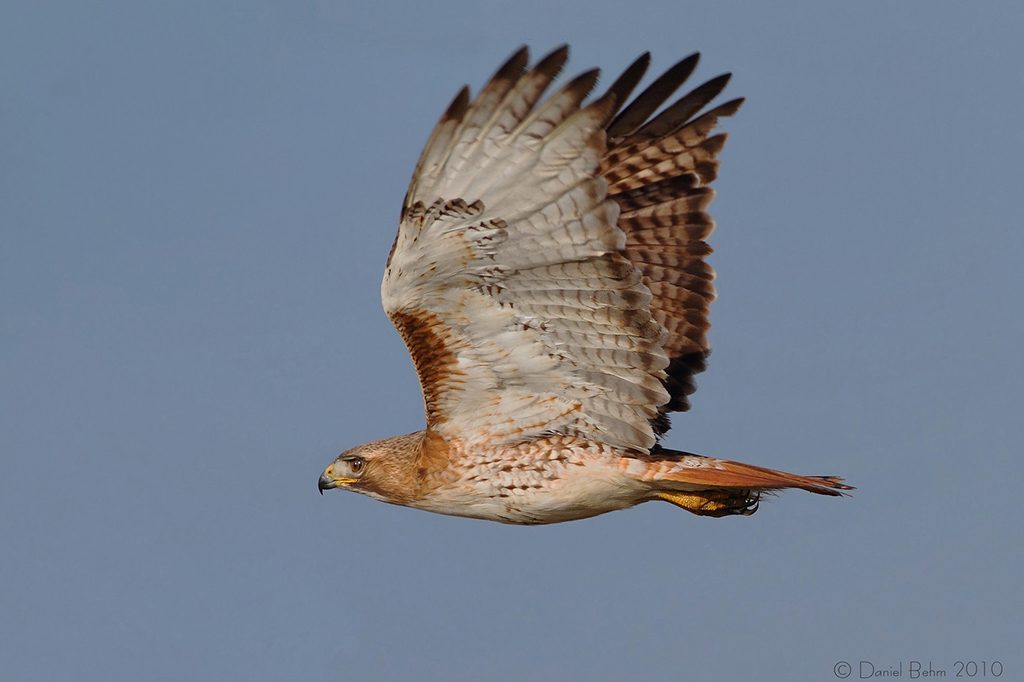
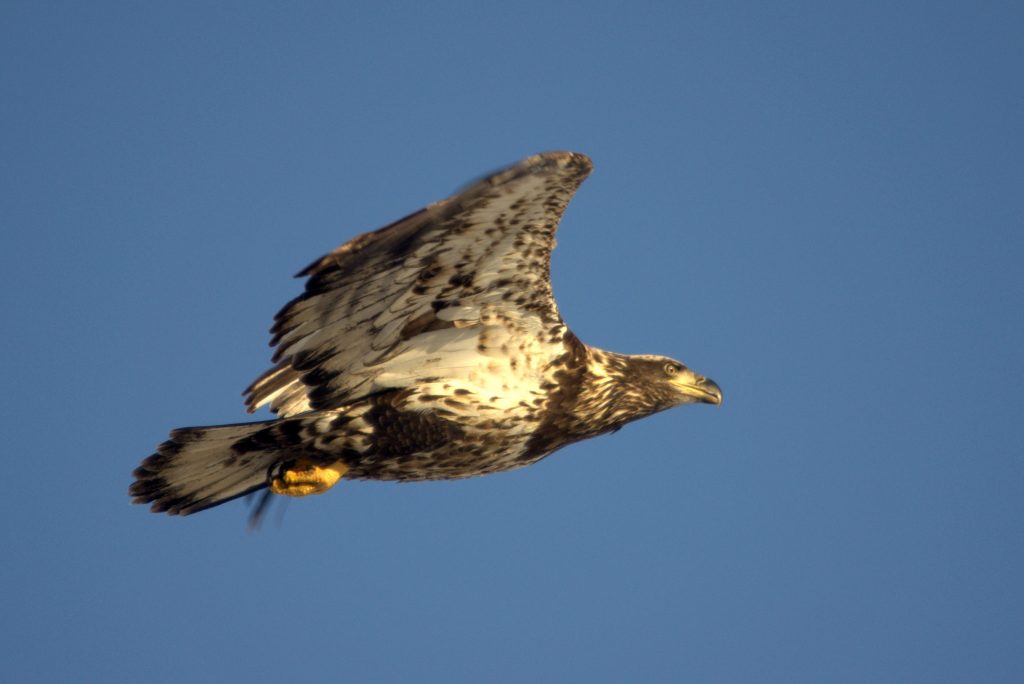
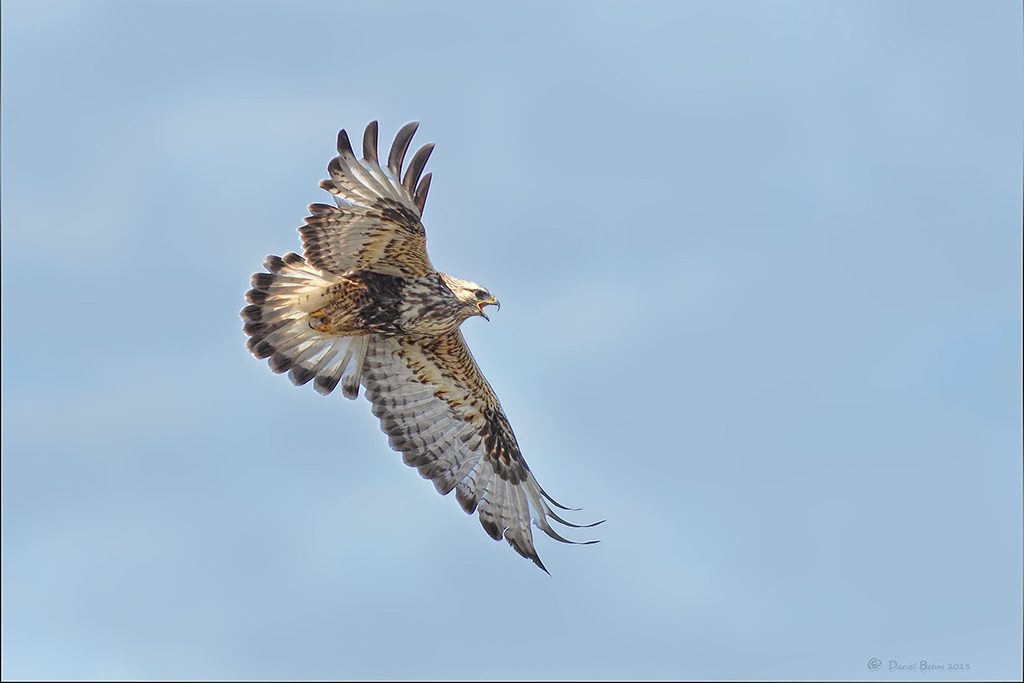
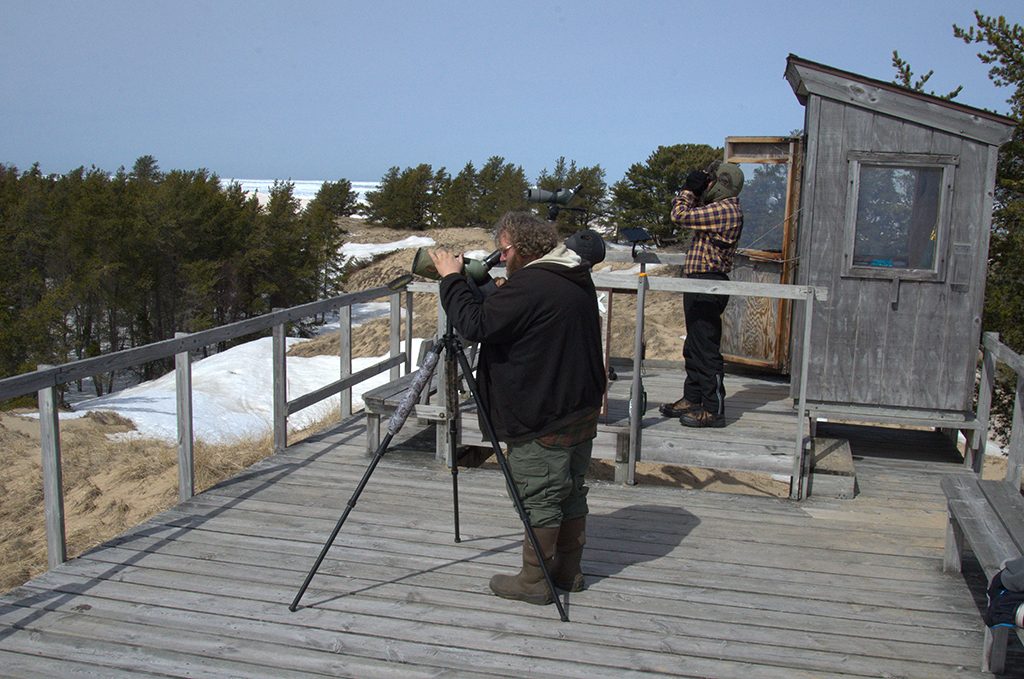
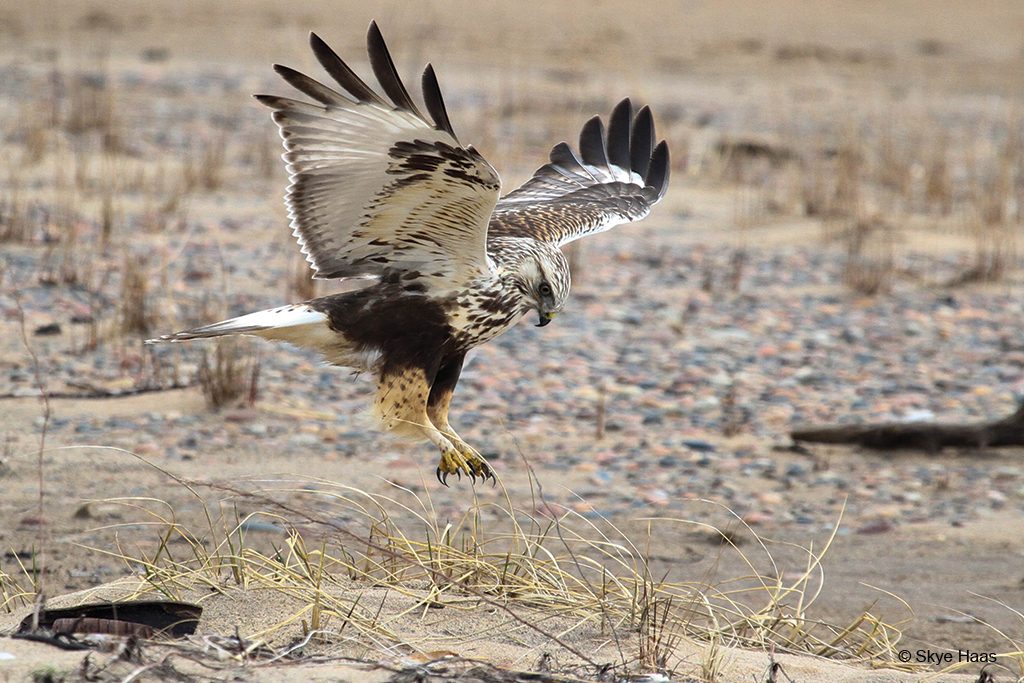
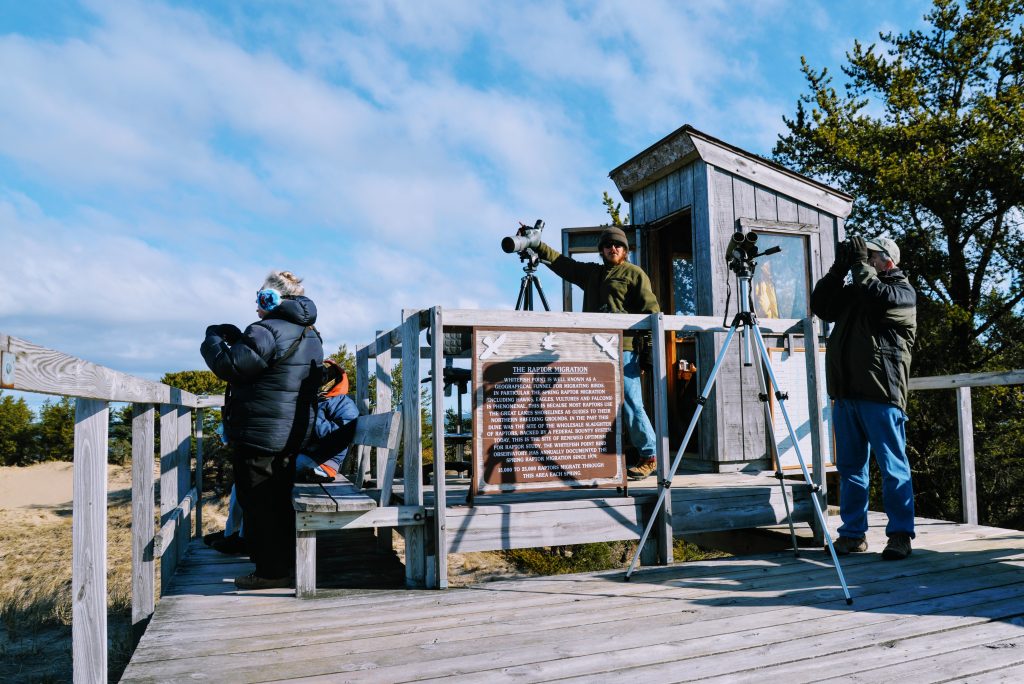
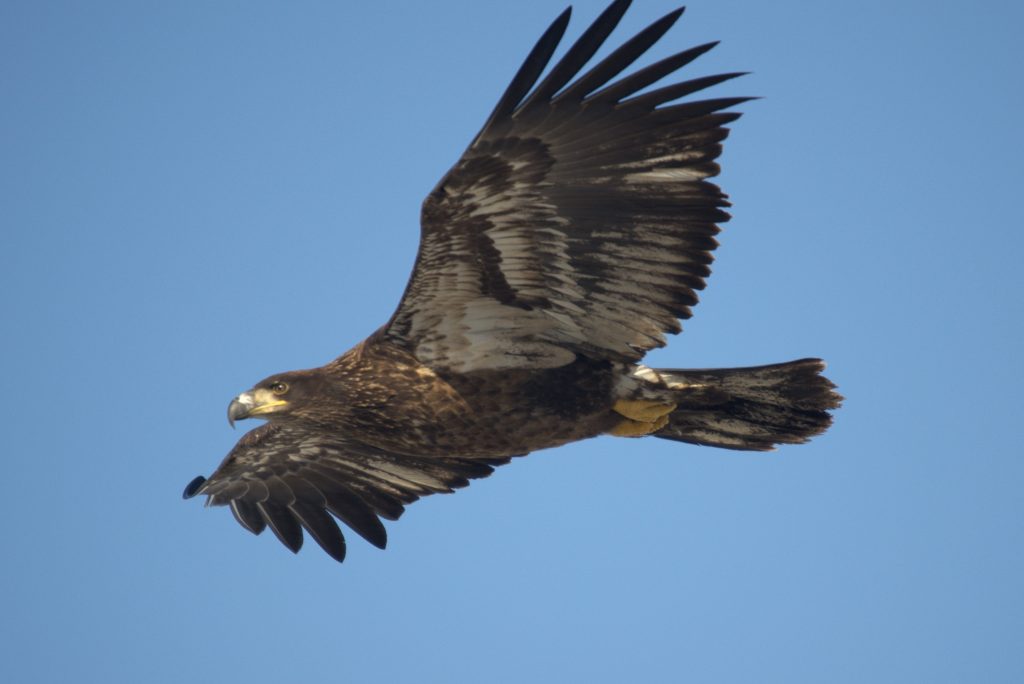
Whitefish Point is one of the most important spring flight corridors for raptors in North America. The raptor count documents the migration of hawks, eagles, and falcons and provides reliable comparative data for long-term monitoring of raptor populations. This long-term census aims to determine the migration chronology of raptors at the Point and quantify the volume of migrants.
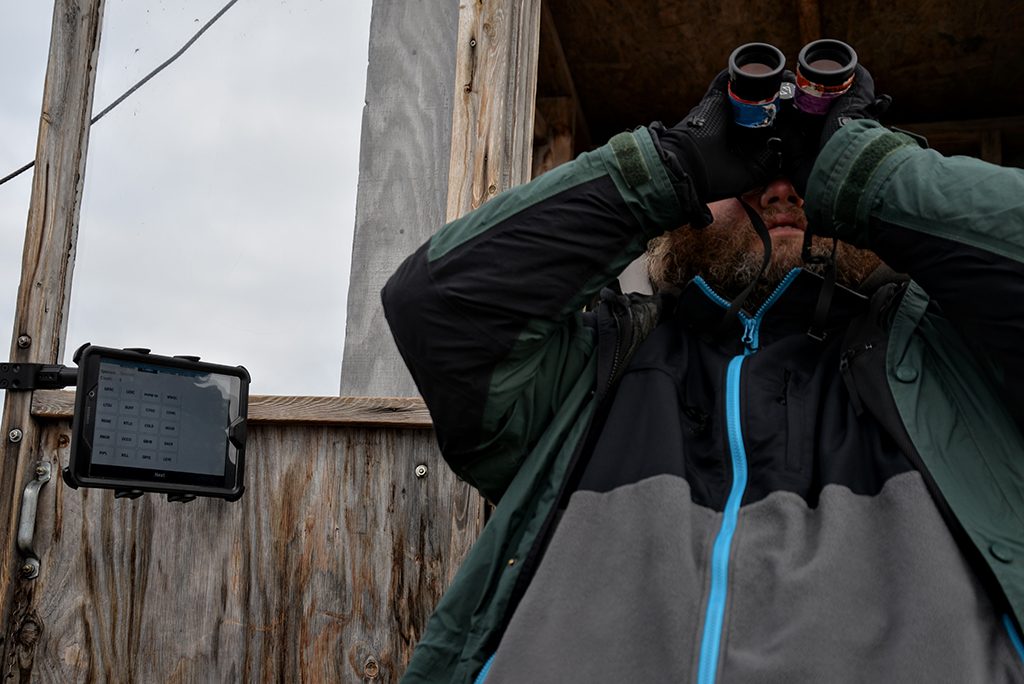
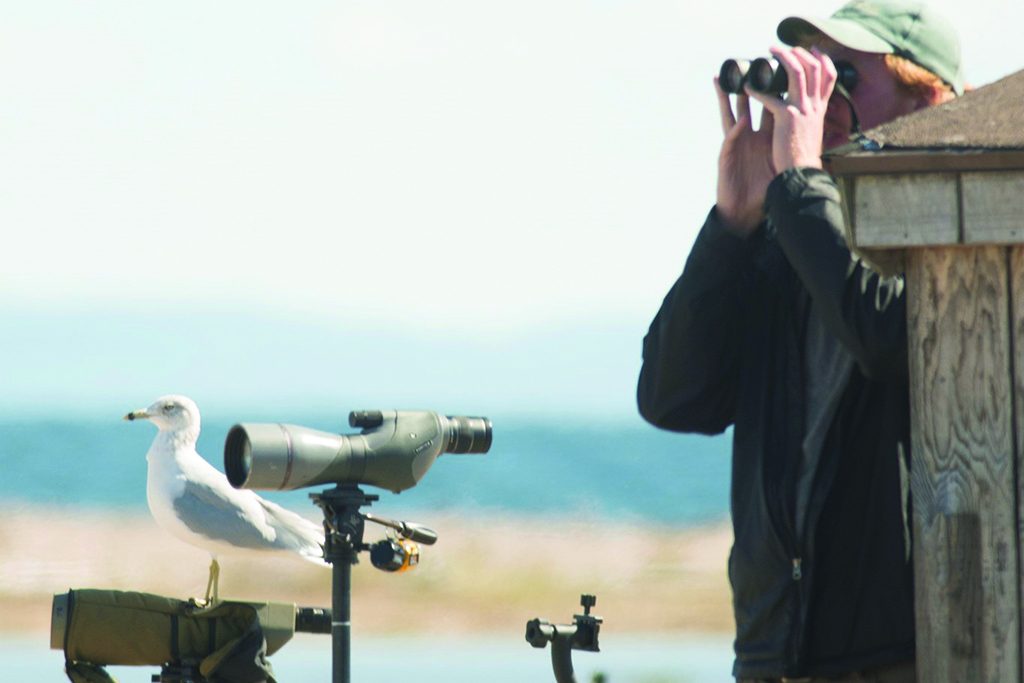
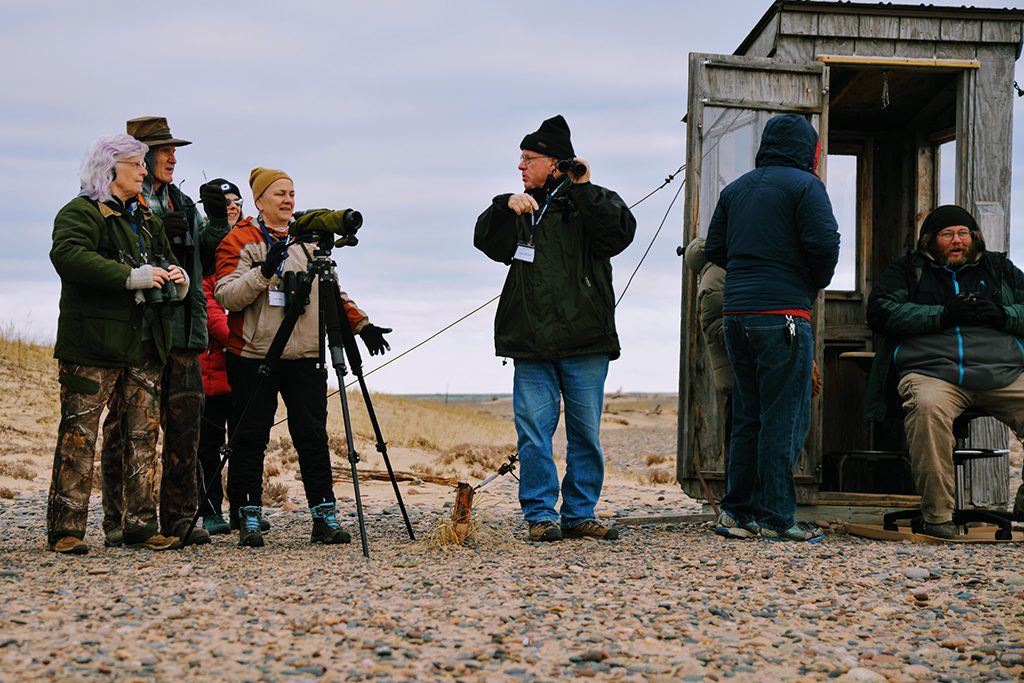
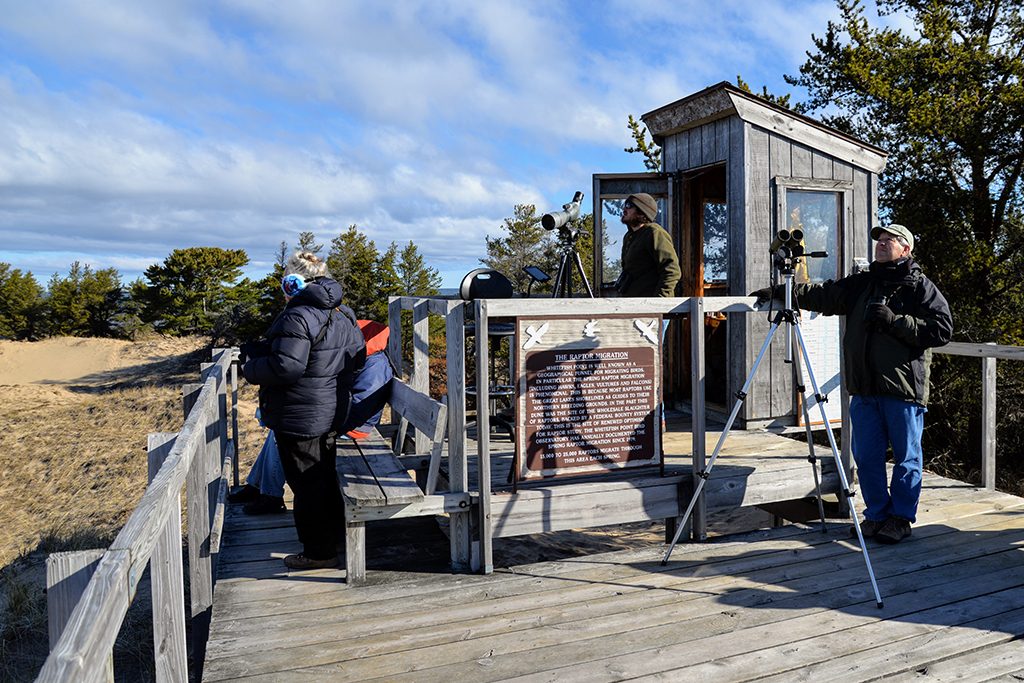
All observations are made from the Hawk Deck about 200 meters west of the Whitefish Point Lighthouse and about 20 meters above Lake Superior. For purposes of the count, migrating raptors are divided into two categories: passing species that actively migrate through the Point area and kettling species that congregate and linger at the Point. The WPBO raptor count has been actively gathering migration data for over 20 years. We are partnered with the Hawk Migration Association of America website, where you can view the numbers of hawks seen each day during migration.

Annual Waterbird Counts
April 15 – May 31 and August 15 – November 15
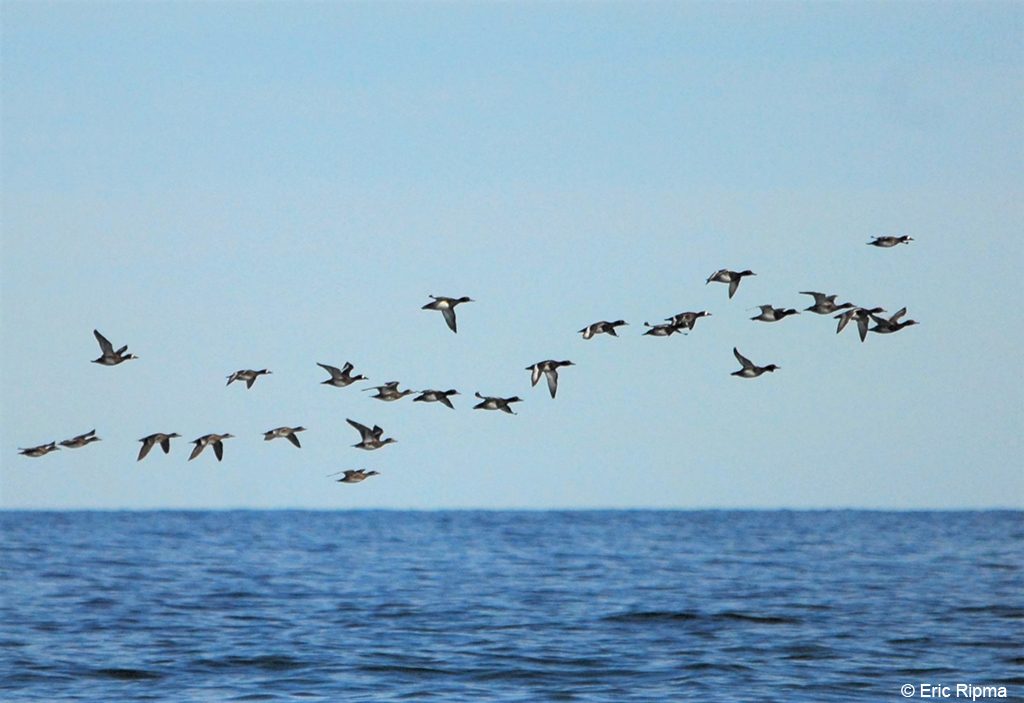
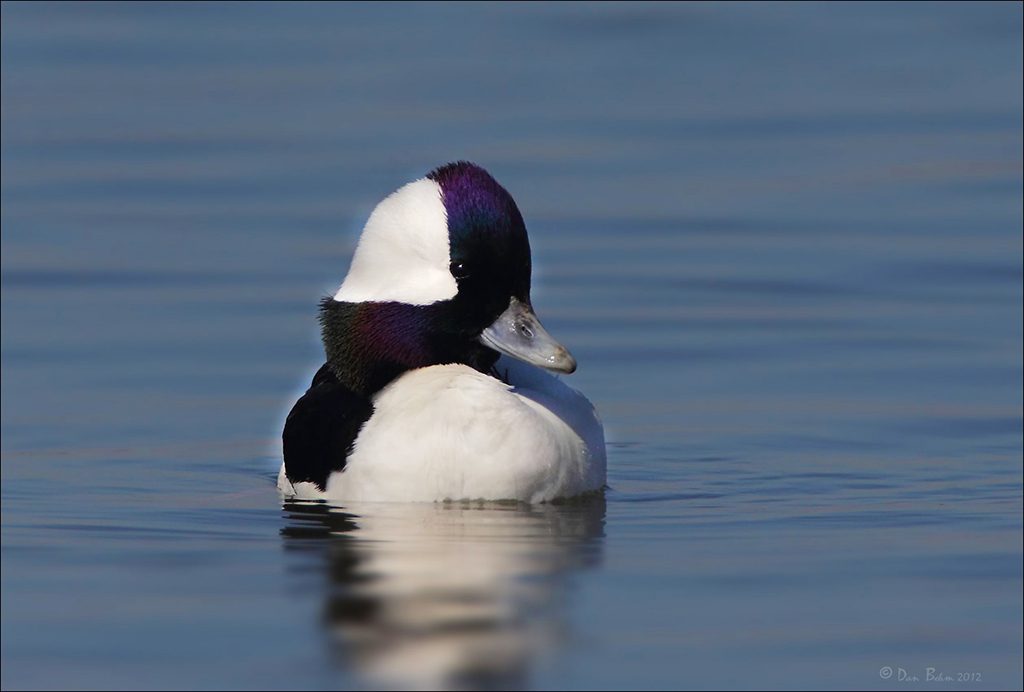
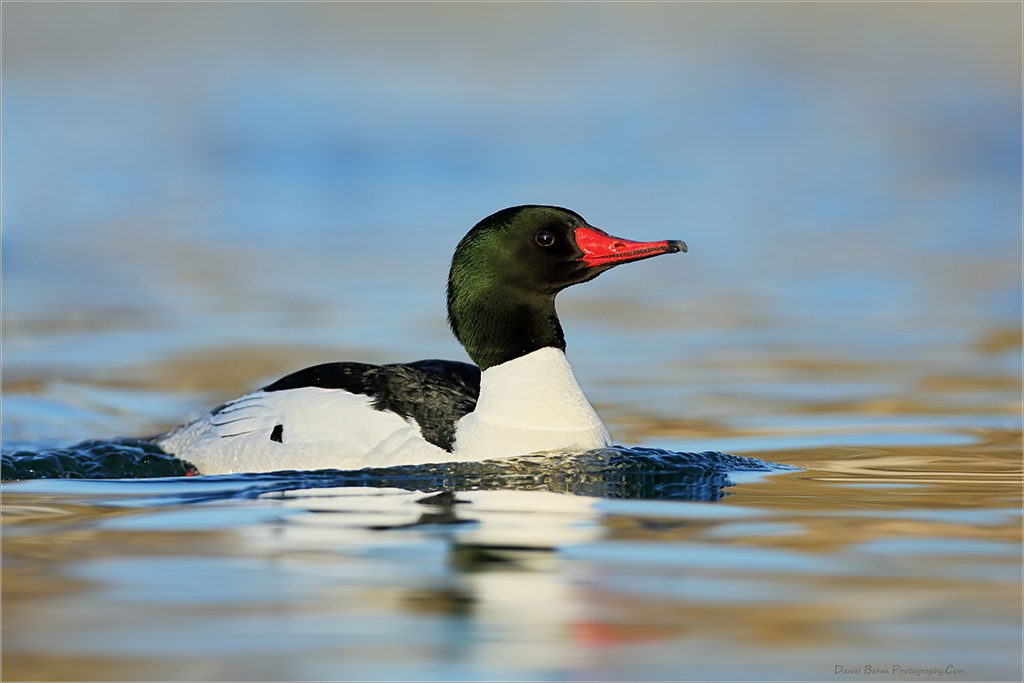
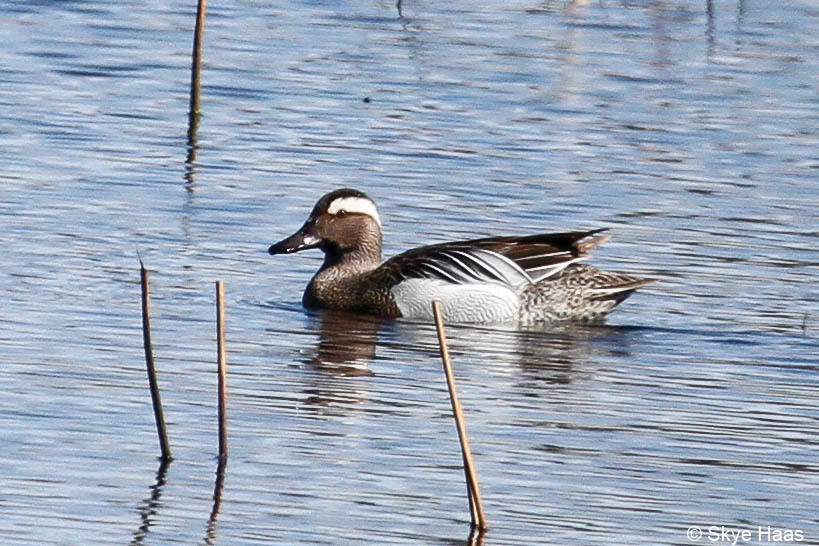
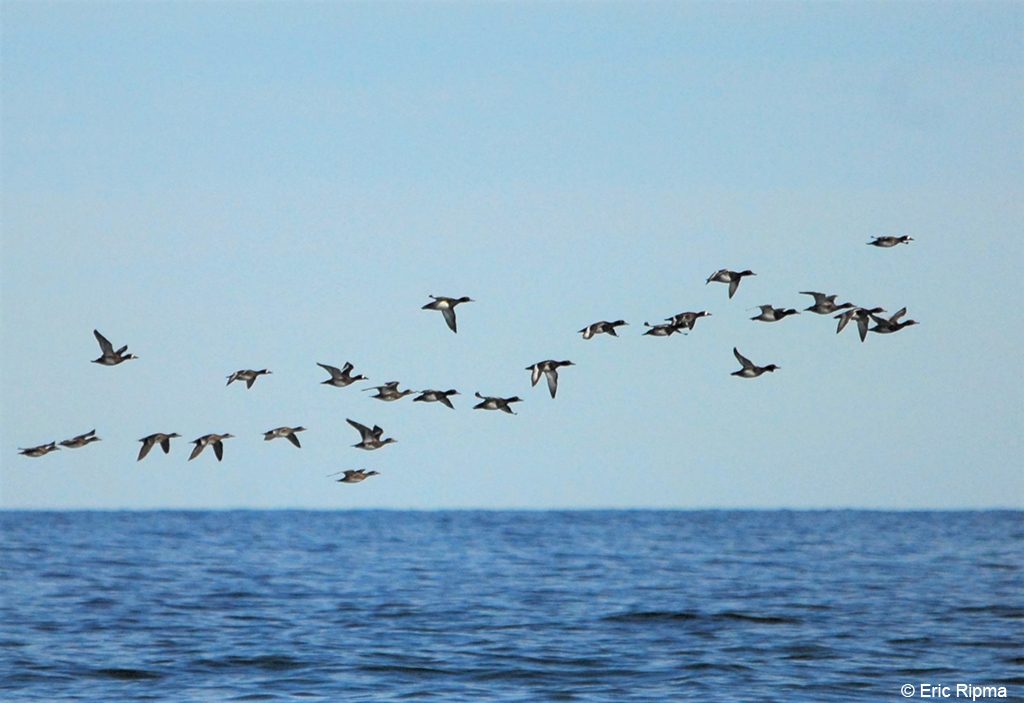
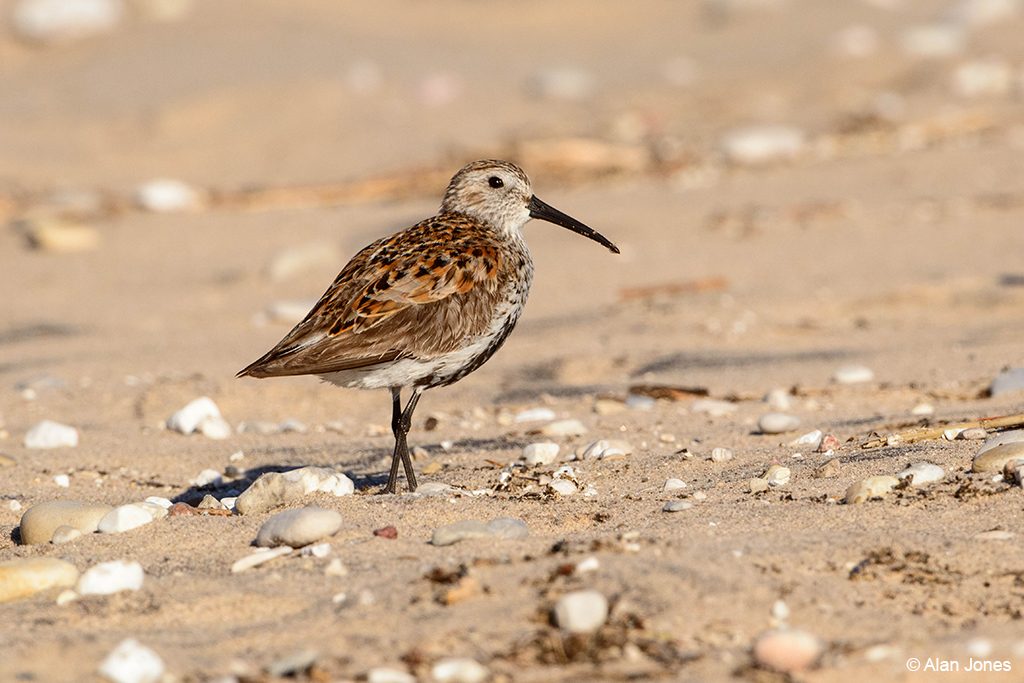
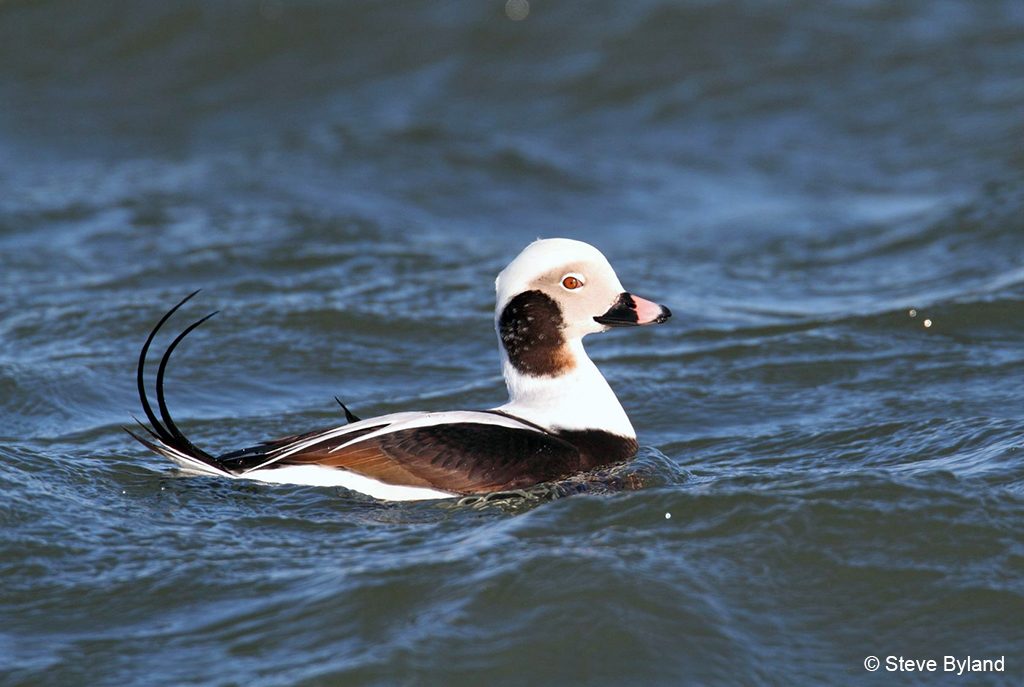
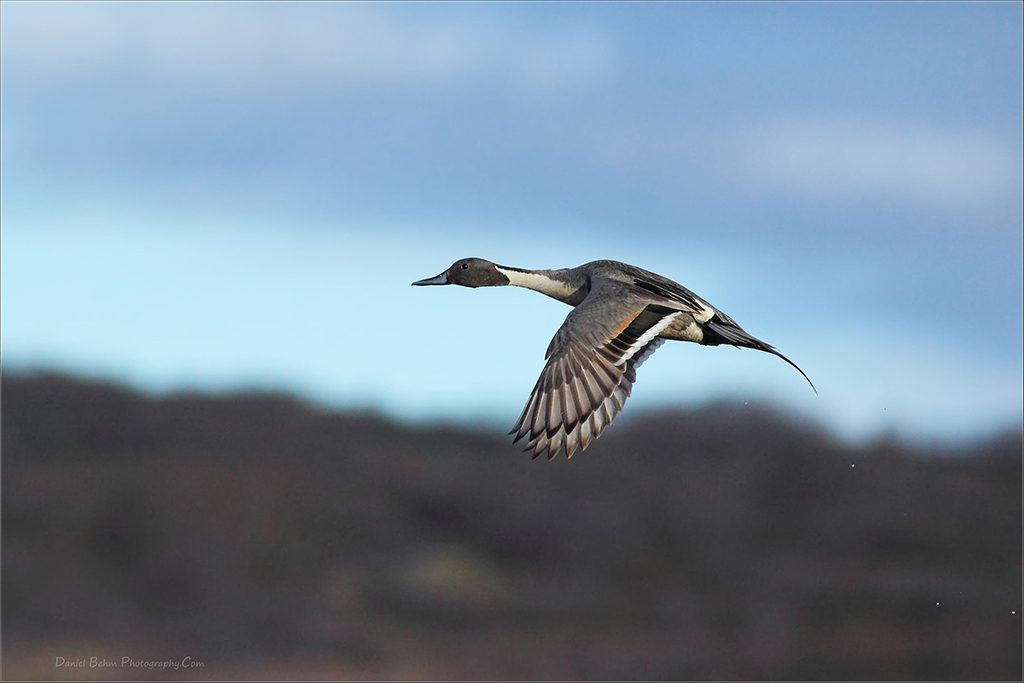
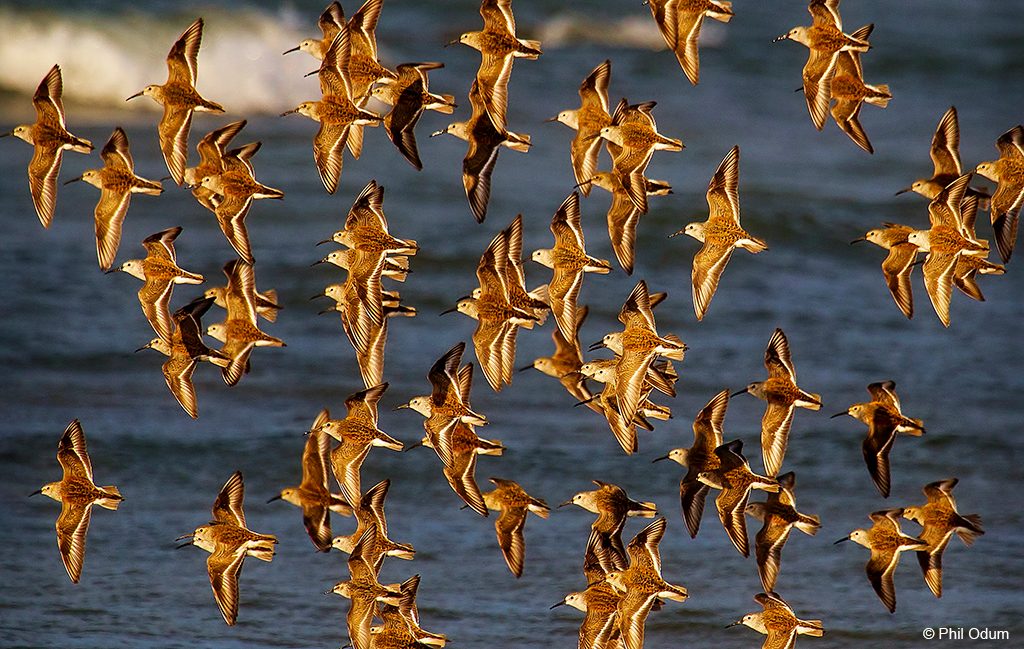
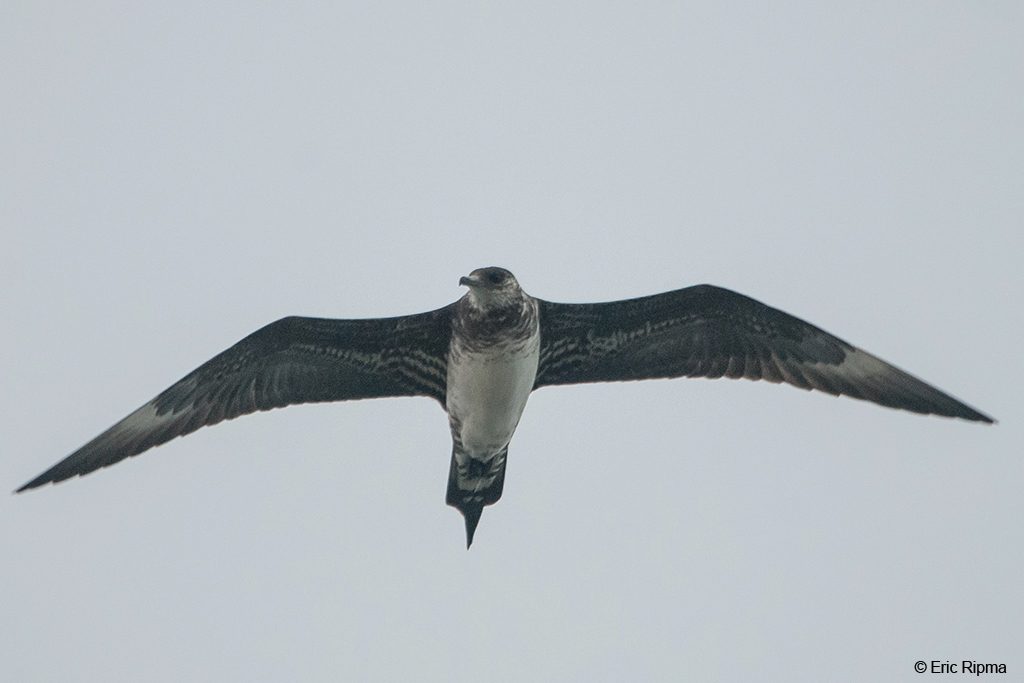
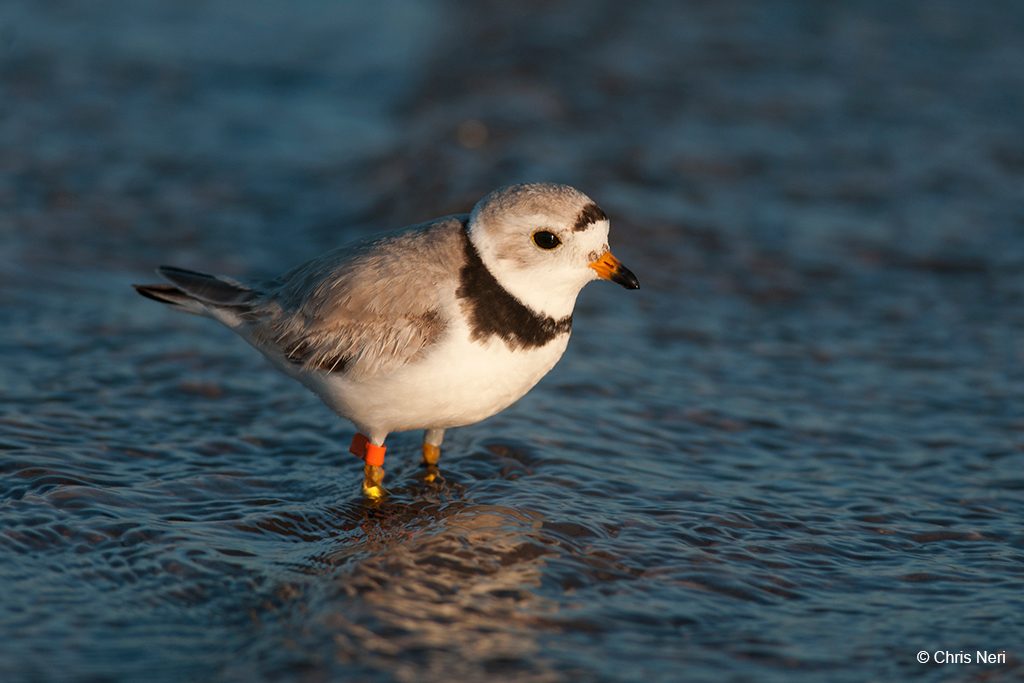
WPBO’s research aims to document avian migration at Whitefish Point. The Point is one of most important spots for documenting and monitoring waterbird movements in the upper Great Lakes. Spring and fall counts record loons, grebes, ducks, geese, shorebirds and other waterbirds, providing important information on abundance and timing of migration, aiding in regional and international efforts to monitor changes in bird populations.
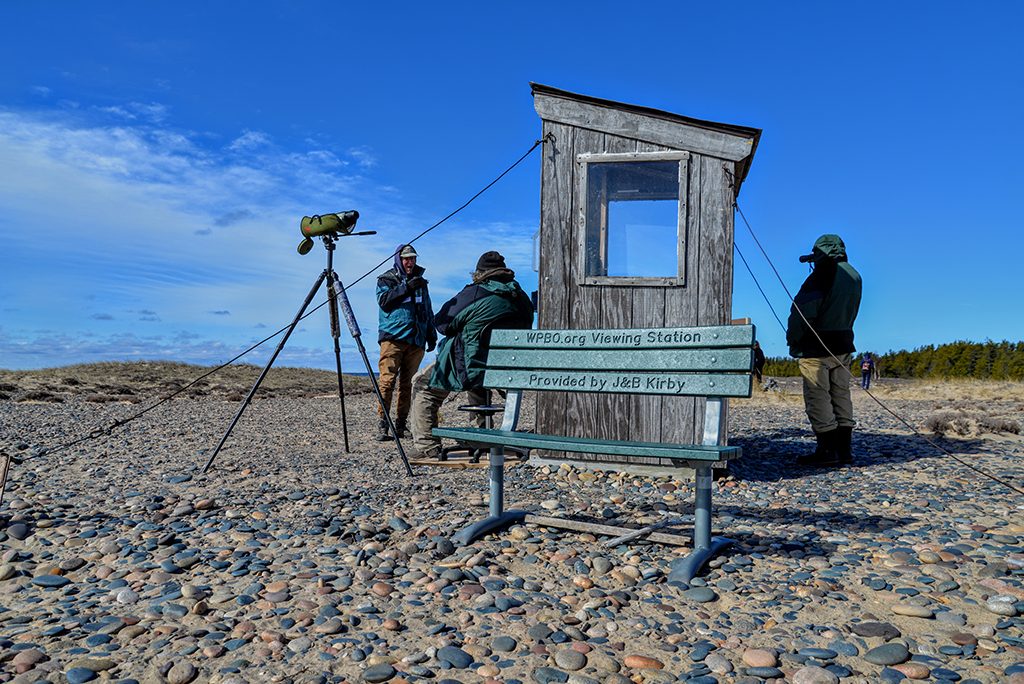
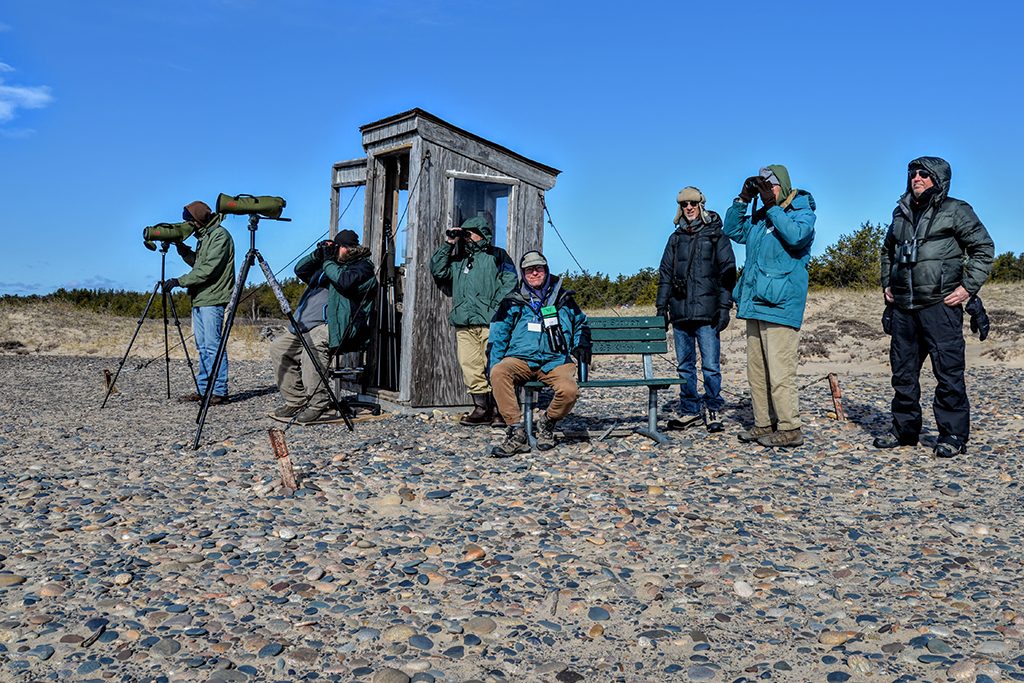
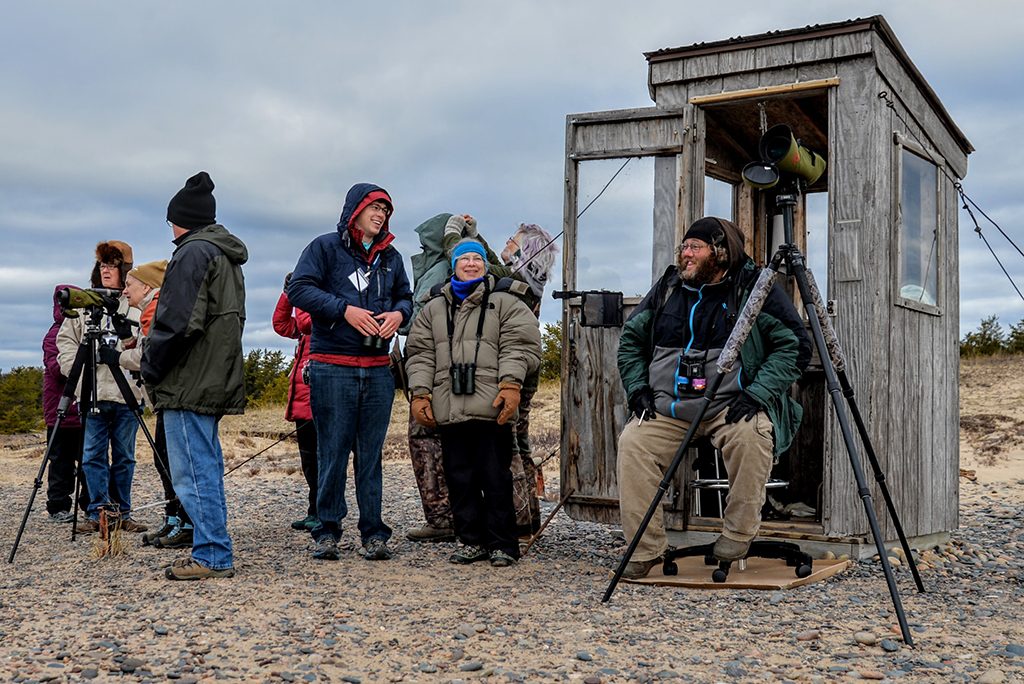
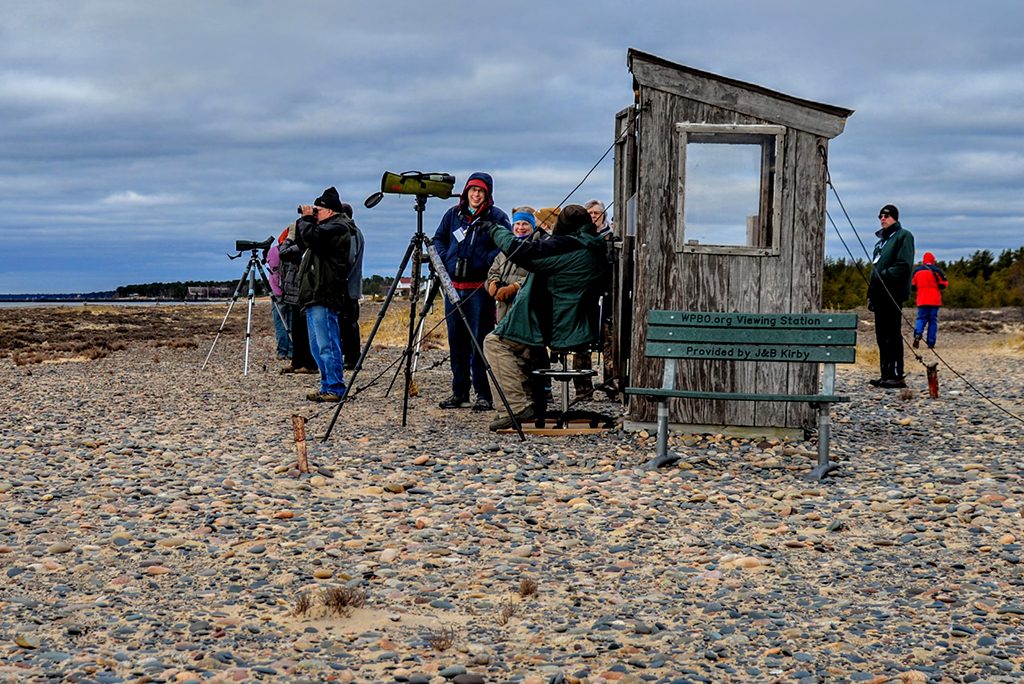
The waterbird count is conducted from the beach near the tip of the Point. Counting waterbirds is rather straightforward compared to counting other birds, as waterbirds tend to migrate directly, and aside from a few exceptions, rarely linger. Most birds typically migrate from southeast to northwest in spring and the opposite direction in fall. Therefore, any birds seen migrating in the appropriate direction are counted. Individuals are not subtracted from the count if migrating in the wrong direction.
The goal of the census is to quantify the chronology and volume of migrating waterbirds in the Whitefish Point Migratory Corridor. Interpreting the waterbird data, like all bird censuses, must be done in the long term. Unlike the hawk count, in which weather can have a tremendous effect on the ability of the birds to reach the Point, visibility is the prime concern during waterbird counts. Some of the most inclement days have had some of the highest numbers of migrating waterbirds, but if it is foggy the ability to detect the passing migrants can be challenging.