The last week at Whitefish Point has been pretty slow overall, with a lot of strong winds and rain that has kept migration to a minimum. Strong 40mph winds on the 10th brought in our first Black-legged Kittiwake of the season.
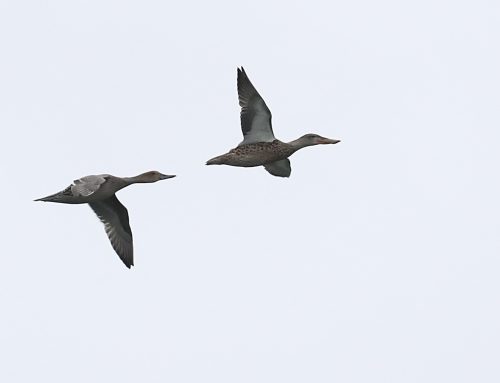
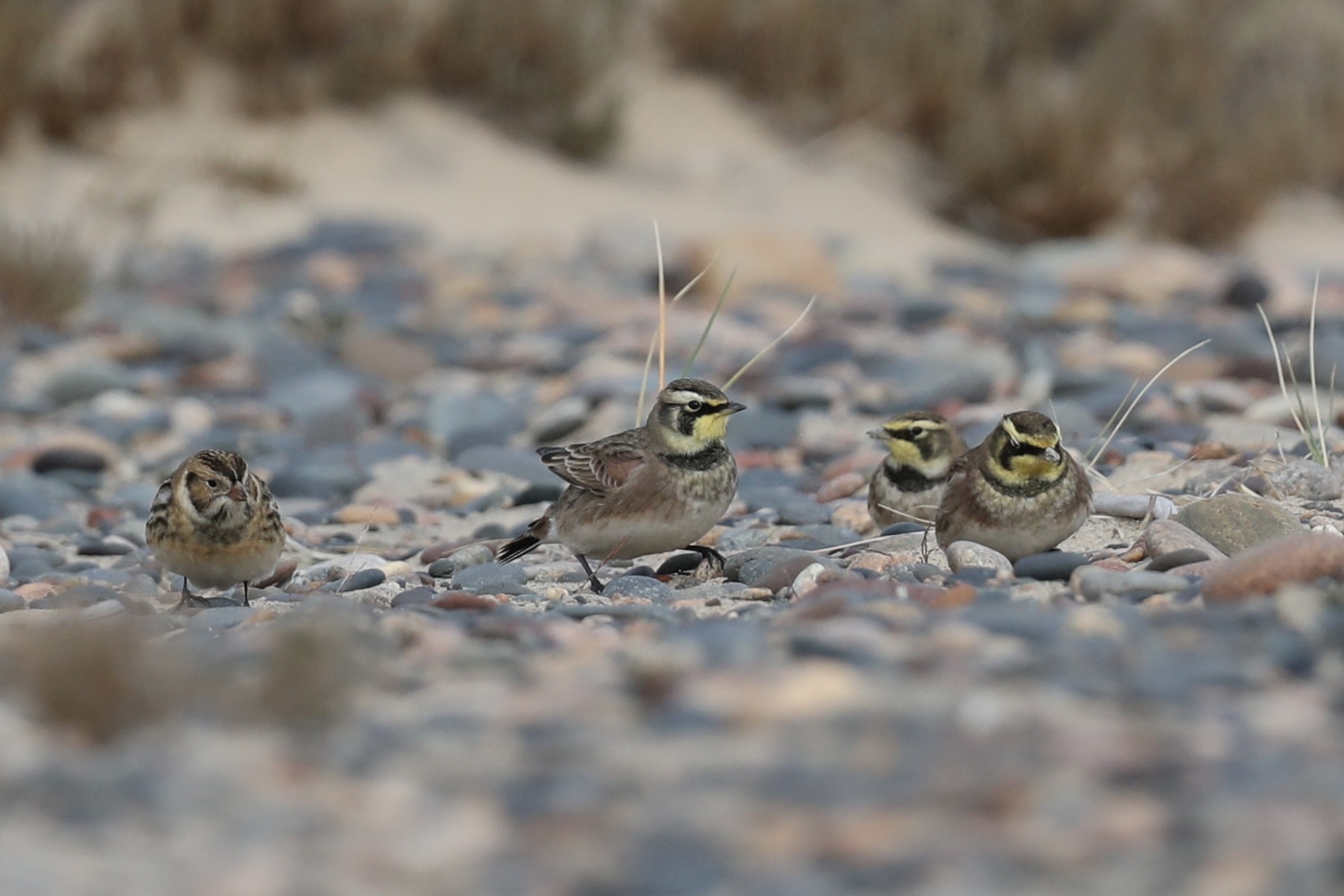
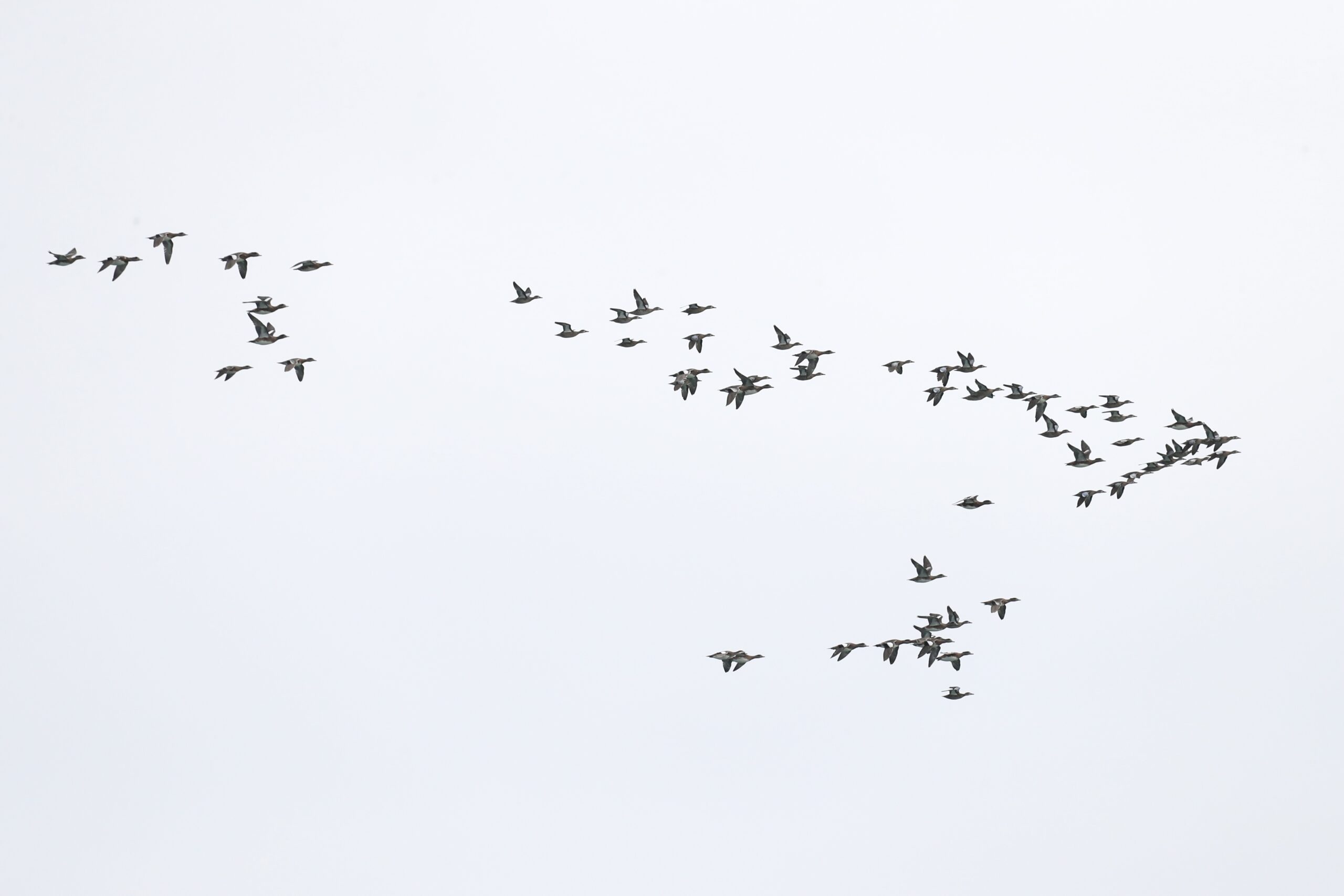
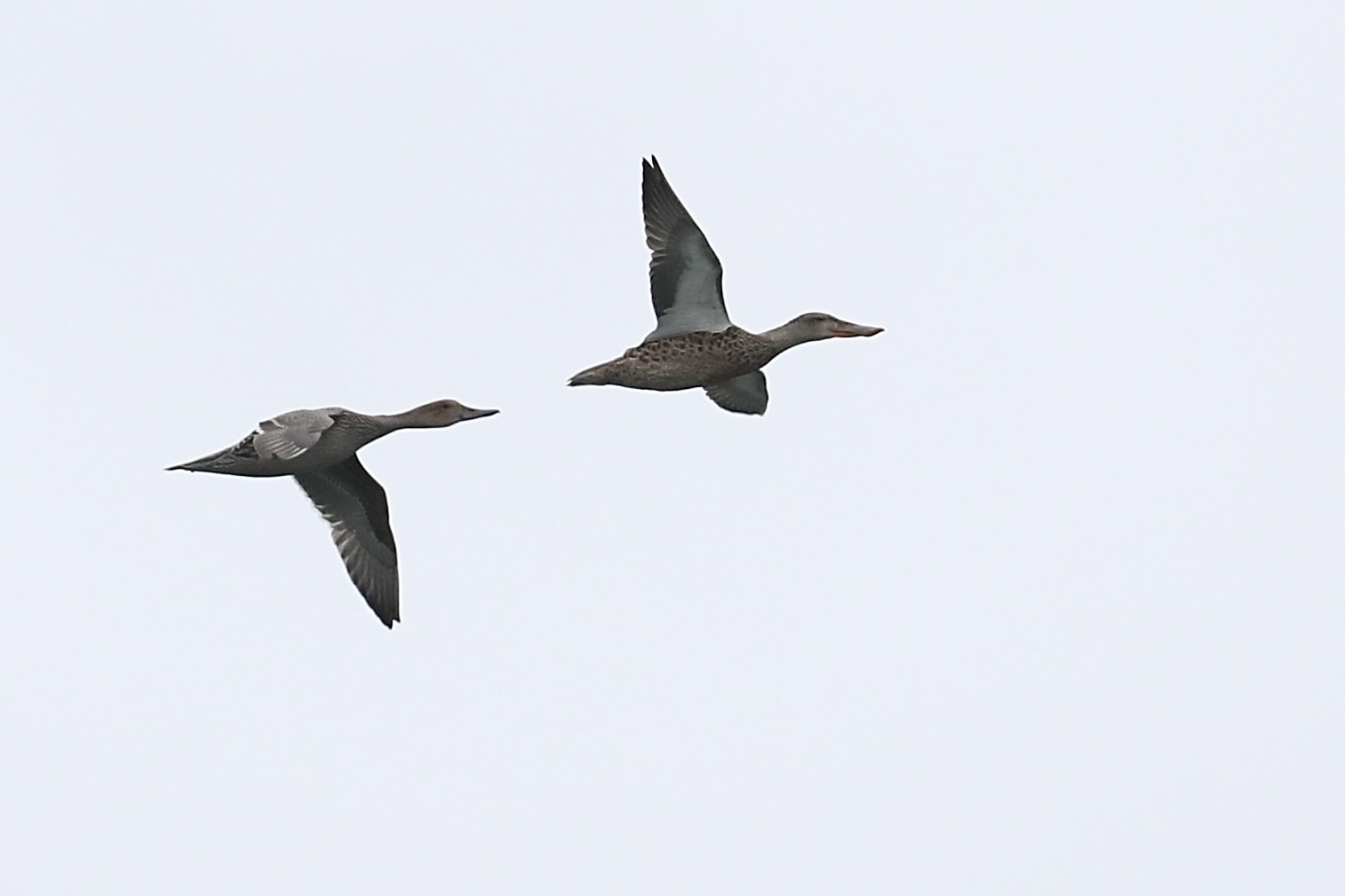
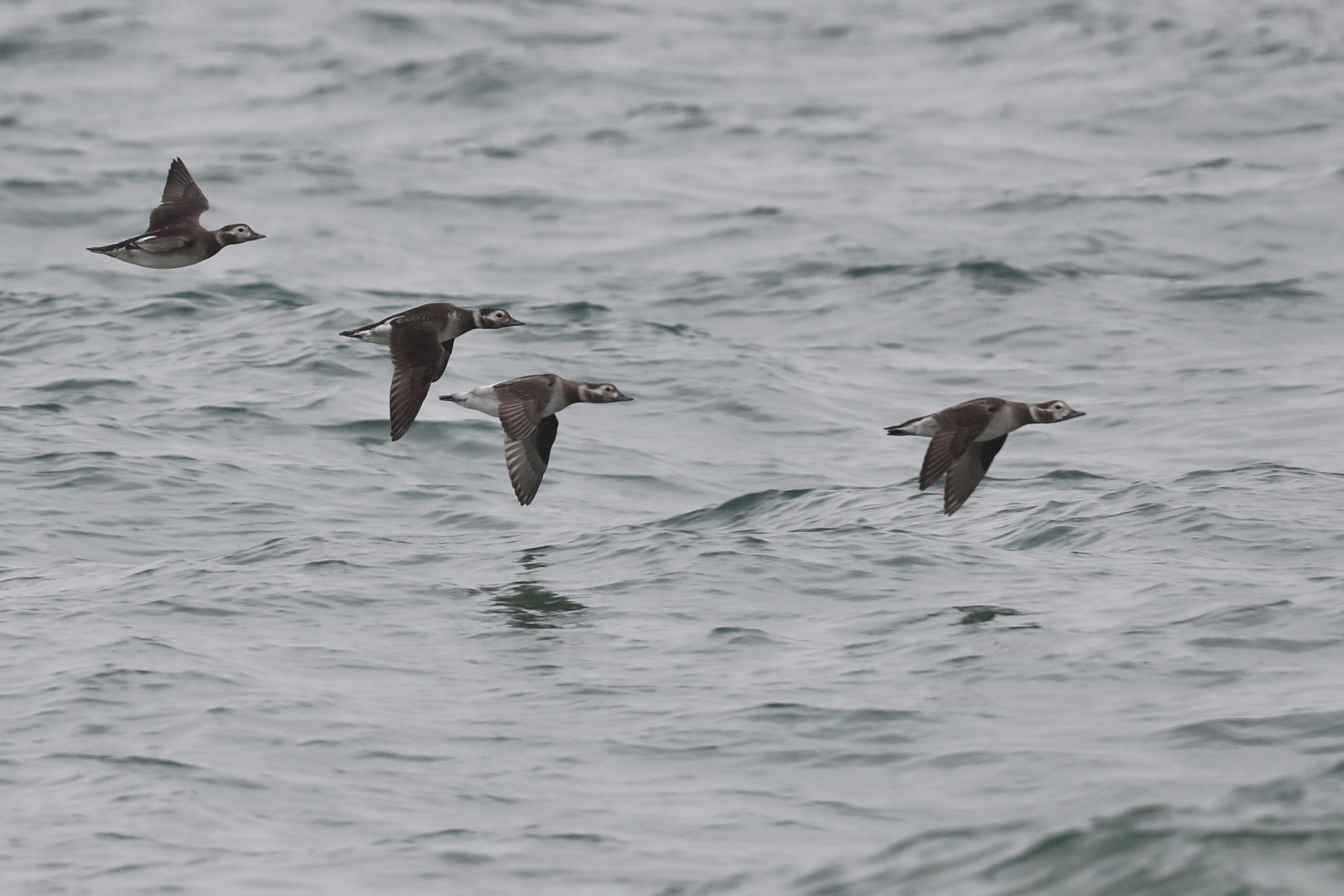
Luckily, just this past Tuesday, October 13th, we got a breakthrough with the first real flight in a week or more. We had well over 2,000 Long-tailed Ducks, 300 Red-breasted Mergansers, 50 White-winged Scoters, and a mix of dabblers including elevated numbers of Northern Pintail and Green-winged Teal. Highlights of the day included two different flocks of Snow Geese – less than annual visitors to Whitefish in the fall, and our second Pacific Loon of the season – a distant alternate bird. On the 11th, we had over 200 Redheads.
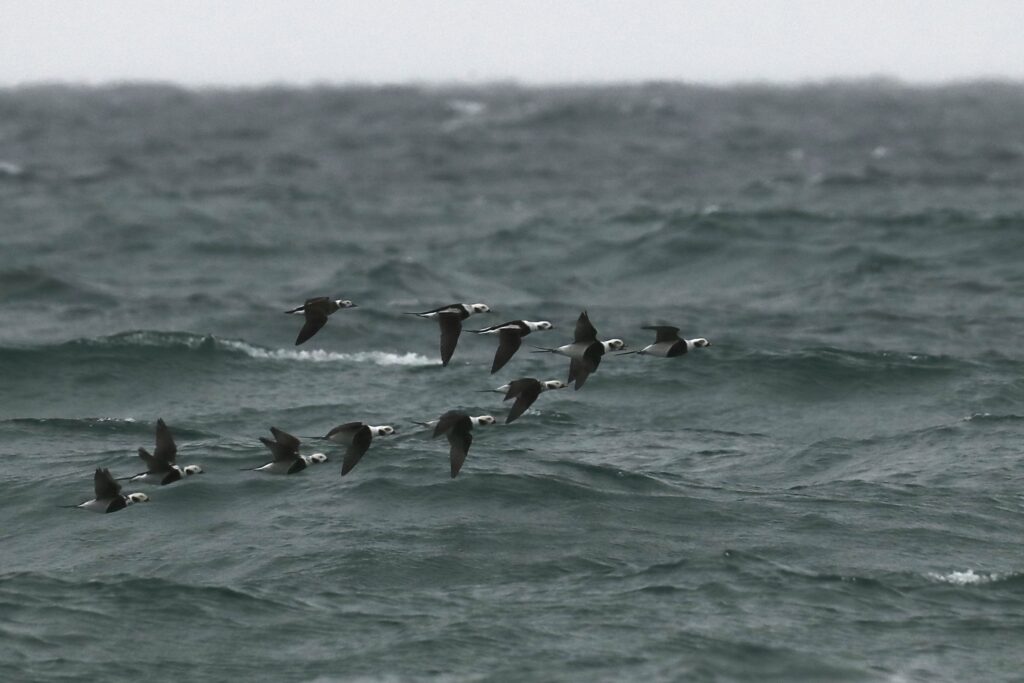
Long-tailed Ducks. Photo by Jack McDonough
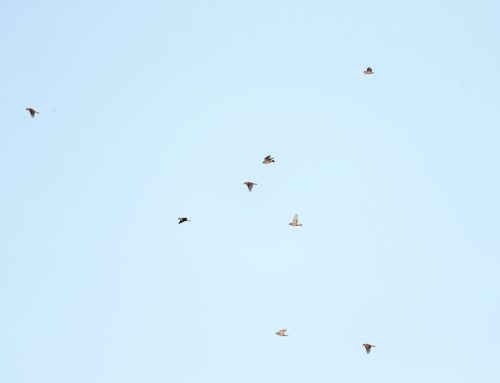
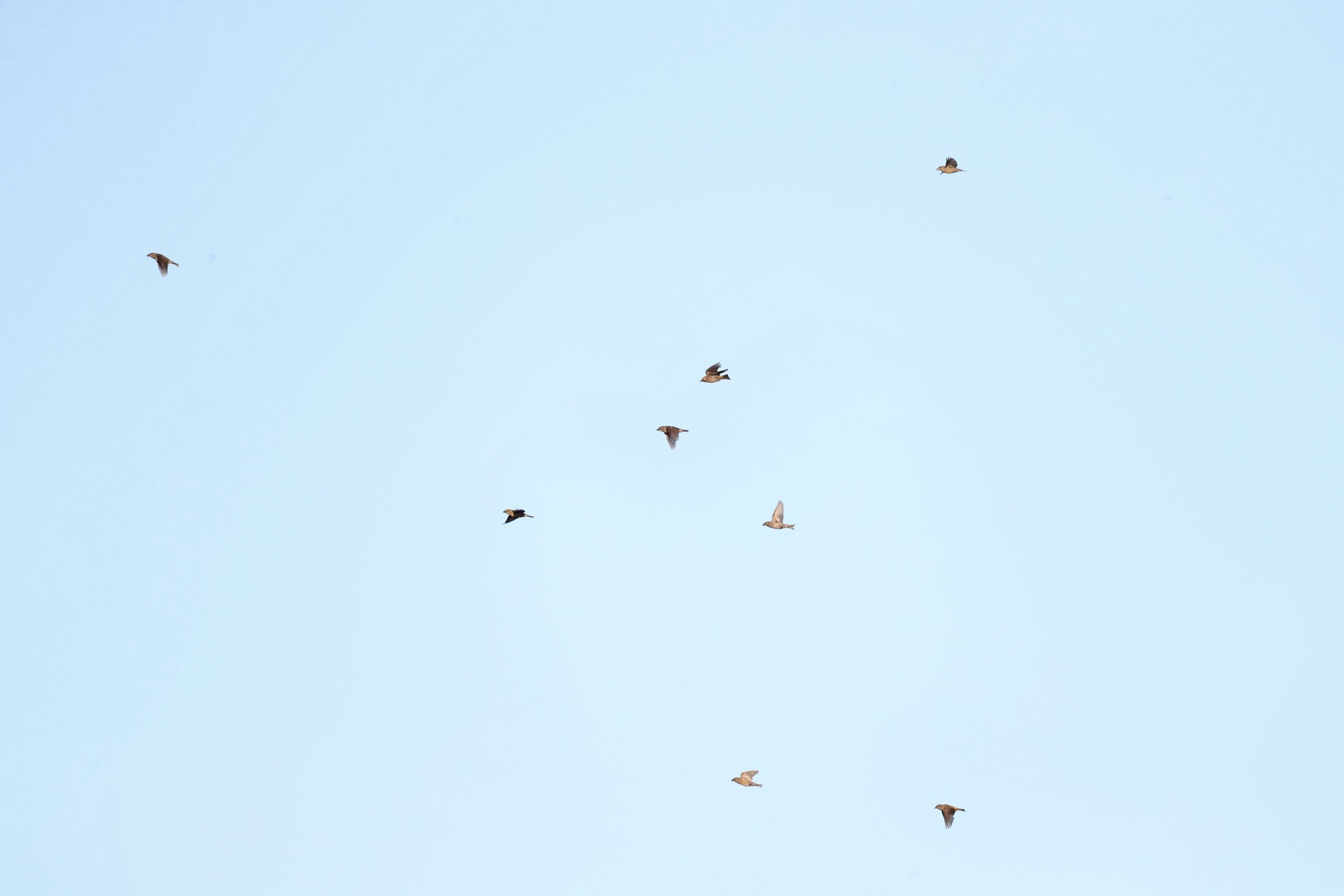
On the land bird front, we had 1,700 Pine Siskins fly over the Point in the biggest push they’ve made all season on the 11th. Purple Finches mixed in, as well as a handful of White-winged and Red Crossbills. We’ve had some late numbers of Blue-Gray Gnatcatchers.
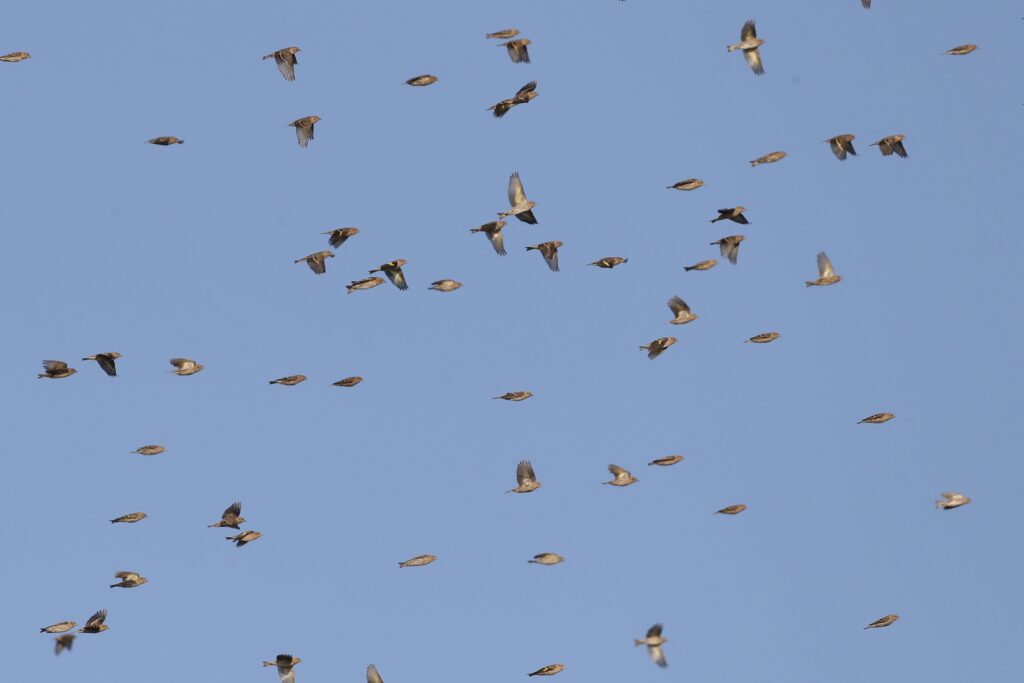
Pine Siskins. Jack McDonough
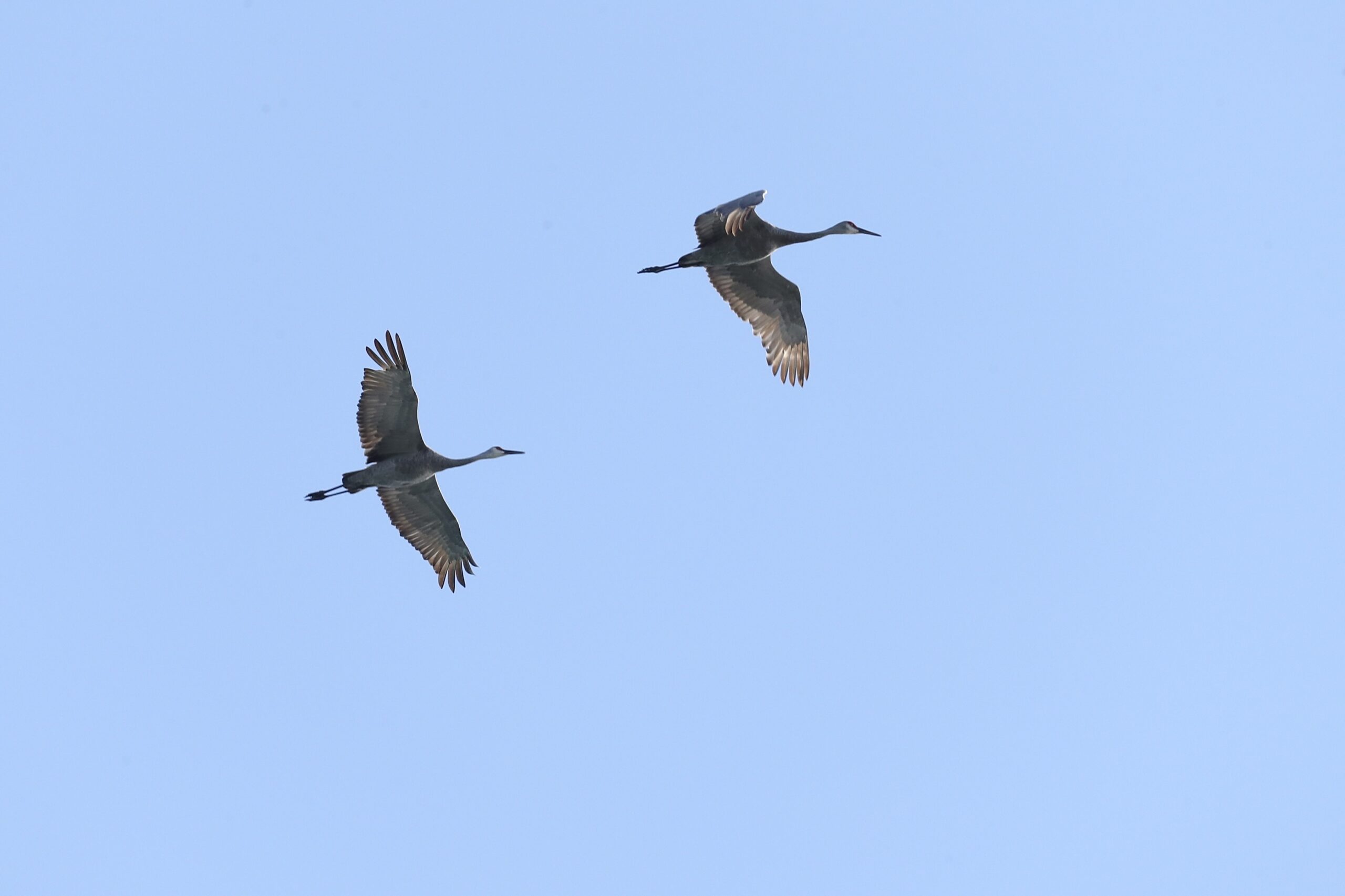
Back on October 7th, we had our first Bohemian Waxwing flyby the count that was later refound by Oliver near the feeders. We’ve also had some fairly consistent numbers of Peregrine Falcons and Northern Harriers coming in off the lake over the last two weeks.
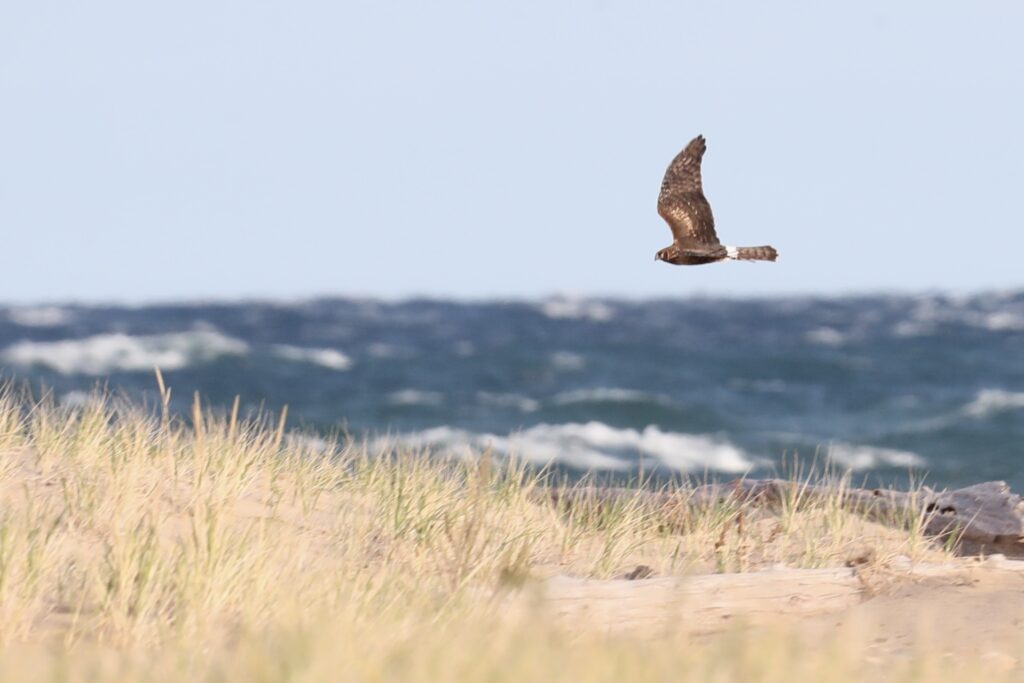
Northern Harrier coming in off the lake. Photo by Jack McDonough
Although it has been warm for October so far, it looks like temperatures are finally getting colder moving forward here with some snow today up in Ontario just north of the lake. Hopefully this will kick start some more consistent duck movement over the next week.
I hope to have a more updates for you all soon!
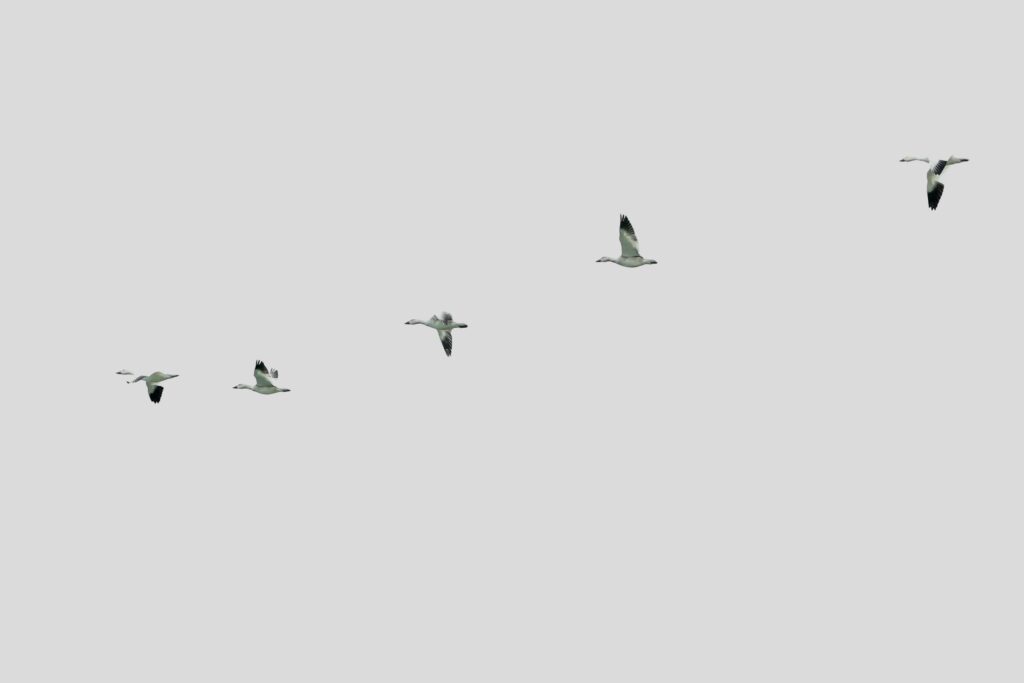
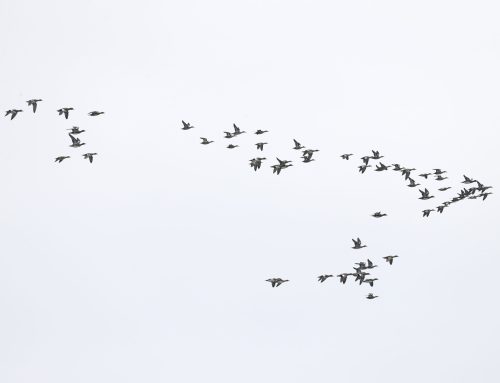
Snow Geese. Photo by Jack McDonough
Jack McDonough, Fall Waterbird Counter
Featured Photo: Female Long-tailed Ducks by J. McDonough
You can now see the waterbird count data on Trektellen! Check it out at trektellen.org/count/view/5727.
You can keep up with the 2026 Fall Waterbird Count by reading Jack’s weekly blog posts and following WPBO’s social media (Facebook, Instagram, and X). The fall waterbird count runs August 15 through November 15.
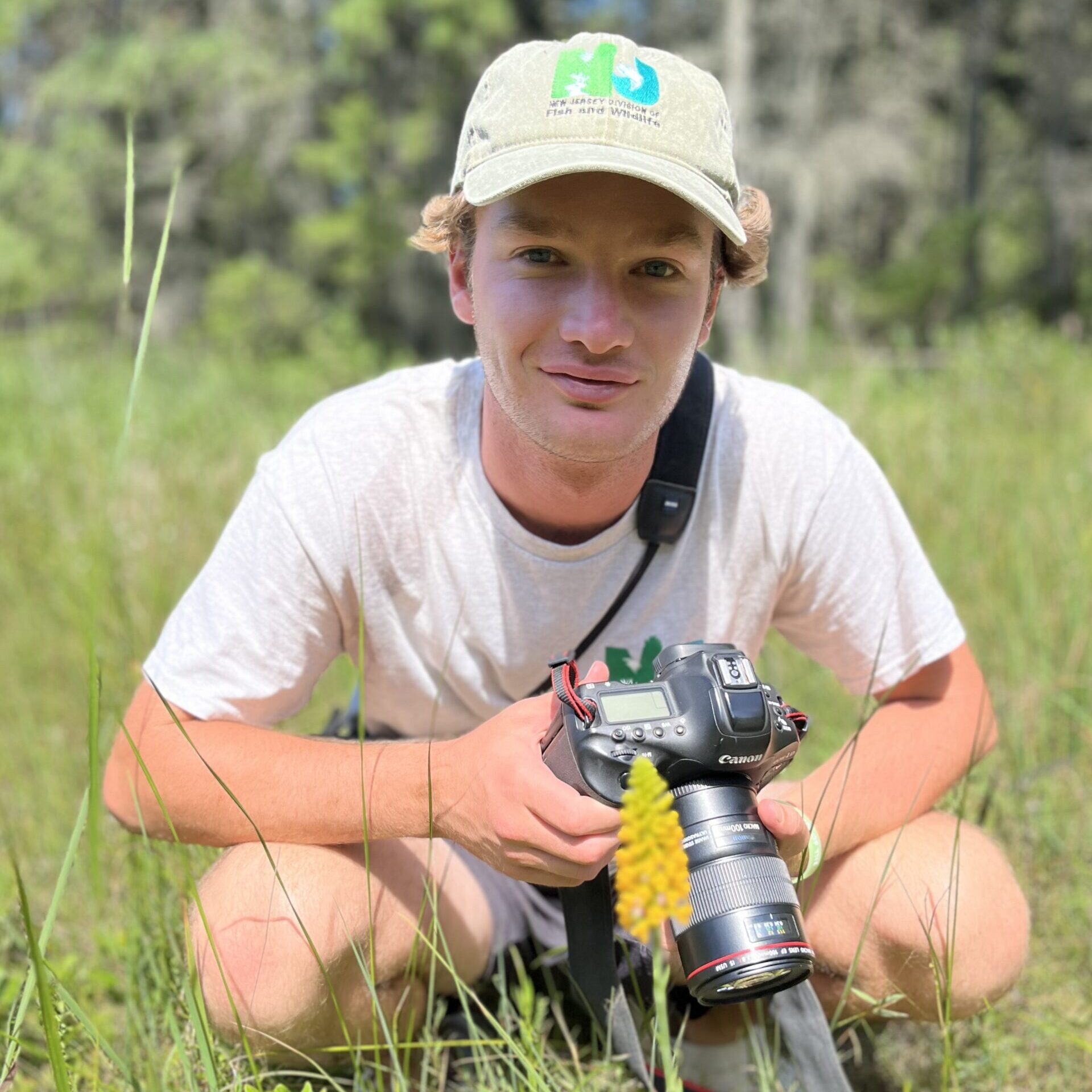
Jack McDonough: 2026 Fall Waterbird Counter
Jack grew up in Cape May, New Jersey, where he developed an early passion in life for anything migrating. At New Jersey Audubon’s Cape May Bird Observatory (CMBO), Jack worked for the Monarch Monitoring Project for six years and coordinated it for the last three. Jack was a migratory bird counter for two seasons for CMBO’s Springwatch project and was a swing counter for several fall counts such as CMBO’s Morning Flight, Avalon Seawatch, and Cape May Hawkwatch. Additionally for NJ Audubon, he preformed aerial imagery annotating for seabirds with USGS. Jack worked as a biologist for NJDEP Fish & Wildlife under the Endangered and NonGame Species Program for several years doing surveys and management work for state-listed species. Owning his own business in ecological consulting and biological monitoring, Jack has worked across Nevada and California in the past year. He spends most of his free time out in nature, studying behavioral ecology through the arts.