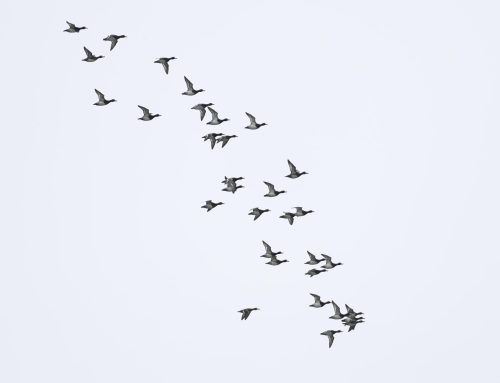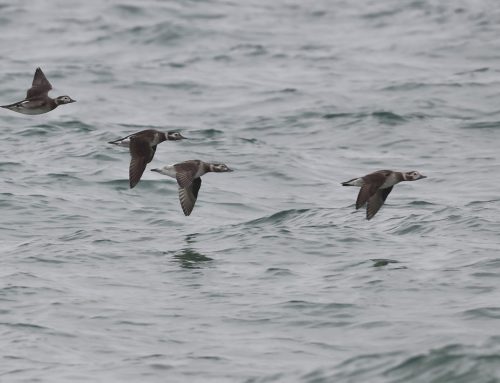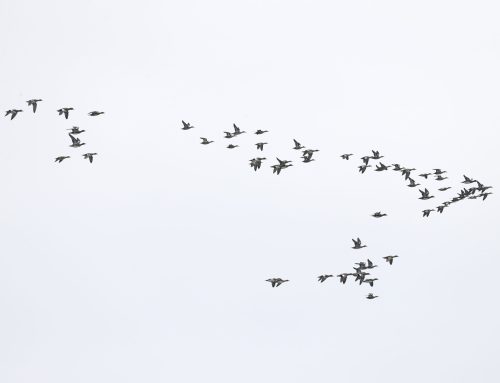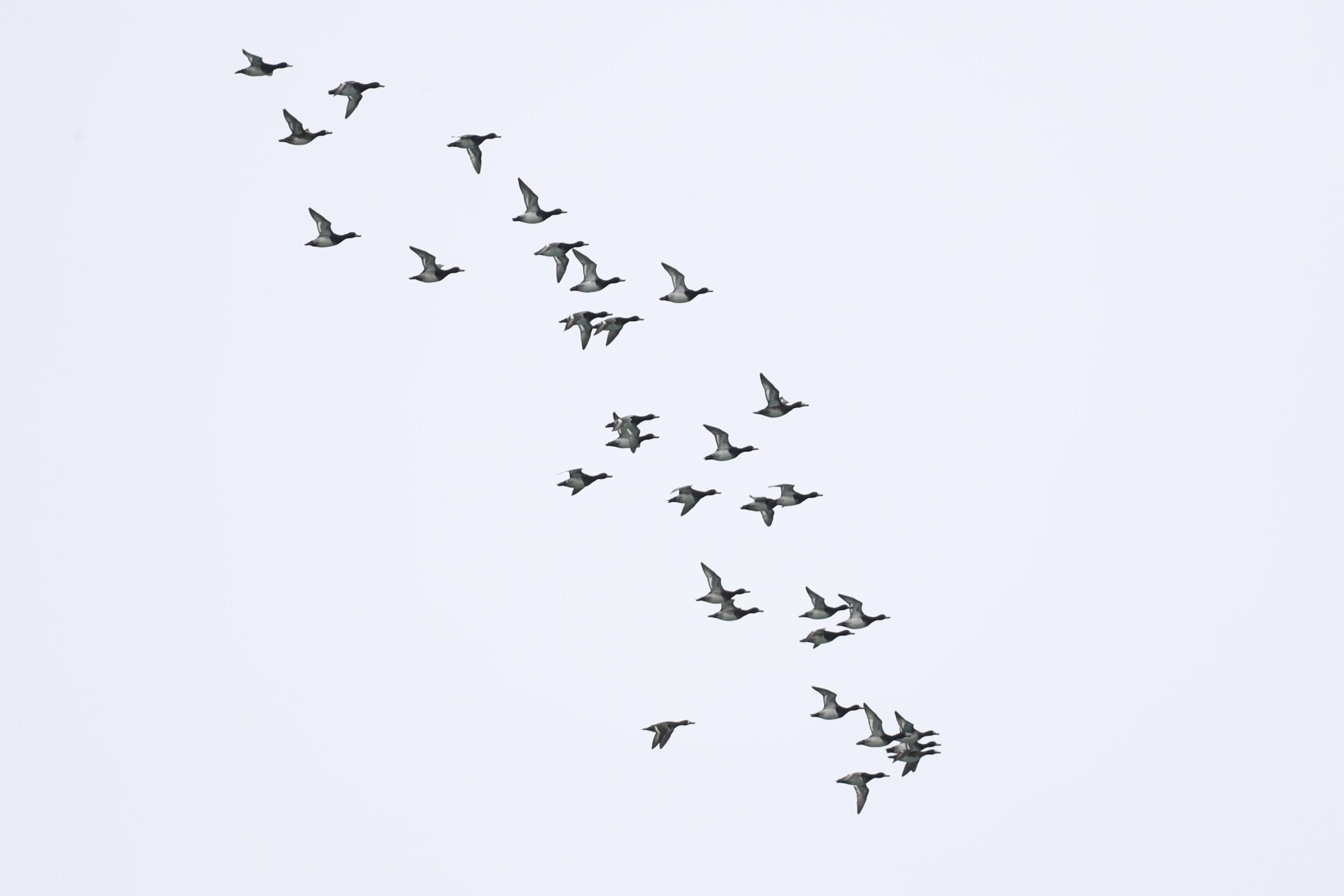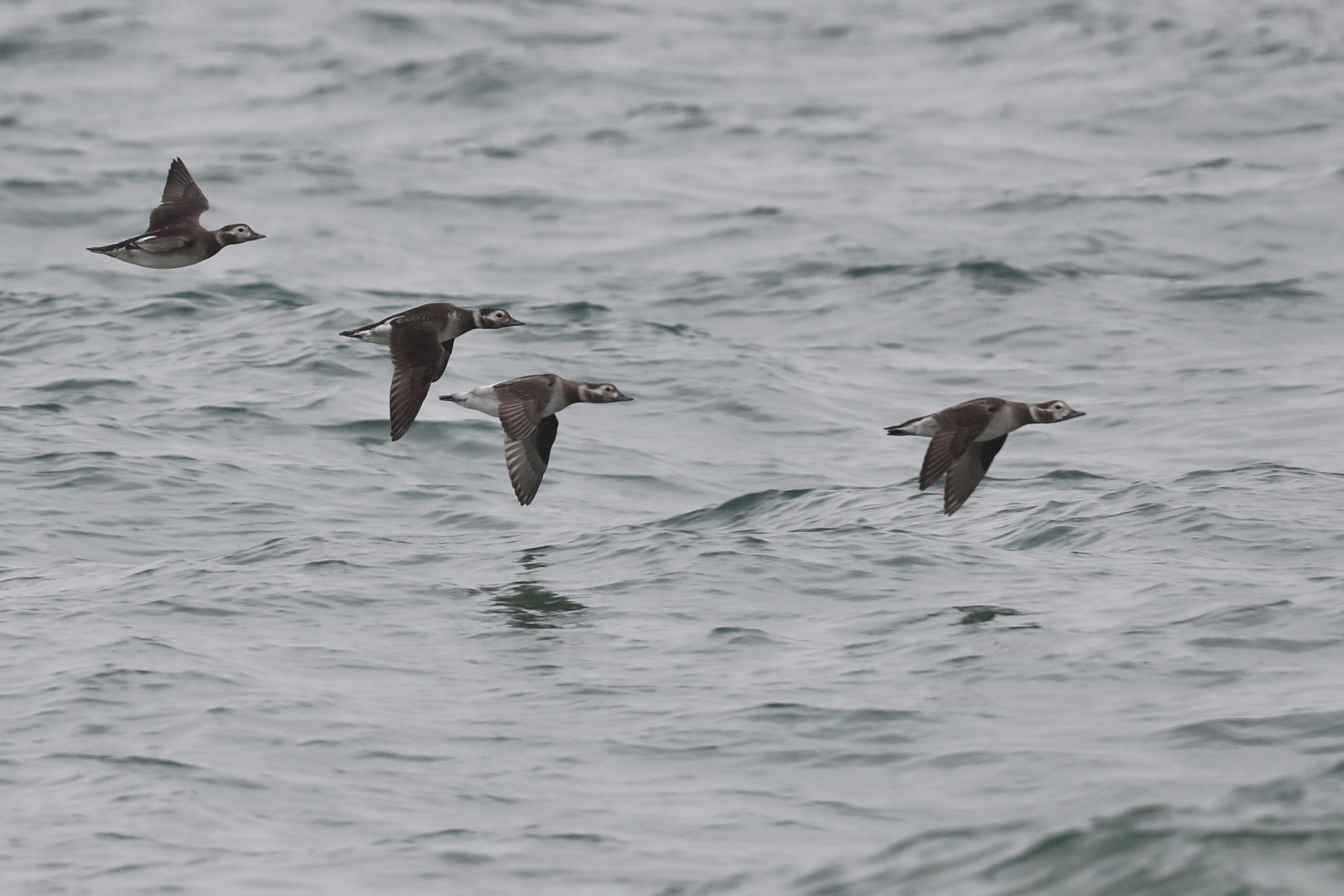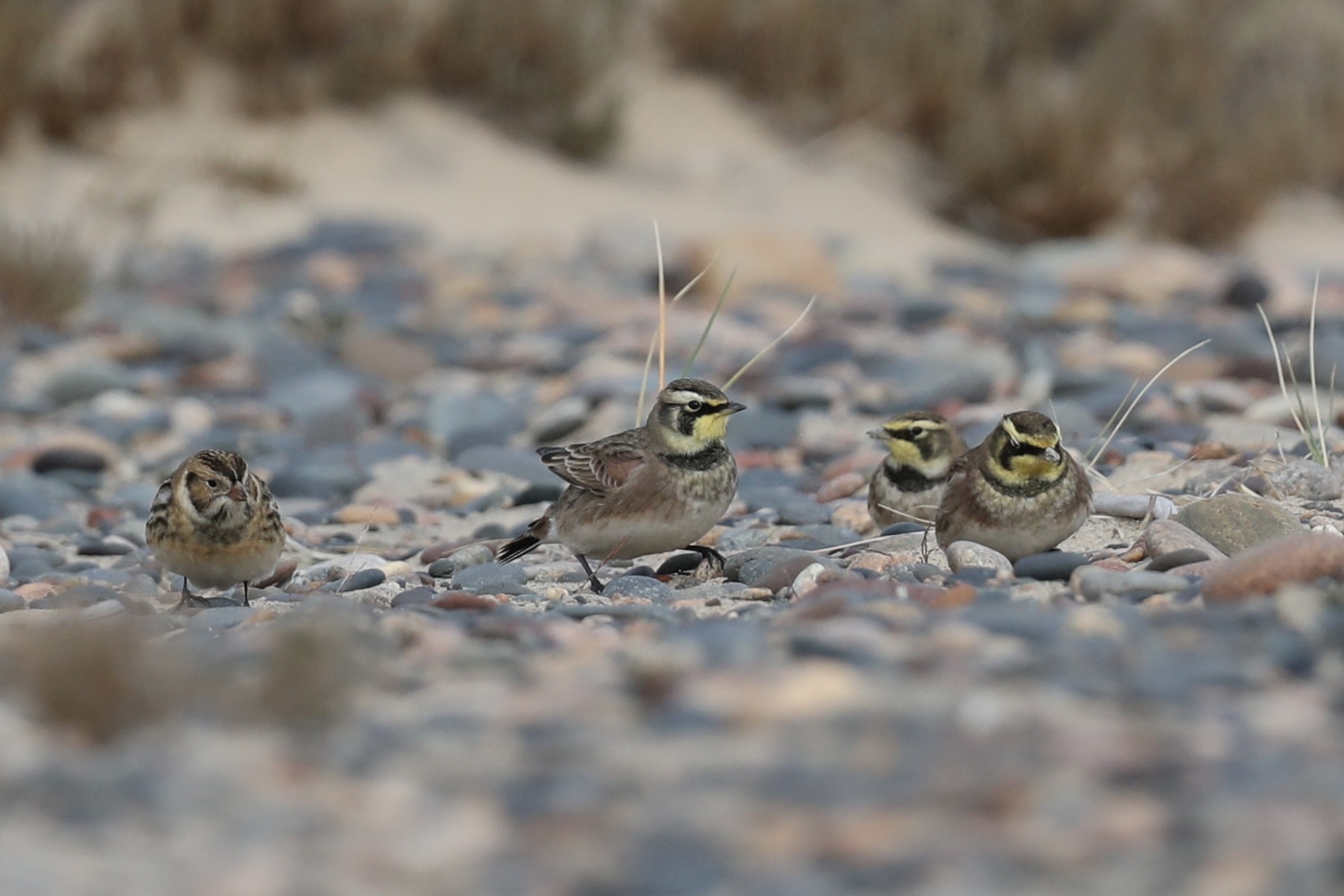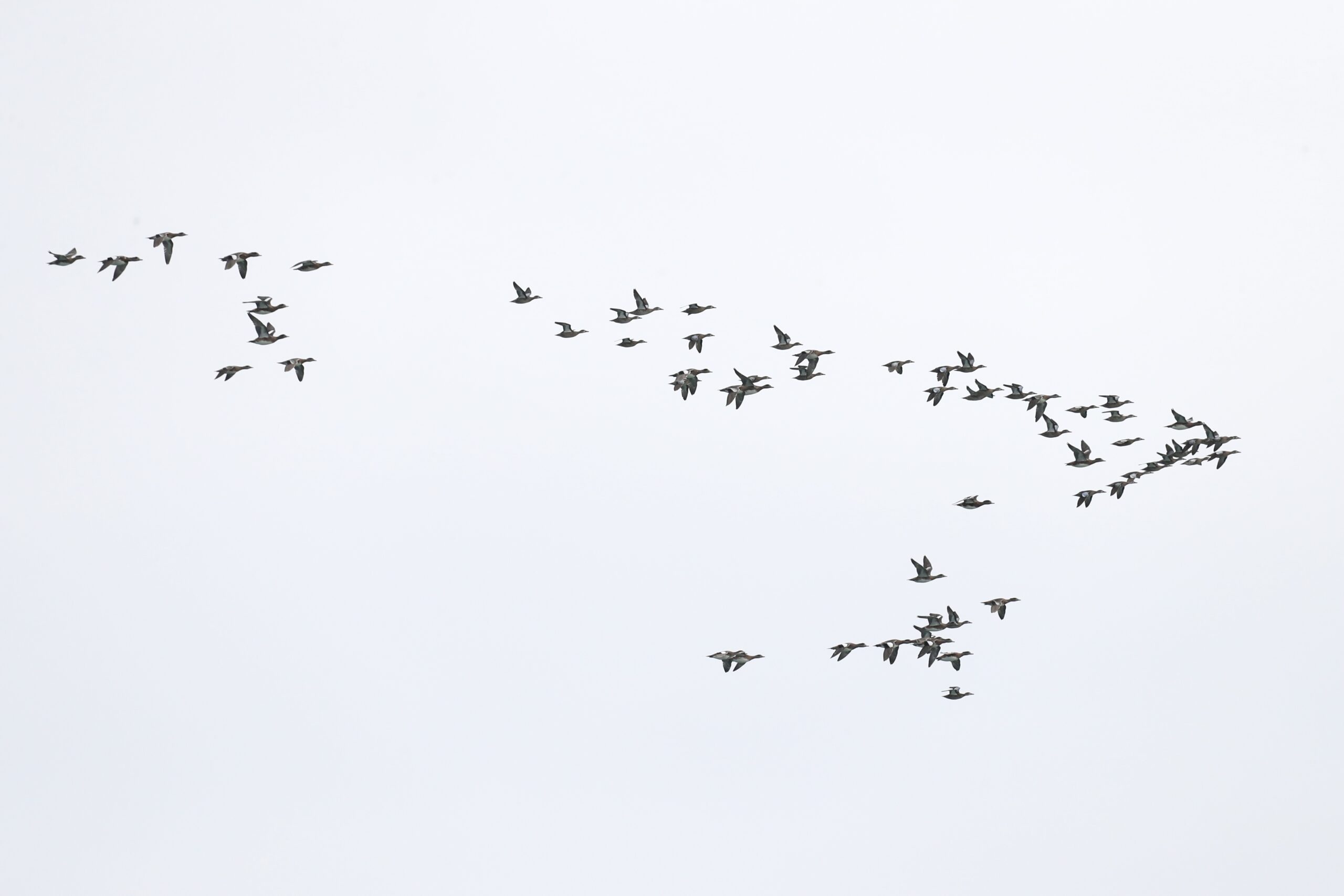
As we enter into the first few days of November, this El Nino year becomes more and more noticeable on Lake Superior. Consistent southerly winds and unseasonably warm weather has changed much of our outlook for the last two weeks of the count. With dozens of Spring Peepers still singing around the Point, two late Monarchs on 10/28, and no frost in sight, if you squint your eyes enough it could be April. Relentless southeast winds have kept waterbird numbers low for this time of the year. It is prime time for Long-tailed Ducks, White-winged Scoters, Red-breasted Mergansers, Buffleheads, and Common Goldeneyes, but they may peak later than usual this fall. Or, we may just not get many in general, with smaller, inconsistent, more broad front movement rather than the typical big flights. We still have 12 days of the season yet, so we’ll see what happens on some approaching NW cold fronts.
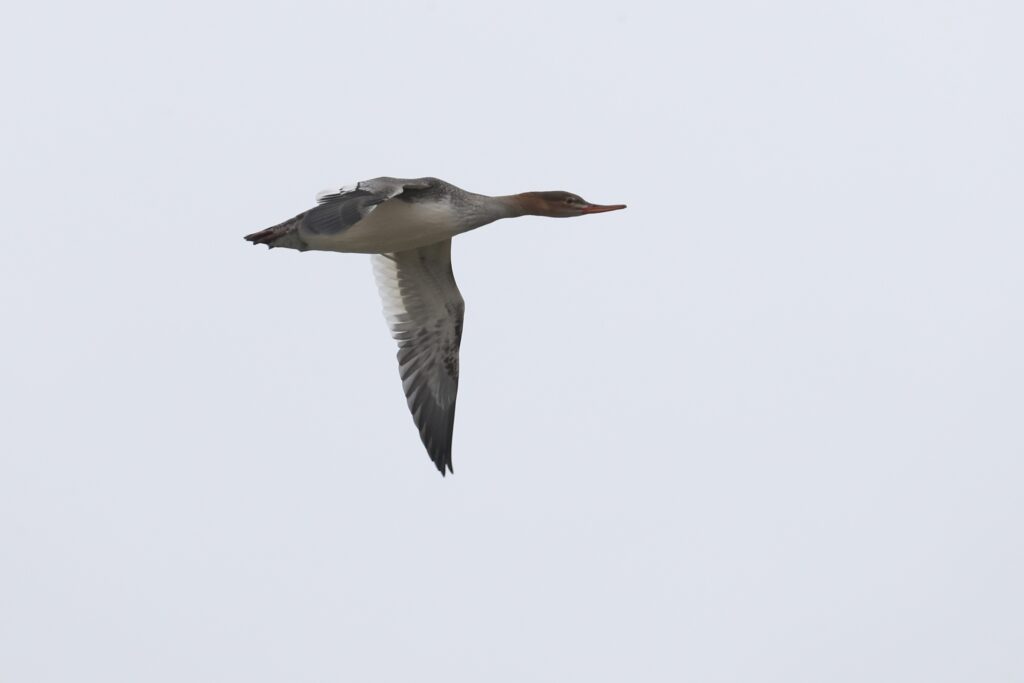
Red-breasted Merganser. Photo by Jack McDonough
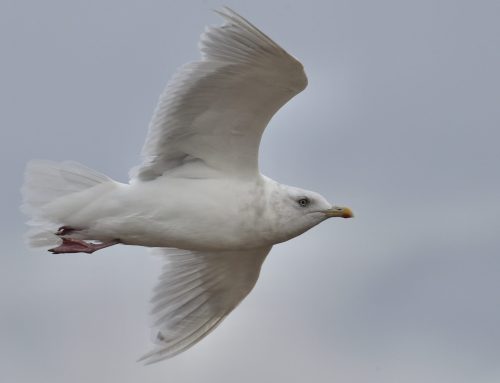
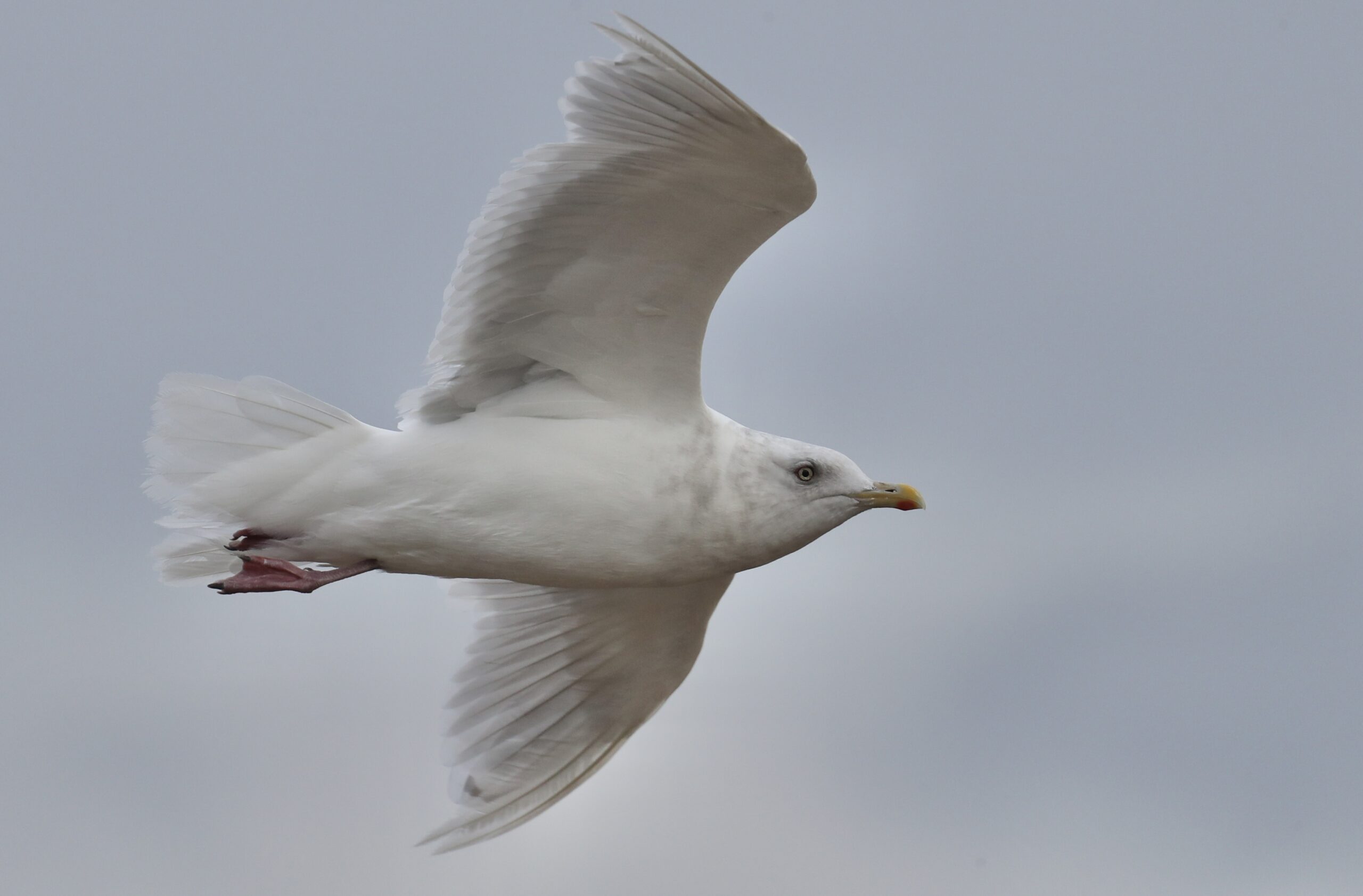
Aside from low numbers, the adult Kumlien’s Iceland Gull flew past the count on 10/28, as well as an amazing three Townsend’s Solitaires! Over 250 Snow Bunting came in off the lake as well that day. Back to back Black-legged Kittiwakes appeared on 10/29 and 10/30. The 30th also brought in an exciting Long-eared Owl in off the lake in the first hour. This was our first of the season for a migrant long-ear. In the last few days, American Herring Gulls have increased with movement as Ring-billed Gulls have mostly moved on. We hope to see a few more good gulls before the season closes out.
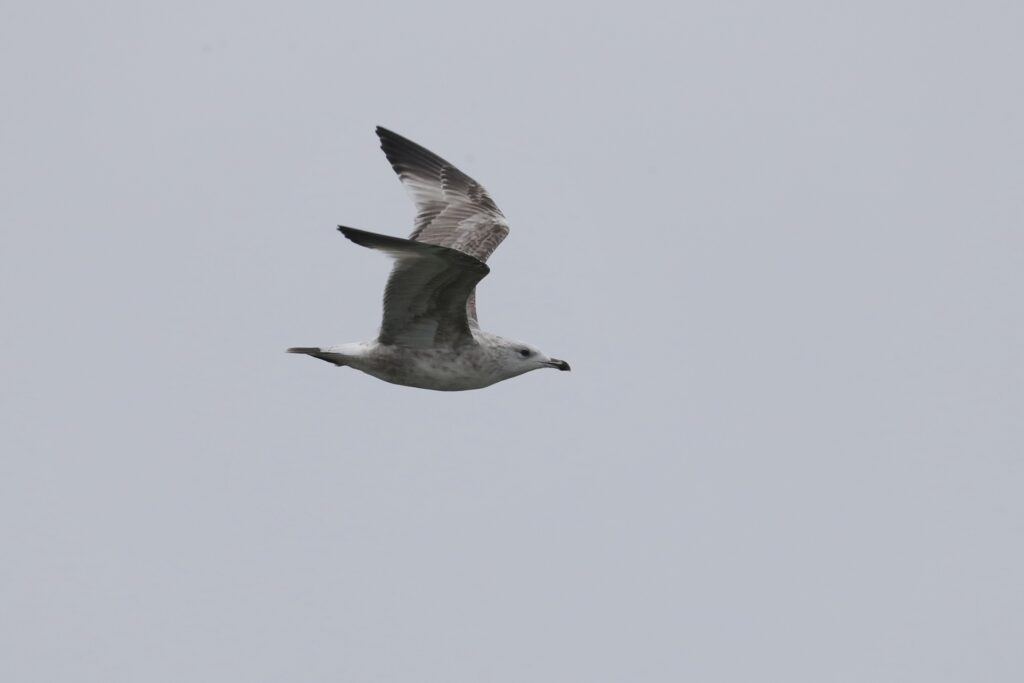
American Herring Gull. Photo by Jack McDonough
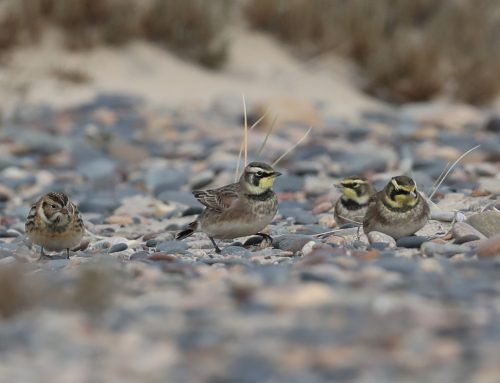
On the land bird front, things have been exciting. The Lake Superior region continues to have a huge irruption of Red Crossbills, as well as many other elevated numbers of finches. In a three day period from 10/31-Nov 1, 10k American Goldfinches were counted! Hundreds of Red Crossbills have been moving daily, as with lots of Pine Siskins, Purple Finches, some Evening and Pine Grosbeaks, and Bohemian Waxwings. Finches have finally been visiting the feeders as of recently. However, the berry and cone crop is so good this fall in the UP that most finches are still feeding naturally. American Goldfinches have been enjoying the alder catkins around the Point recently.
Till next time! We hope to have more ducks soon.
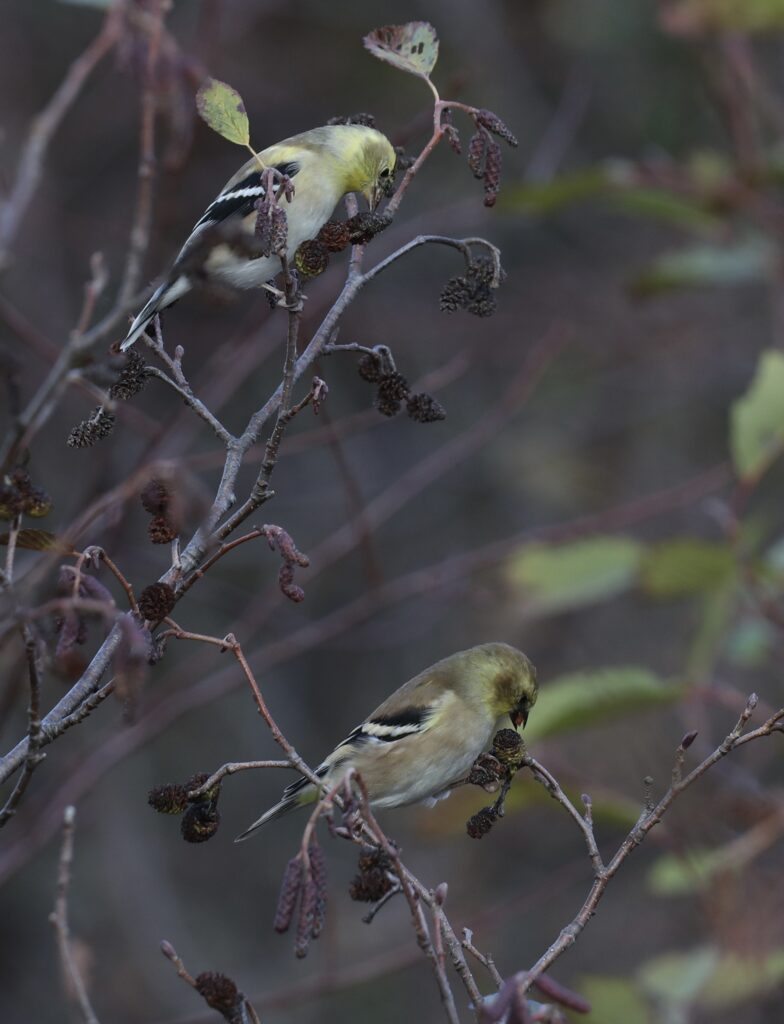
American Goldfinches. Photo by Jack McDonough
Jack McDonough, Fall Waterbird Counter
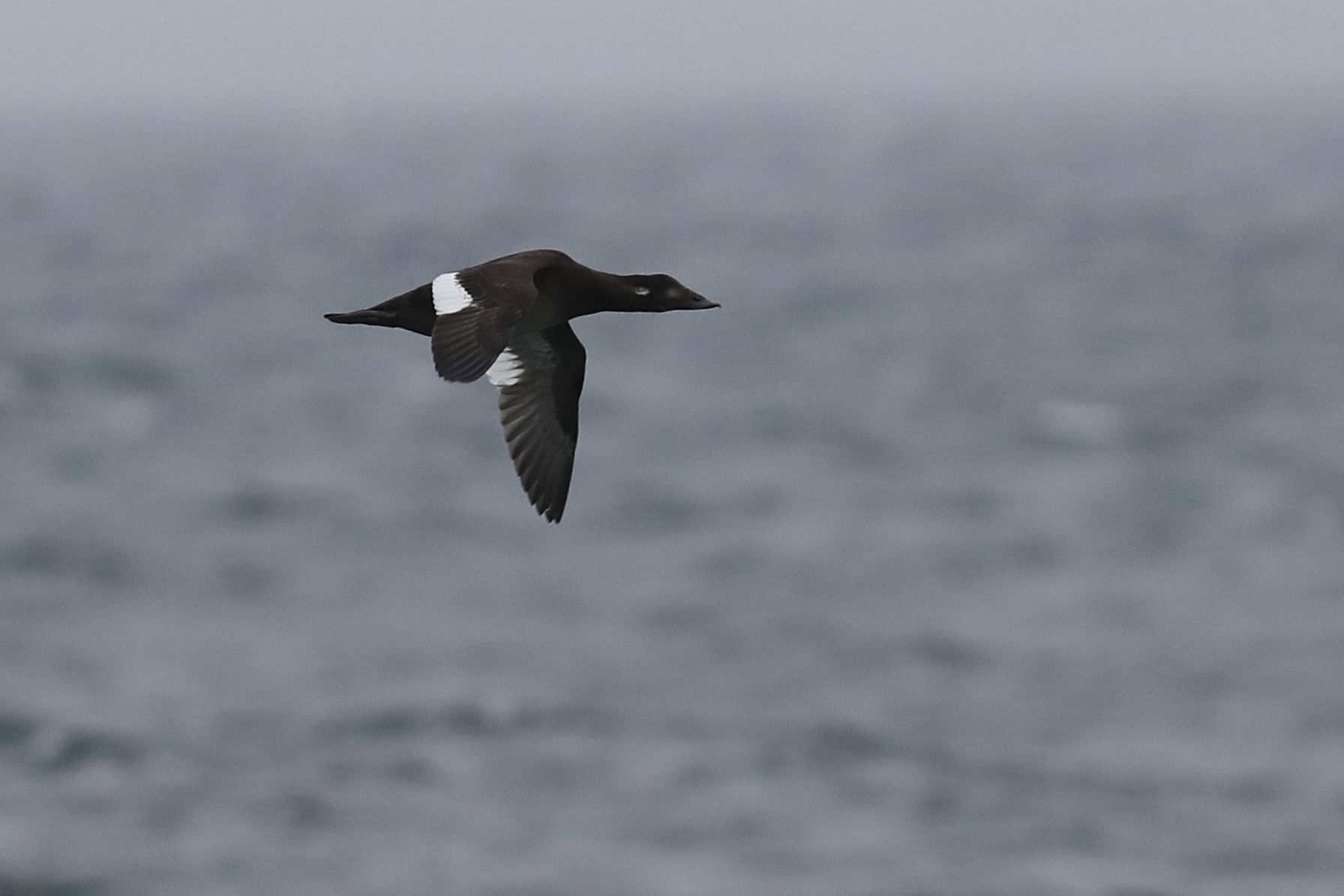
Featured Photo: White-winged Scoter by J. McDonough
You can now see the waterbird count data on Trektellen! Check it out at trektellen.org/count/view/5727.
You can keep up with the 2026 Fall Waterbird Count by reading Jack’s weekly blog posts and following WPBO’s social media (Facebook, Instagram, and X). The fall waterbird count runs August 15 through November 15.
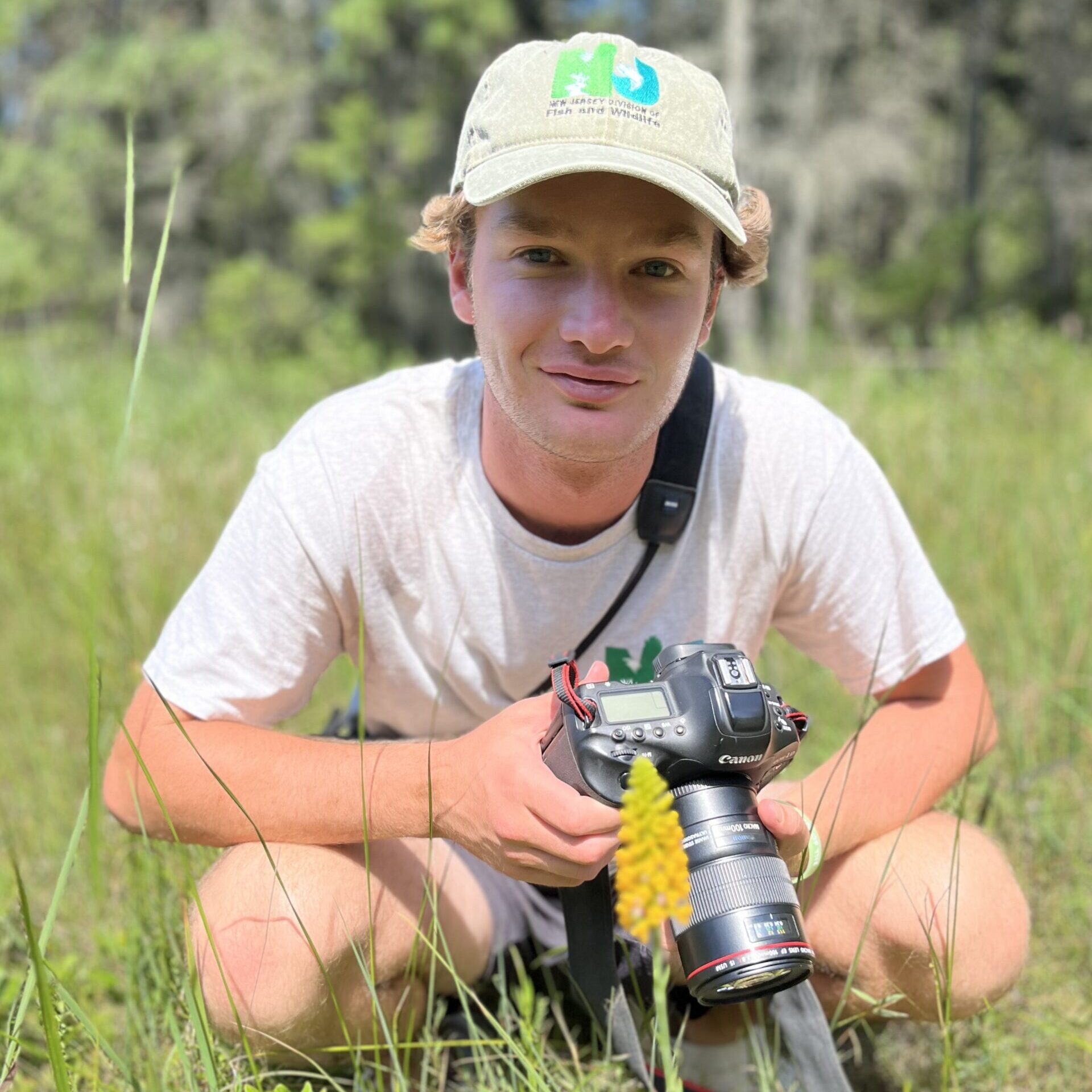
Jack McDonough: 2026 Fall Waterbird Counter
Jack grew up in Cape May, New Jersey, where he developed an early passion in life for anything migrating. At New Jersey Audubon’s Cape May Bird Observatory (CMBO), Jack worked for the Monarch Monitoring Project for six years and coordinated it for the last three. Jack was a migratory bird counter for two seasons for CMBO’s Springwatch project and was a swing counter for several fall counts such as CMBO’s Morning Flight, Avalon Seawatch, and Cape May Hawkwatch. Additionally for NJ Audubon, he preformed aerial imagery annotating for seabirds with USGS. Jack worked as a biologist for NJDEP Fish & Wildlife under the Endangered and NonGame Species Program for several years doing surveys and management work for state-listed species. Owning his own business in ecological consulting and biological monitoring, Jack has worked across Nevada and California in the past year. He spends most of his free time out in nature, studying behavioral ecology through the arts.