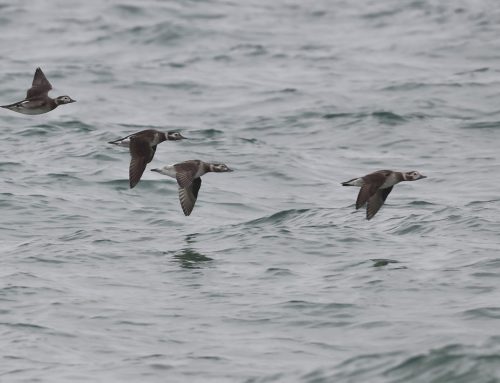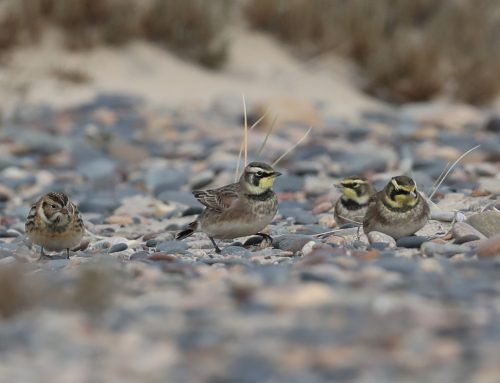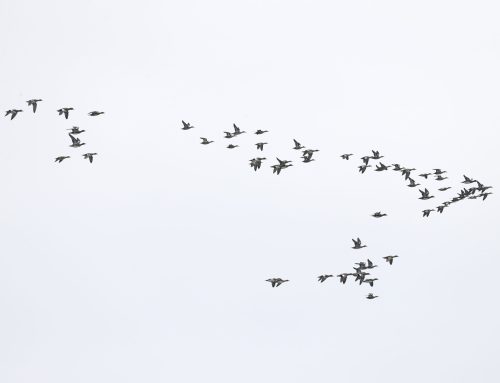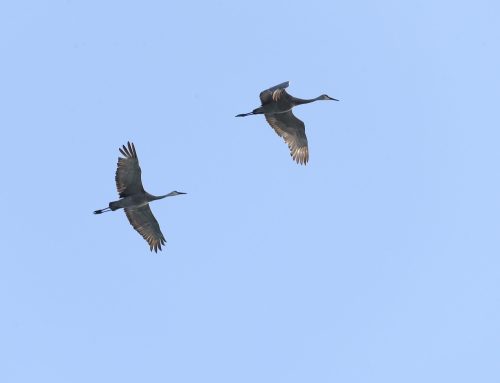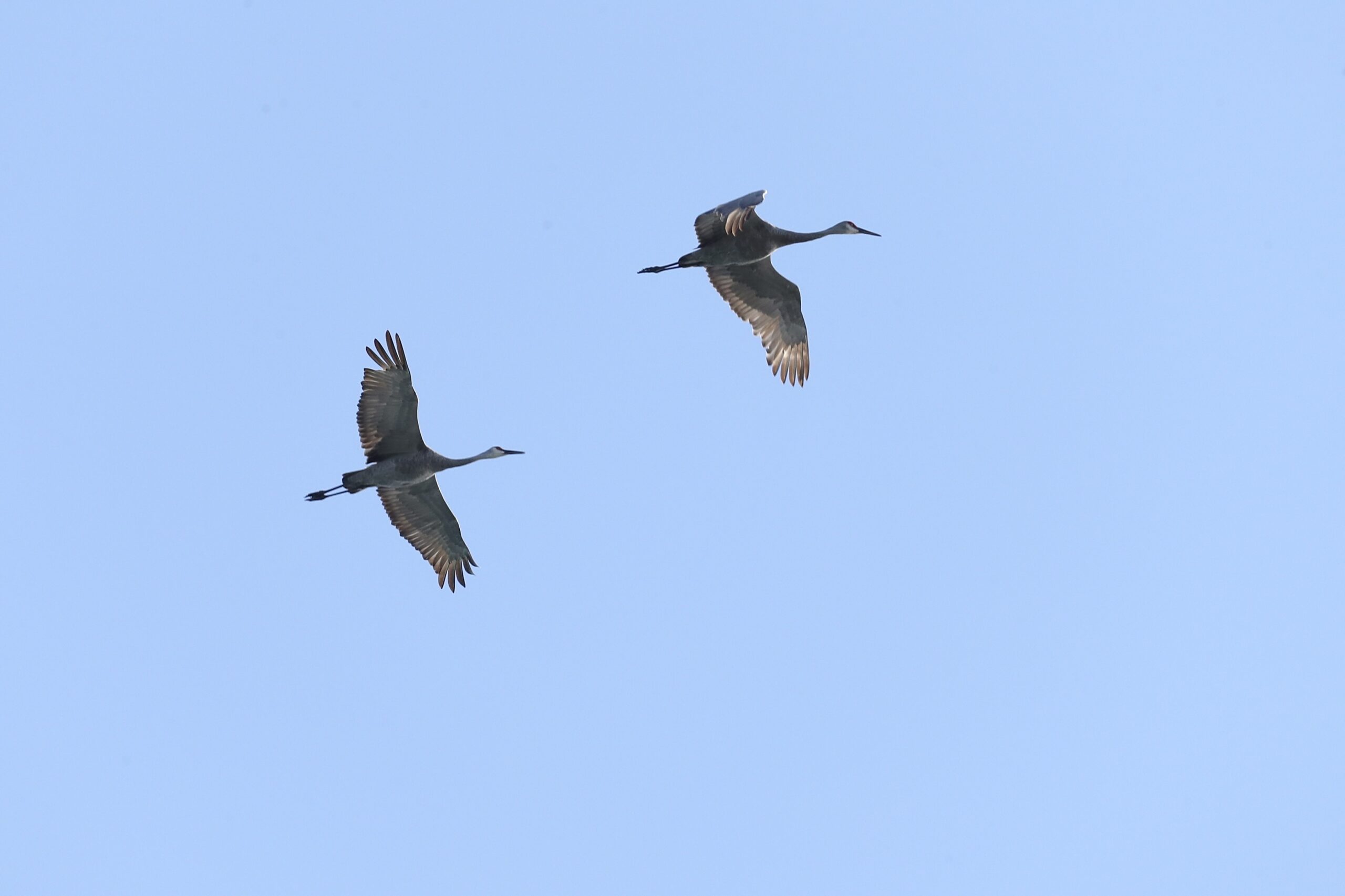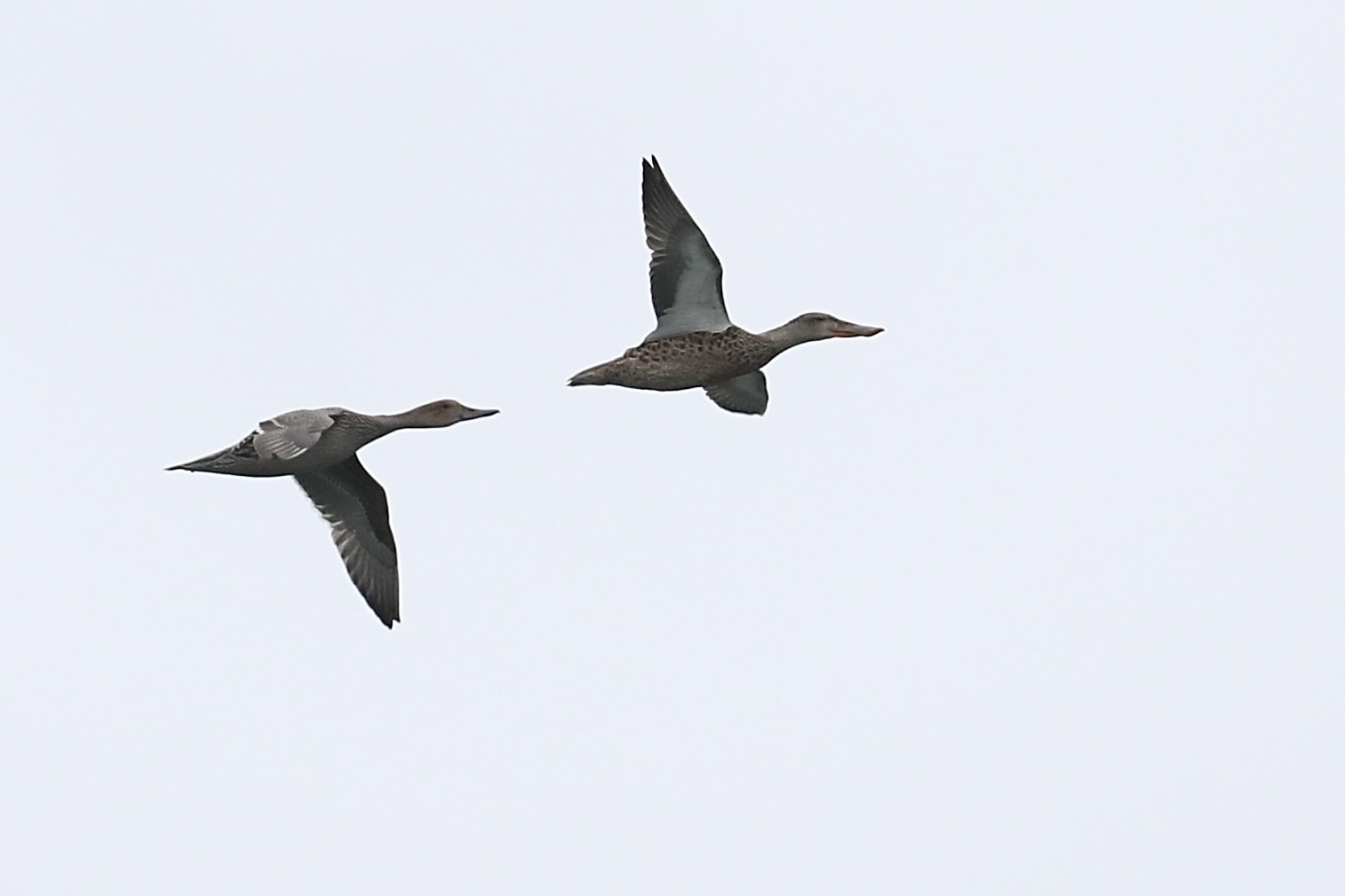
The first four days of the count this year have been off to a great start! On August 16, more than 200 Ring-billed Gulls moved past the Point, along with smaller numbers of American Herring and Bonaparte’s Gulls. A first-calendar-year Lesser Black-backed Gull was an uncommon sight among them. The first day of the count, August 15, also produced a brief pass of a Eurasian Tree Sparrow that was originally found the previous day at the Point feeders.
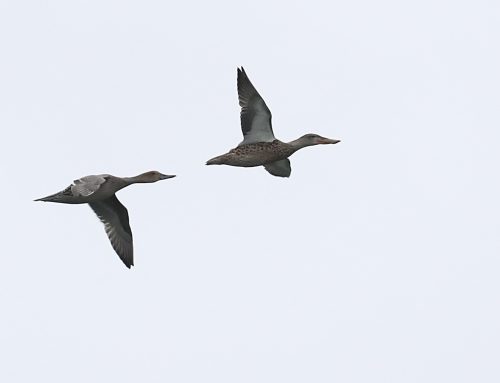
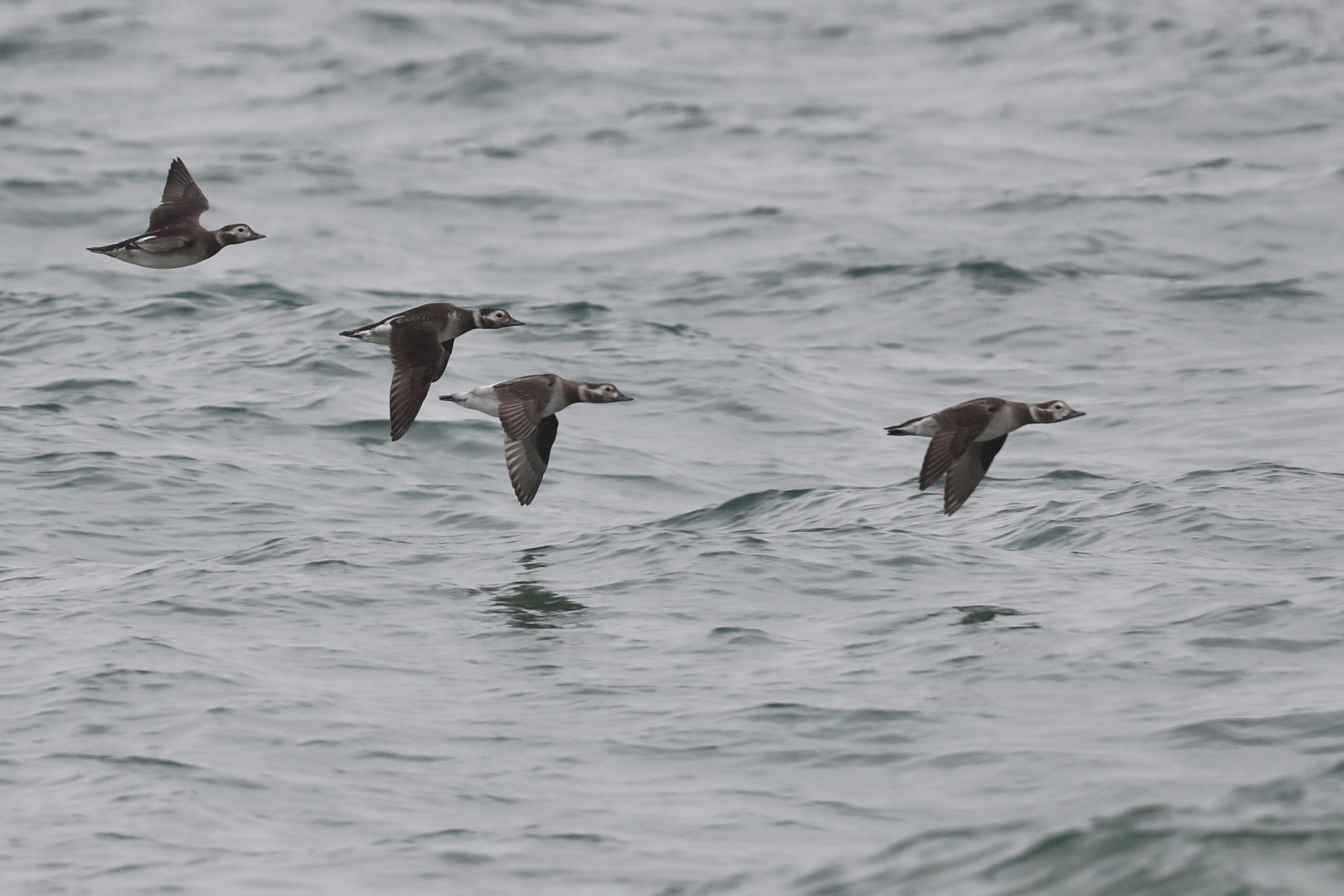
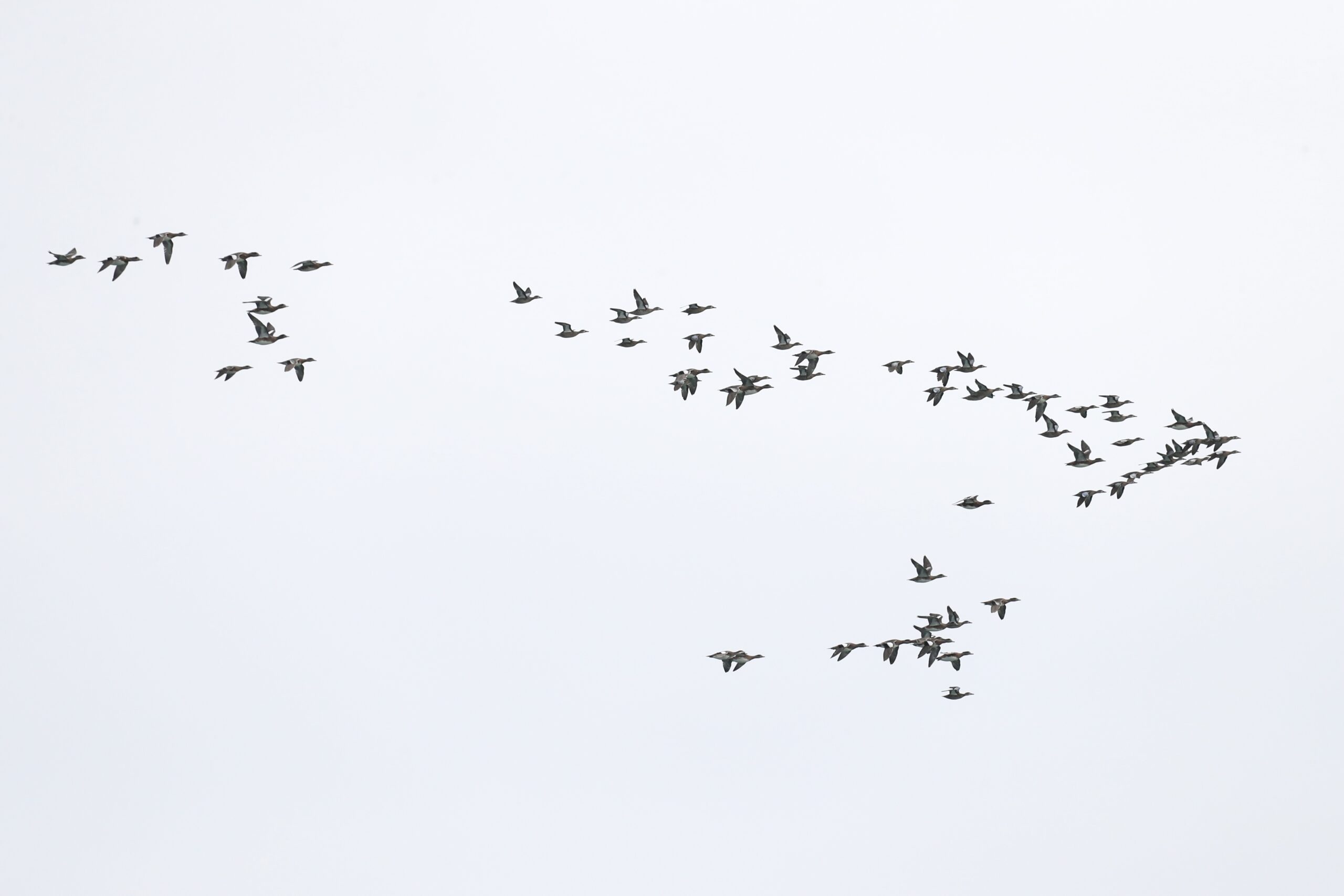
Waterbird migration picked up on August 17 and 18, with more than 1,000 Red-necked Grebes recorded each day with westerly and northwesterly winds. Blue-winged Teal and smaller numbers of Green-winged Teal have been regularly intermixed with grebe flocks, along with a few other dabbling duck species. Common Loons have been moving through in good numbers, and the first Red-throated Loon of the count flew past on August 18.
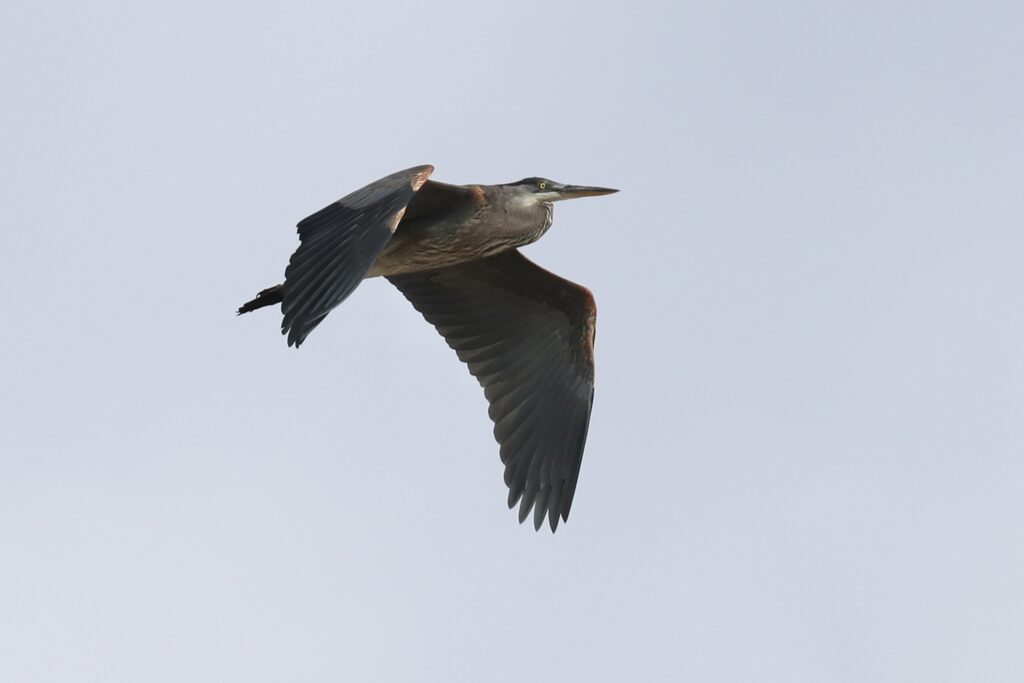
Great Blue Heron. Photo by Jack McDonough
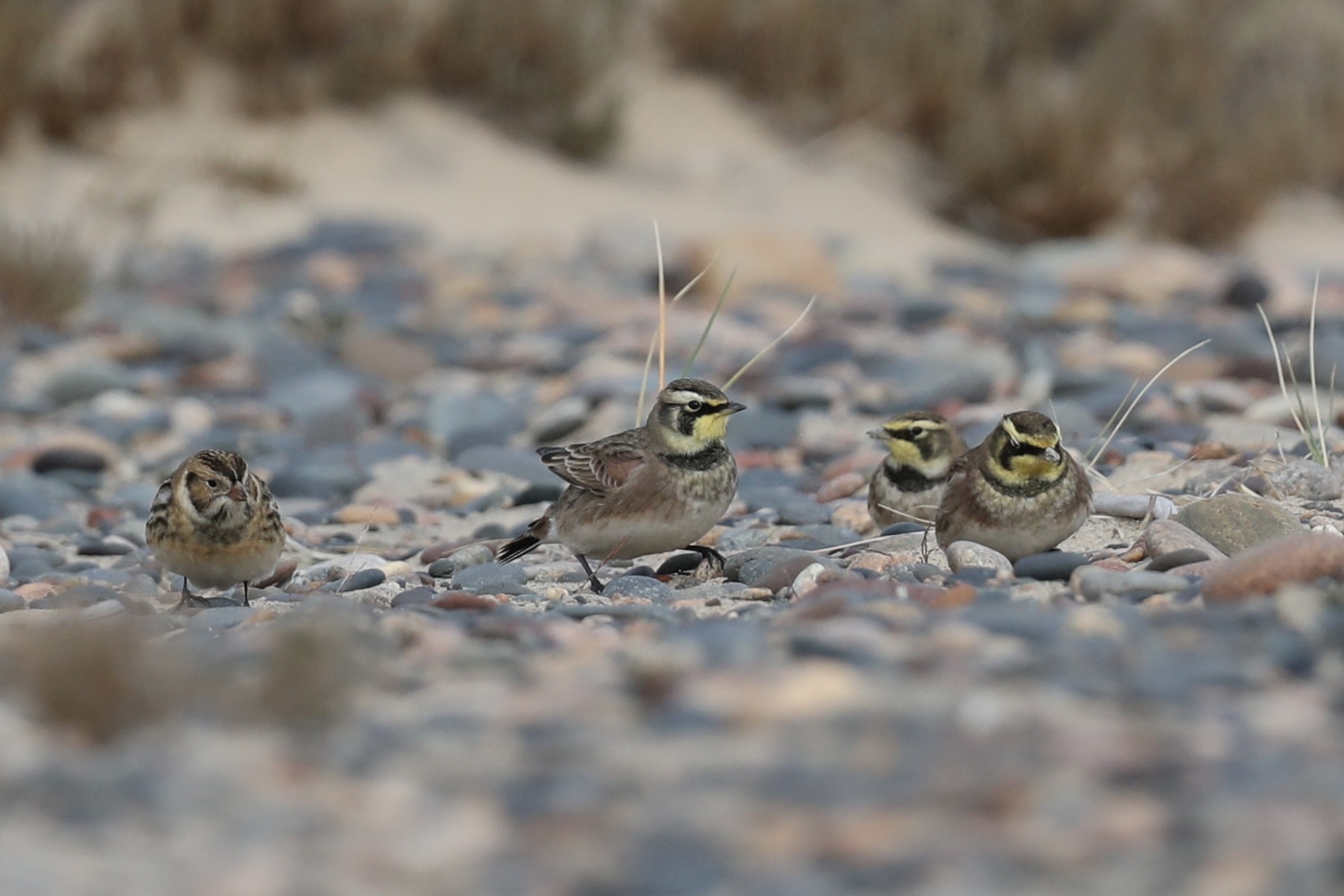
There has been a high diversity of land bird action as well, with a good variety of warblers recorded most days. Nashvilles, Cape Mays, and Yellow-rumped Warblers have been particularly dominant. Consistent numbers of Cedar Waxwings and “winter finches” have also been recorded daily. This year, there has been an influx of Red Crossbills across the Great Lakes, dominated by Type 2s. On August 18, 109 Red Crossbills were recorded during the count. A few White-winged Crossbills and Evening Grosbeaks have also been observed so far this month. Swallow migration picked up on August 18, with Tree, Barn, Northern Rough-winged, and Cliff Swallows coming in off the lake toward Whitefish Point.
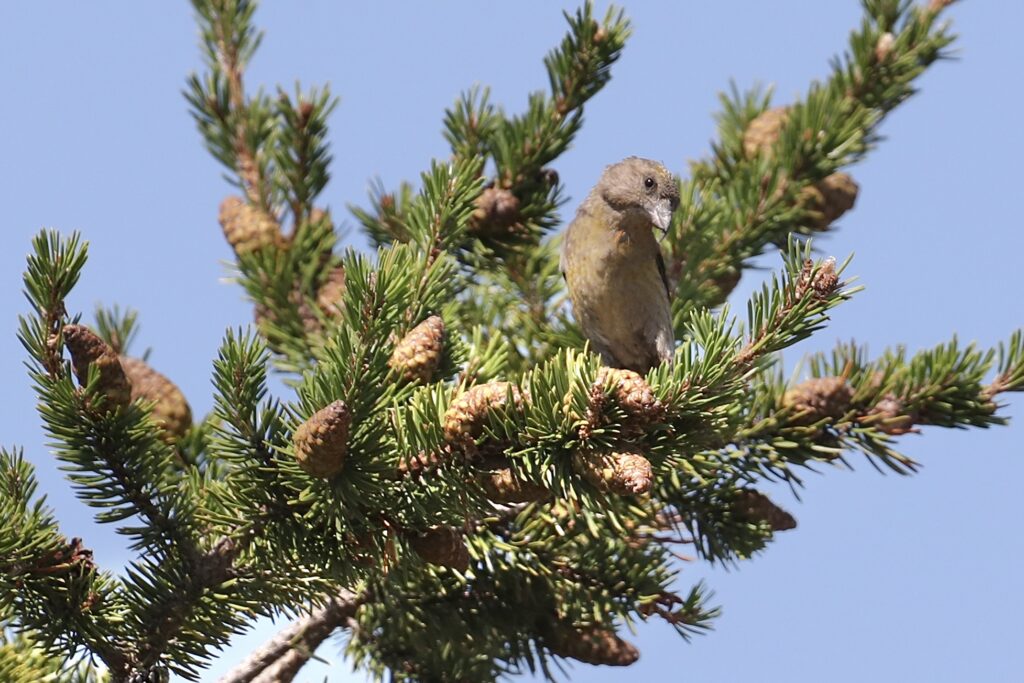
Red Crossbill. Photo by Jack McDonough
On the raptor front, Broad-winged Hawks have been migrating in good numbers daily.
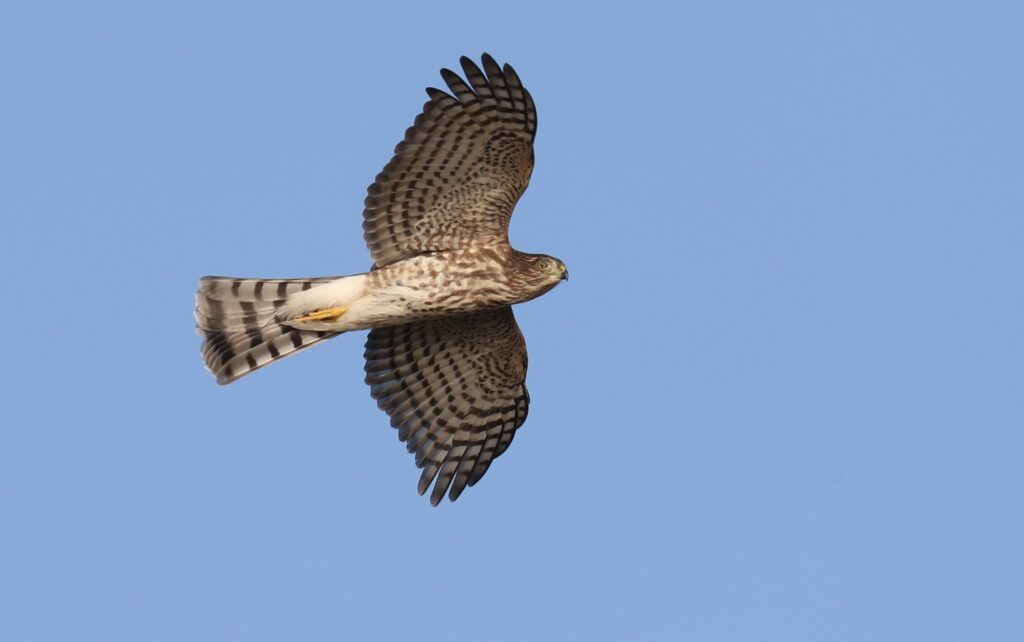
Sharp-shinned Hawk. Photo by Jack McDonough
Beyond the birds, insect migration has been steady, with plenty of Monarchs and Wandering Gliders observed. On August 18, a Red Saddlebags was observed a few times flying over the beach in the afternoon. This species is typically found farther south in the Great Lakes region.
Keep up to date on our blog for next week’s report, and if you can’t wait that long, check out the count live on Trektellen.org to see what’s migrating past Whitefish Point.
Jack McDonough, 2026 Fall Waterbird Counter
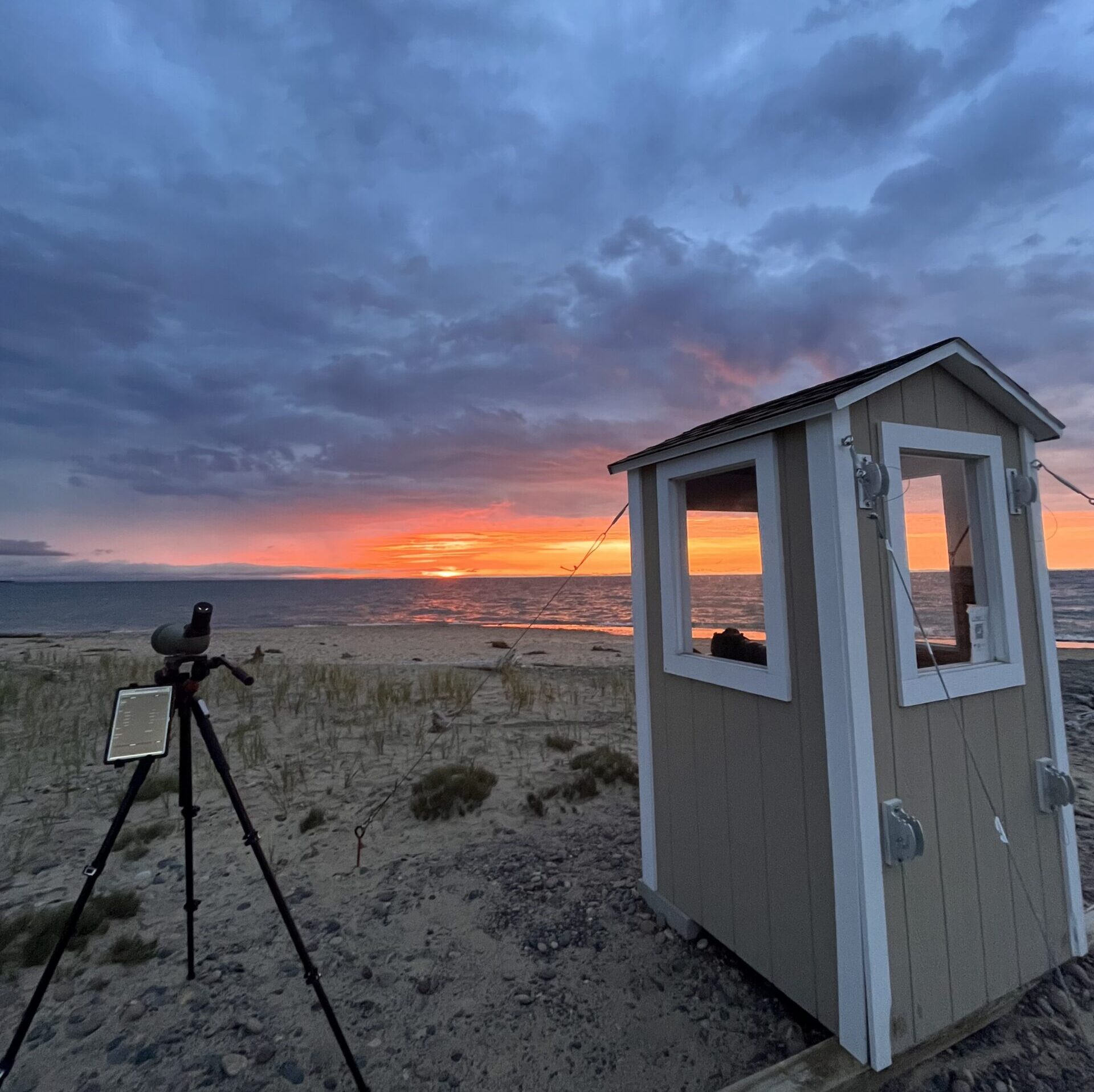
Featured Photo: View of the Waterbird Station by J. McDonough
You can now see the waterbird count data on Trektellen! Check it out at trektellen.nl/count/view/4209.
You can keep up with the 2026 Fall Waterbird Count by reading Jack’s weekly blog posts and following WPBO’s social media (Facebook, Instagram, and X). The fall waterbird count runs August 15 through November 15.

Jack McDonough: 2026 Fall Waterbird Counter
Jack grew up in Cape May, New Jersey, where he developed an early passion in life for anything migrating. At New Jersey Audubon’s Cape May Bird Observatory (CMBO), Jack worked for the Monarch Monitoring Project for six years and coordinated it for the last three. Jack was a migratory bird counter for two seasons for CMBO’s Springwatch project and was a swing counter for several fall counts such as CMBO’s Morning Flight, Avalon Seawatch, and Cape May Hawkwatch. Additionally for NJ Audubon, he preformed aerial imagery annotating for seabirds with USGS. Jack worked as a biologist for NJDEP Fish & Wildlife under the Endangered and NonGame Species Program for several years doing surveys and management work for state-listed species. Owning his own business in ecological consulting and biological monitoring, Jack has worked across Nevada and California in the past year. He spends most of his free time out in nature, studying behavioral ecology through the arts.