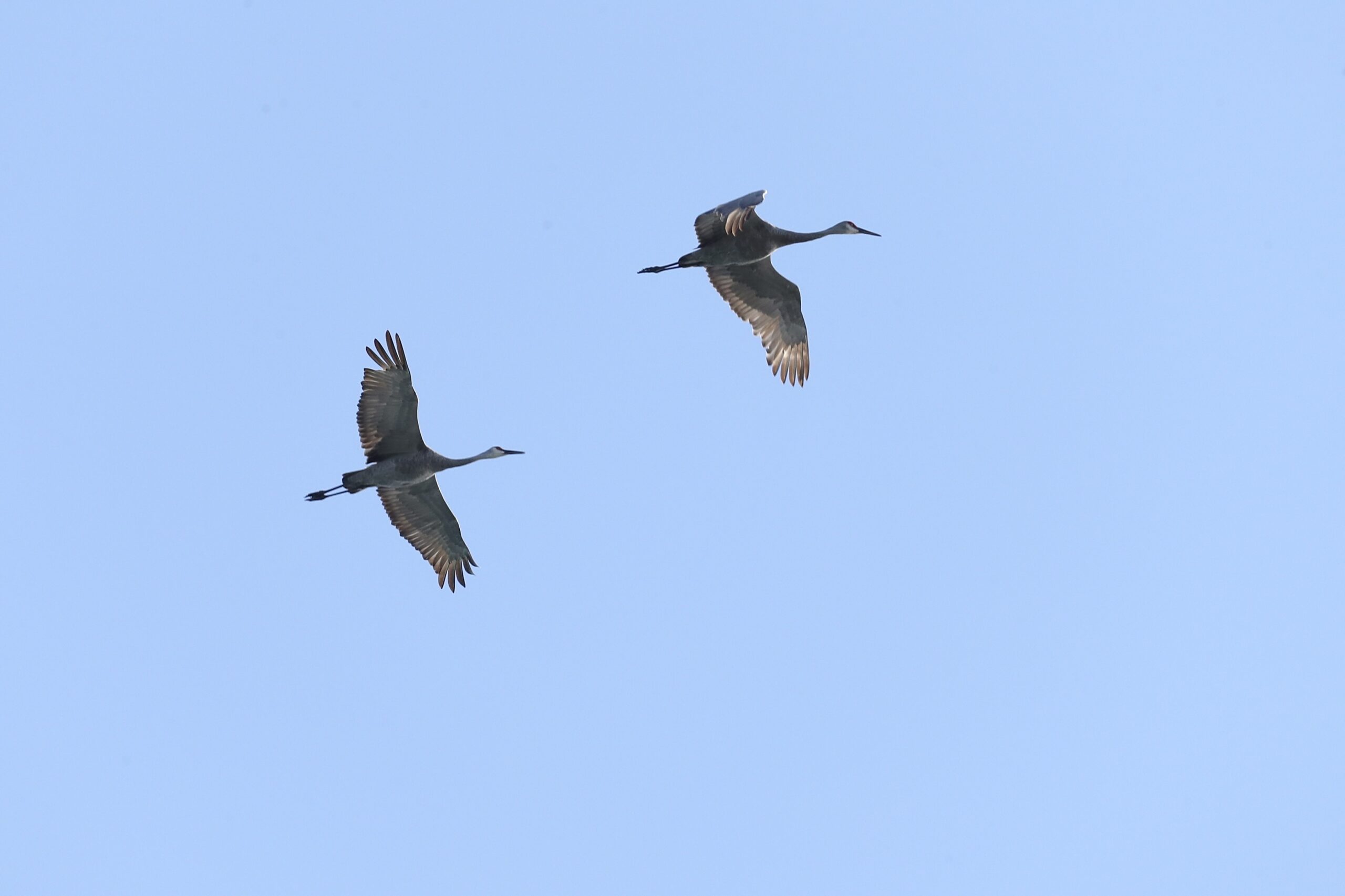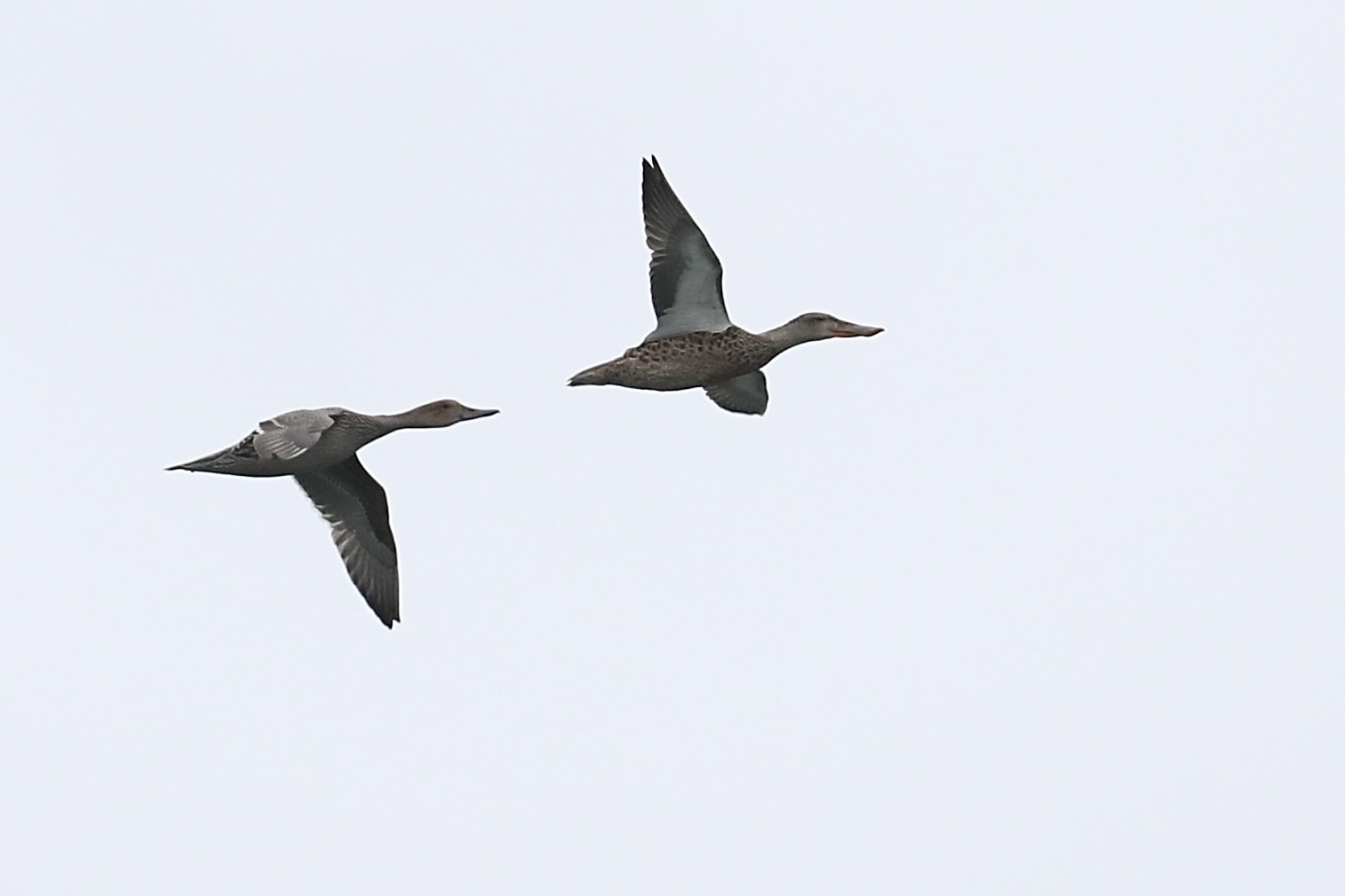
Over the last week, the weather has done pretty much everything imaginable for mid-August and bird migration was reflective of that. The 19th was a calm, sunny day with a WNW breeze, which was perfect for songbird movement over the Point. A nice diversity of warblers got up at dawn, with first of the fall sightings of Wilson’s Warbler, Olive-sided Flycatcher and Cliff Swallows. The day got exciting when Oliver Kew radioed a Yellow-headed Blackbird in the area that shortly after flew past the Waterbird Station and continued to hang out for the rest of the day into the following morning. A local immature American Goshawk made its first appearance to the count in the afternoon. Over 600 Red-necked Grebes moved southeast on the lakefront, with some Blue-winged Teal mixed in.
On the 20th, a chilly SSE sunny day resulted in some great finch movement, with over a hundred Red Crossbills over the Point with other finches such as Evening Grosbeak, White-winged Crossbill, Purple Finch, American Goldfinch, and Pine Siskin. Oliver spotted the count’s first identified Parasitic Jaeger during the lazy afternoon. On the 22nd, the afternoon picked up a good raptor flight with 26 Broad-winged Hawks, a Red-tailed Hawk, an Osprey, multiple Northern Harriers, Bald Eagles, and Sharp-shinned Hawks as well. The count’s first Black Tern flew down the lakeside.
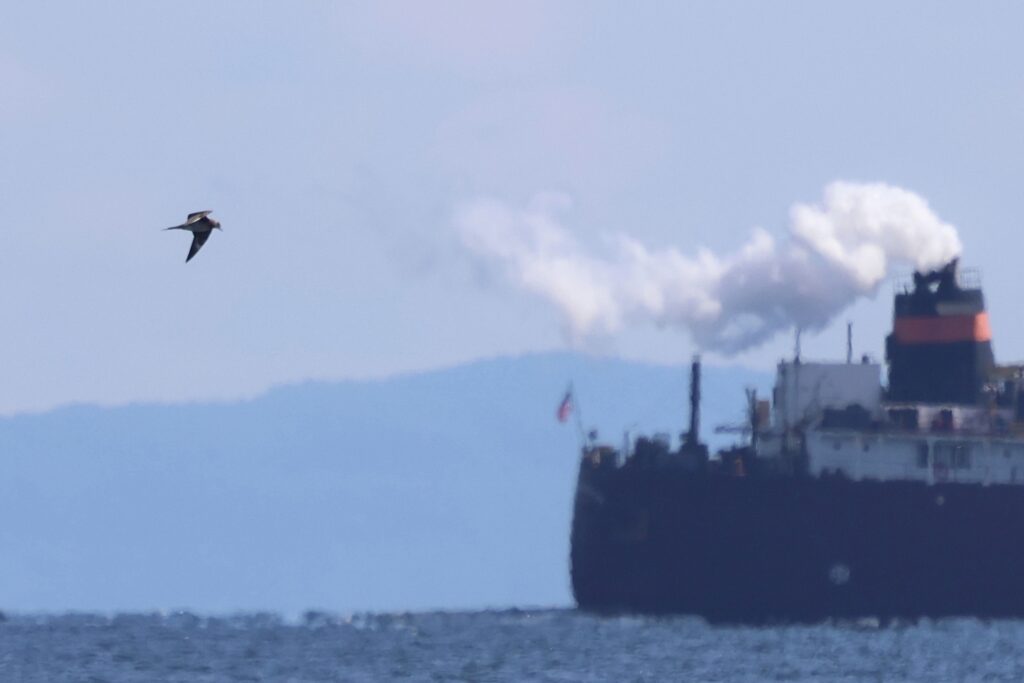
Parasitic Jaeger. Photo by Oliver Kew
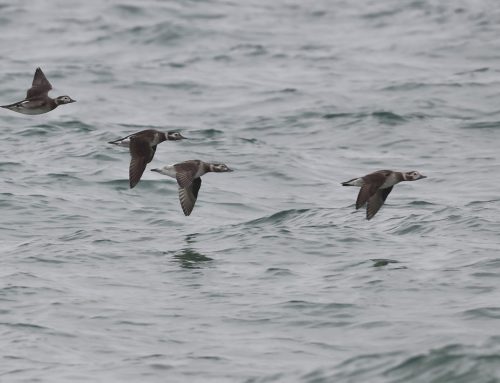
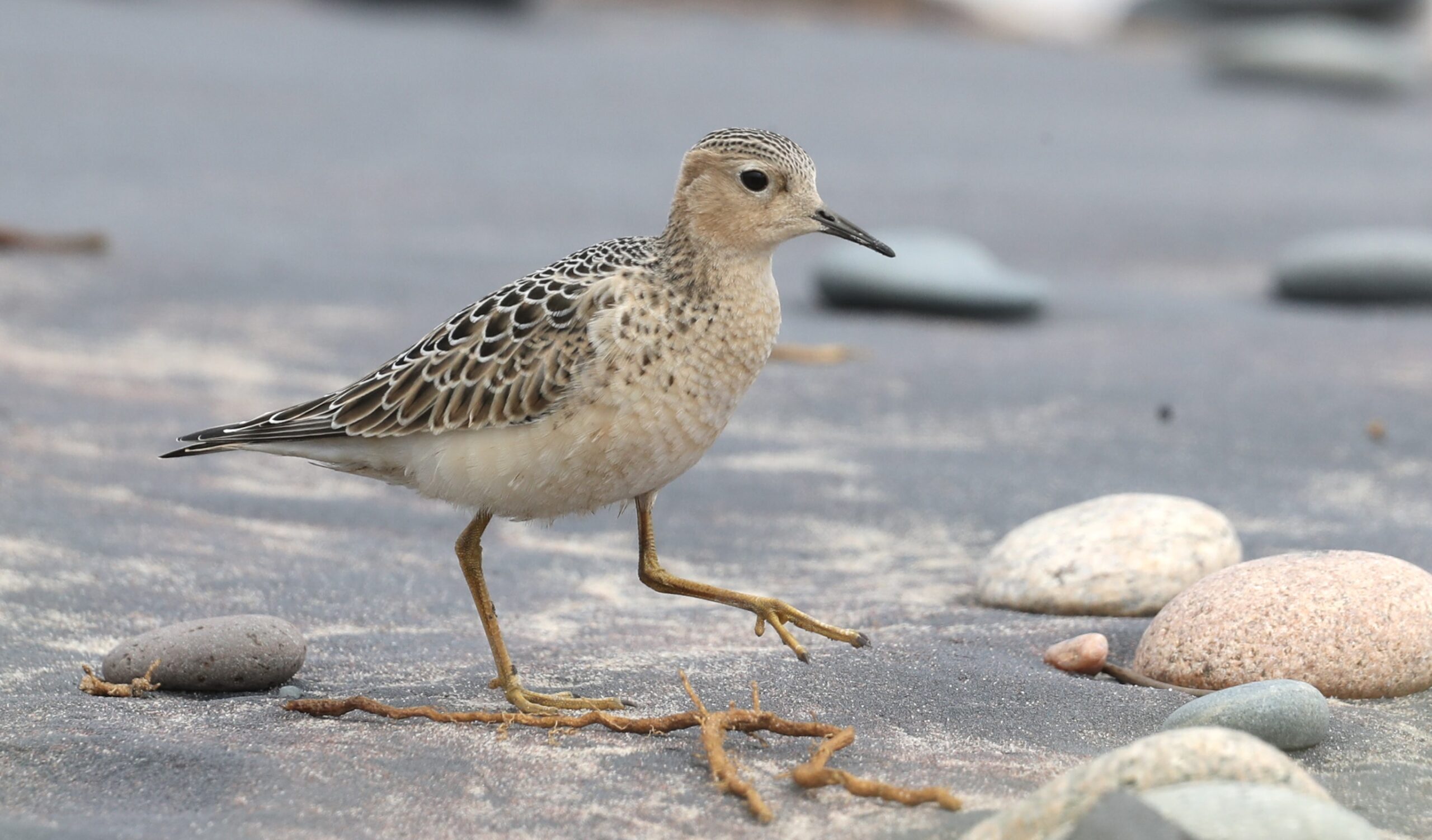
August 23rd came in with the brute of the NNW front, with sustained 17mph winds, a dark overcast, and decent sized waves. The powerful winds kept migratory movements to a minimum, but jaegers ripped out of the north and cut southeast over Lake Superior throughout the day. Three Parasitic Jaegers, 4 jaeger “sp.” (too distant to tell), and two Long-tailed Jaegers (including a fresh looking adult) were observed during the count. Harsh winds continued into 8/24 and not many birds were counted. Another Parasitic Jaeger moved over the lake and our first beached Buff-breasted Sandpiper made an appearance, feeding along the shoreline.
A calm, variable southerly wind came in on August 25th after the front cleared with sunshine and warmth. It was a great day for songbird flight with 15 species of warblers and lots of “winter finches”. Yellow-rumped, Nashville, Cape May, Black-throated Green, and Tennessee Warblers were the most abundant in morning flight and on the ground in the woods later in the day.
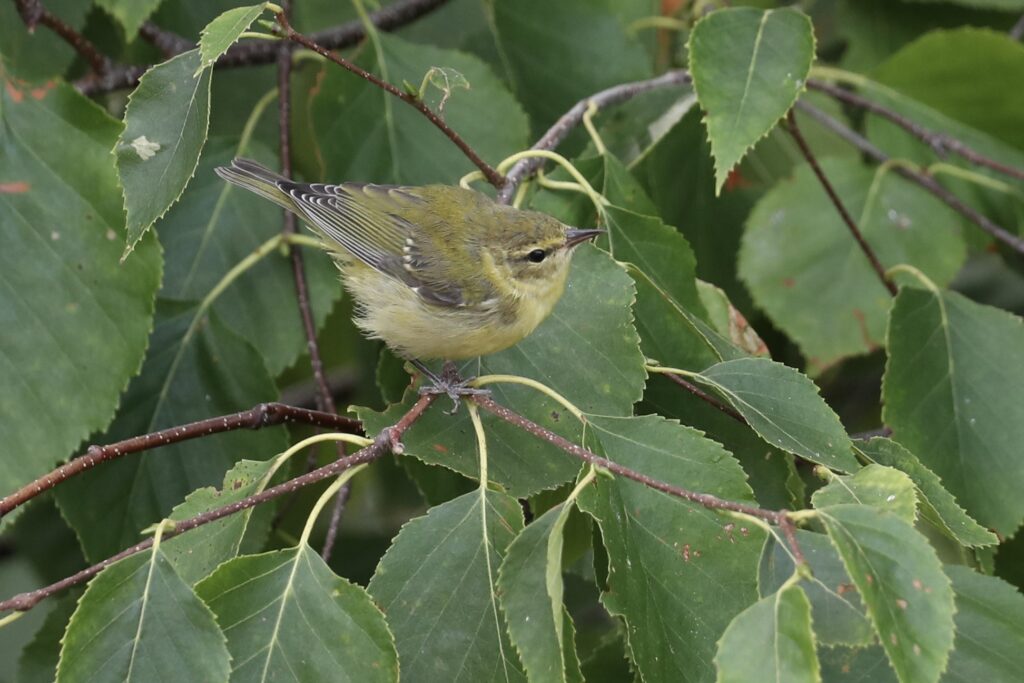
Tennessee Warbler. Photo by Jack McDonough
Two Clay-colored Sparrows made their way out to the beach in a big Chipping Sparrow flock. The flat afternoon had nothing moving over the water, but insect migration picked up with several butterflies such as Monarchs, Mourning Cloak, Question Mark, Compton Tortoiseshell, Clouded Sulphur, and Common Buckeye. A few Common Green Darners and Wandering Glider flew past and an exciting record of Striped Saddlebags. Striped Saddlebags are a southern species, but have been invading far outside their range this fall. A few St. Lawrence Tiger Moths also came in off the lake a few times.
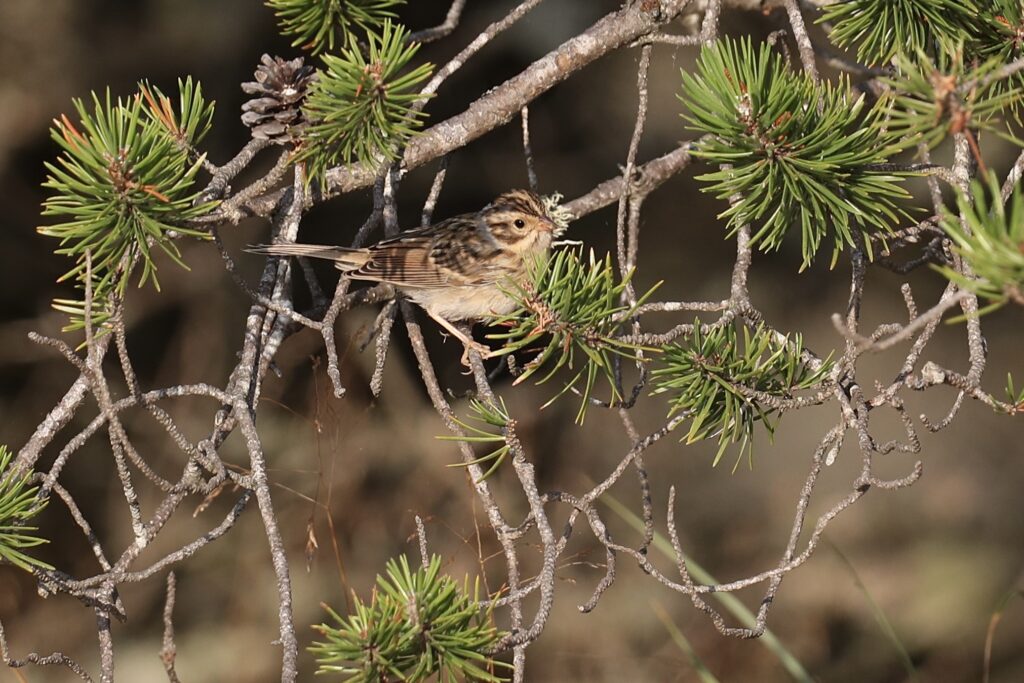
Clay-colored Sparrow. Photo by Jack McDonough
The weekly output has a lot of stormy rain on the 26th, but some nice, calmer NW wind days on Thursday and Friday (the 27th and 28th) that should be excellent conditions for getting out and seeing some birds by either land or lakeside.
Jack McDonough, 2026 Fall Waterbird Counter
Featured Photo: Buff-breasted Sandpiper by J. McDonough
You can now see the waterbird count data on Trektellen! Check it out at trektellen.nl/count/view/4209.
You can keep up with the 2026 Fall Waterbird Count by reading Jack’s weekly blog posts and following WPBO’s social media (Facebook, Instagram, and X). The fall waterbird count runs August 15 through November 15.
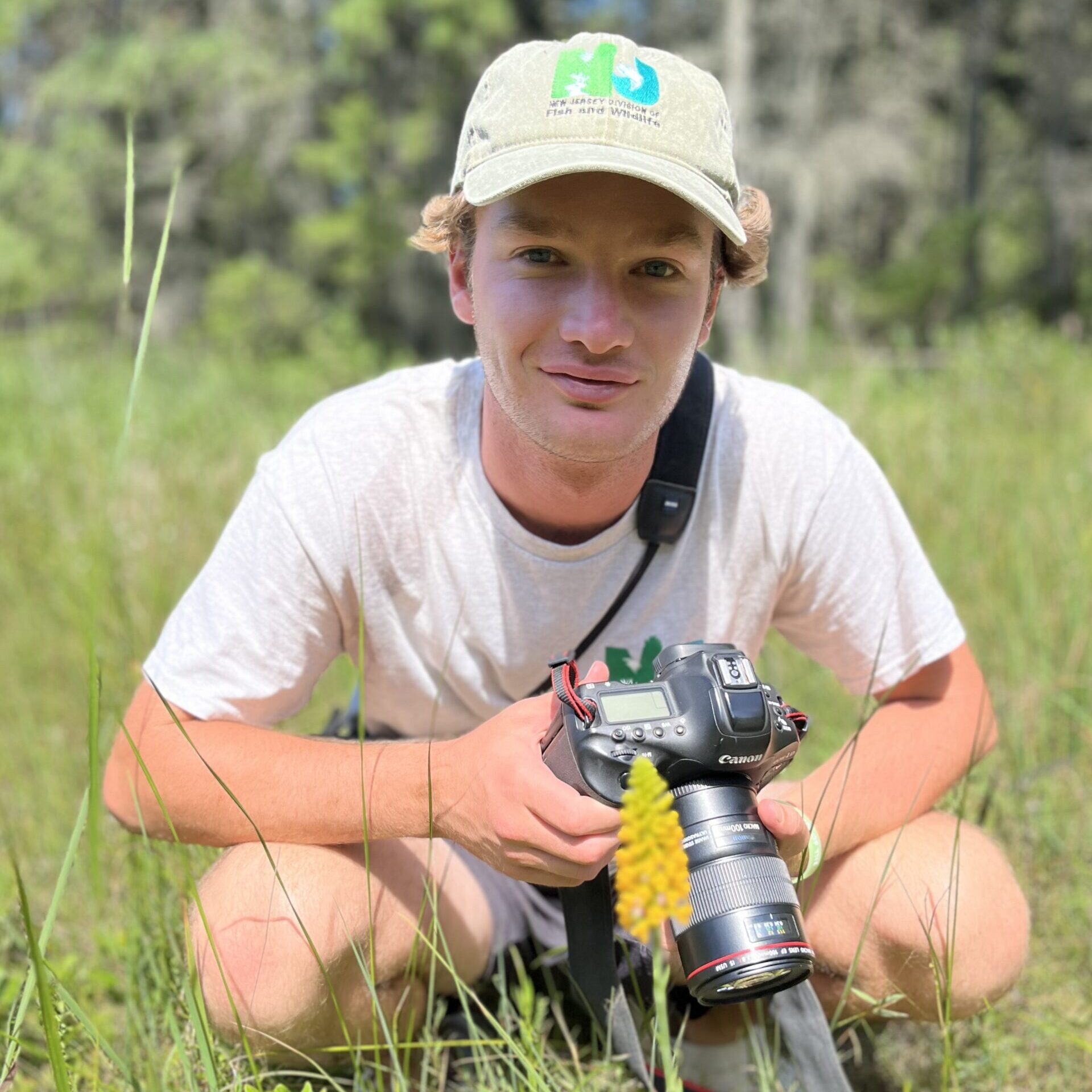
Jack McDonough: 2026 Fall Waterbird Counter
Jack grew up in Cape May, New Jersey, where he developed an early passion in life for anything migrating. At New Jersey Audubon’s Cape May Bird Observatory (CMBO), Jack worked for the Monarch Monitoring Project for six years and coordinated it for the last three. Jack was a migratory bird counter for two seasons for CMBO’s Springwatch project and was a swing counter for several fall counts such as CMBO’s Morning Flight, Avalon Seawatch, and Cape May Hawkwatch. Additionally for NJ Audubon, he preformed aerial imagery annotating for seabirds with USGS. Jack worked as a biologist for NJDEP Fish & Wildlife under the Endangered and NonGame Species Program for several years doing surveys and management work for state-listed species. Owning his own business in ecological consulting and biological monitoring, Jack has worked across Nevada and California in the past year. He spends most of his free time out in nature, studying behavioral ecology through the arts.