Birds? Who cares about those? On September 9th, it was a calm SW wind and a cloudy morning with lots of songbirds such as Blackpoll Warblers, Palm Warblers, and more coming in off the lake. What stole the show though, was a total of 41 bats that flew in from Lake Superior and crashed into the dunes of Whitefish Point. There are three highly migratory species of bats in the United States that we see in Michigan: Eastern Red Bat, Silver-haired Bat, and Hoary Bat, and on this morning, we had all three! 23 Eastern Red Bats, 12 Silver-haired Bats, 1 Hoary Bat, and 5 distant unidentified bats came in off the lake. Later that afternoon, I found a dozen or so bats roosting in the Jack Pines. Another highlight was a Sora that came in off the lake that morning, and we also had our highest tally of Striped Saddlebags so far this fall at 14!
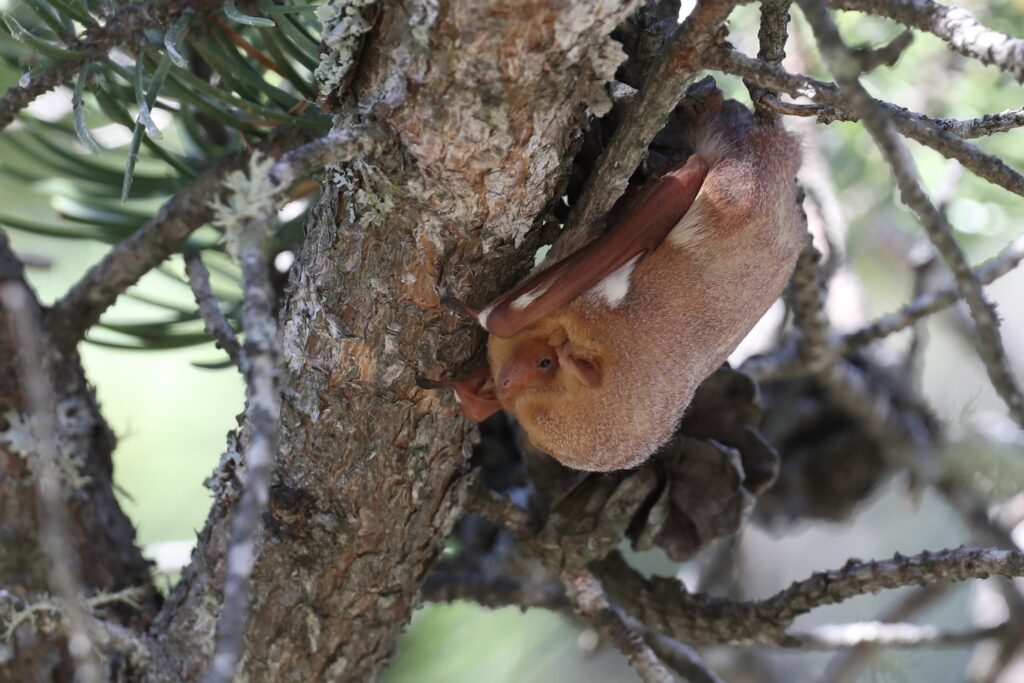
Eastern Red Bat. Photo by Jack McDonough
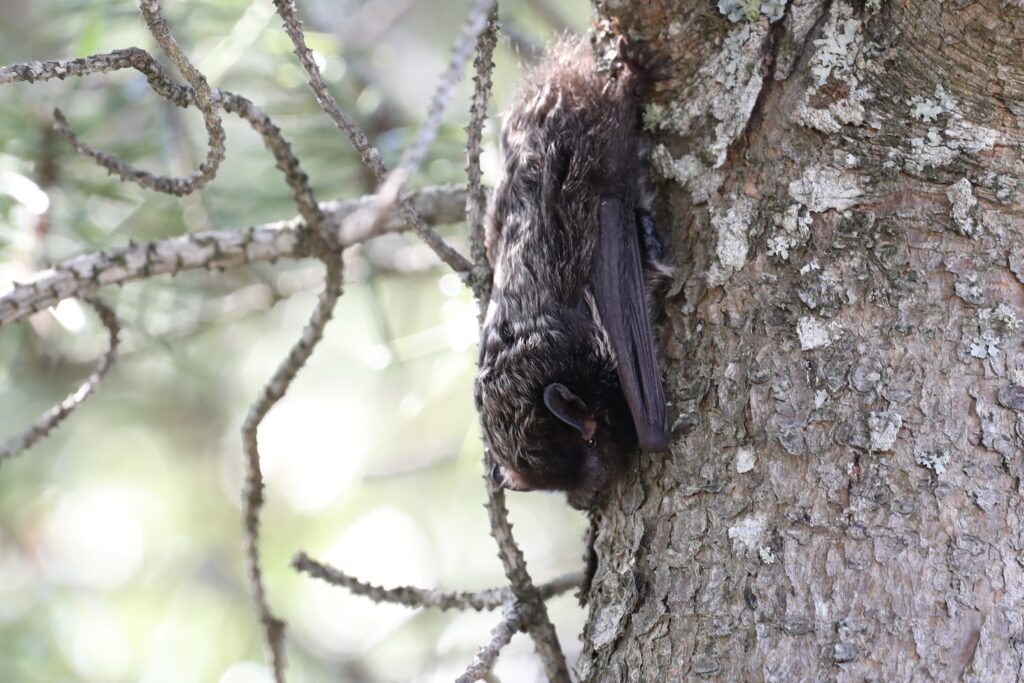
Sliver-haired Bat. Photo by Jack McDonough
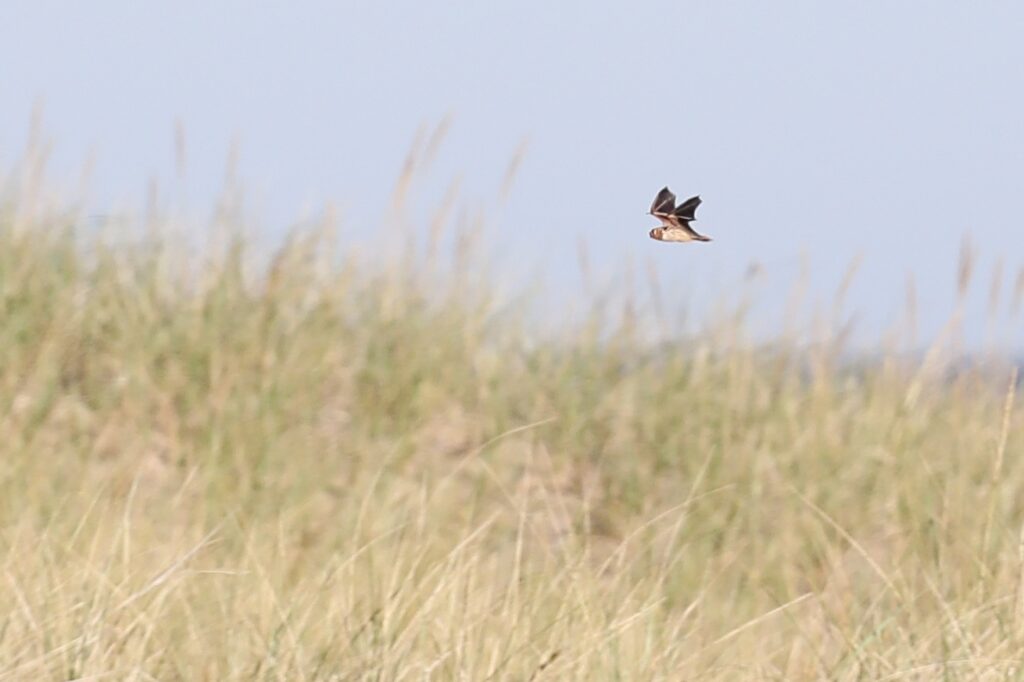
Eastern Red Bat. Photo by Jack McDonough
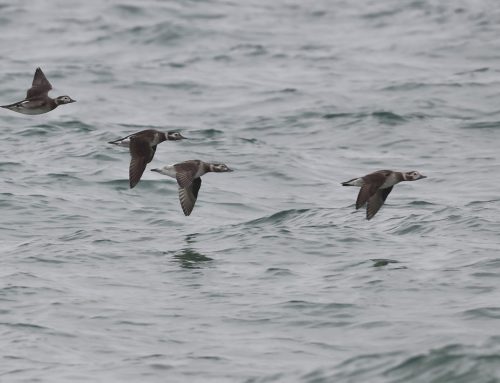
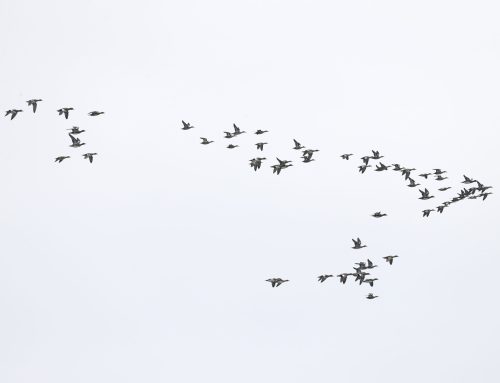
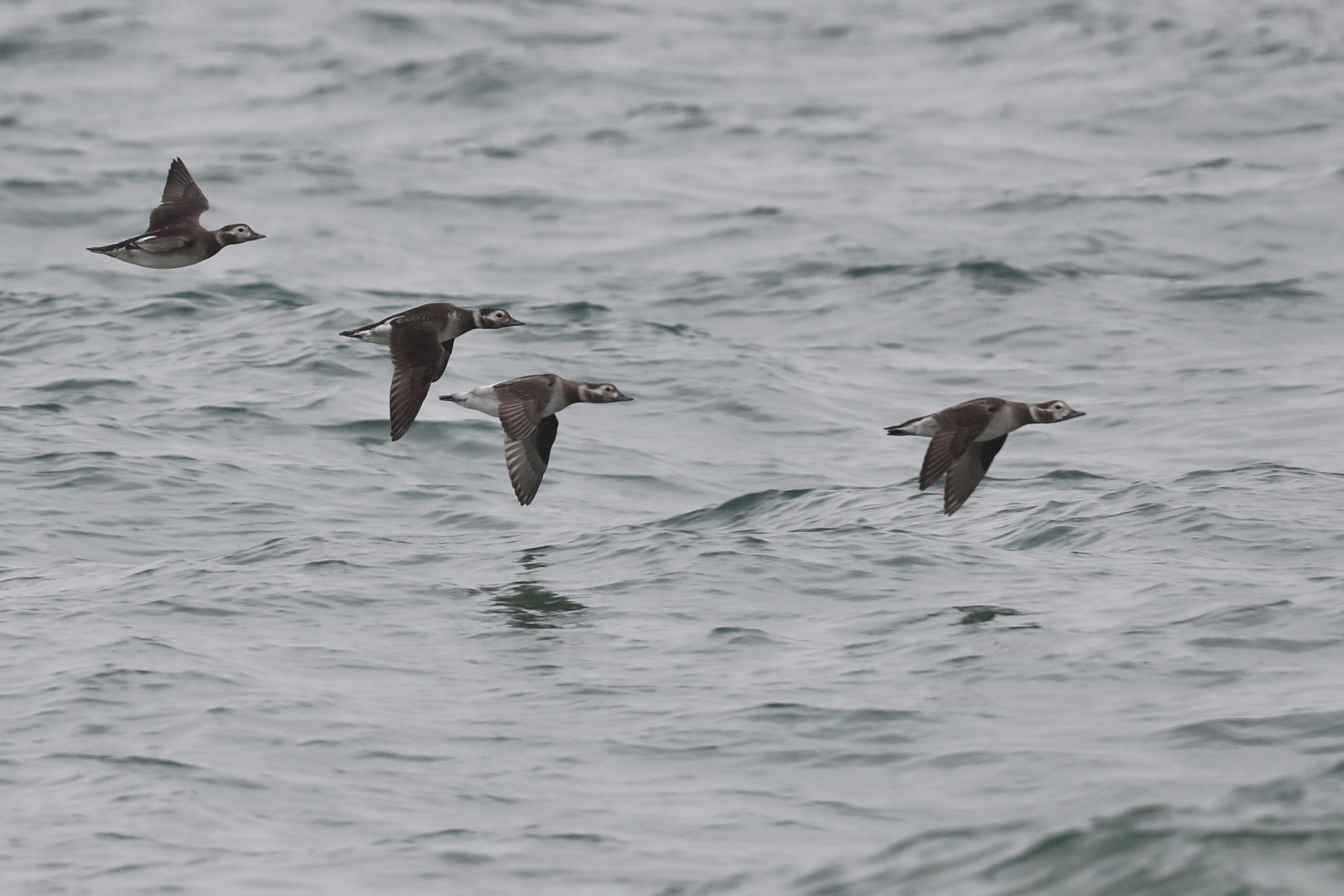
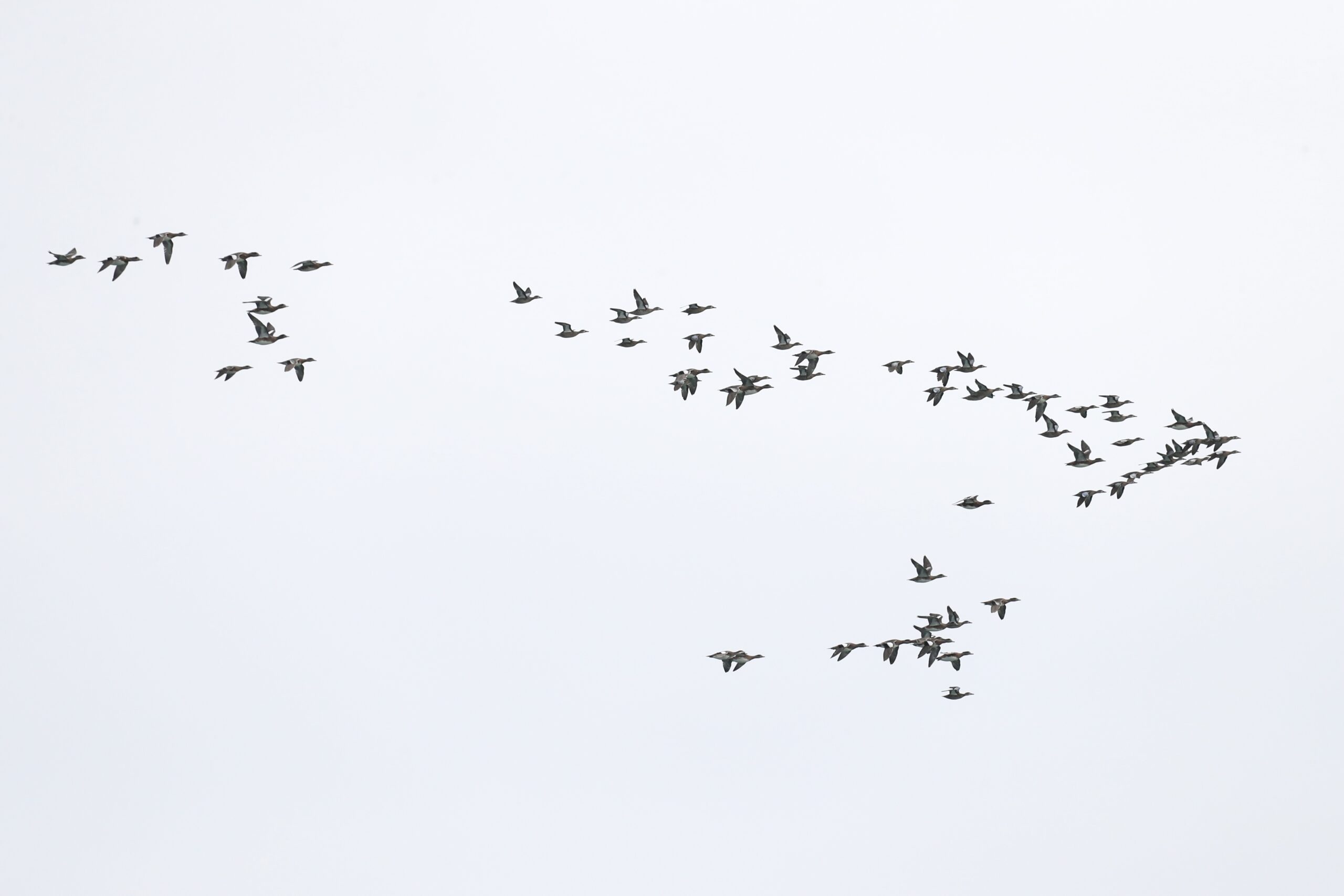
Over this last week, we have seen many changes. On the waterbird front, we have had lots of American Wigeon as well as an increase in numbers of Red-throated Loons, Greater Scaup, White-winged Scoters, Northern Shoveler, Northern Pintail, Blue-winged Teal, Red-breasted Mergansers, Spotted Sandpipers, and American Golden Plovers. On 9/12, during a rainstorm the first of the season Pectoral Sandpipers landed on the beach. After the rain cleared on a cold front, we had almost 1,000 Common Terns with over 500 in a single hour and almost 300 Blue-winged Teal.
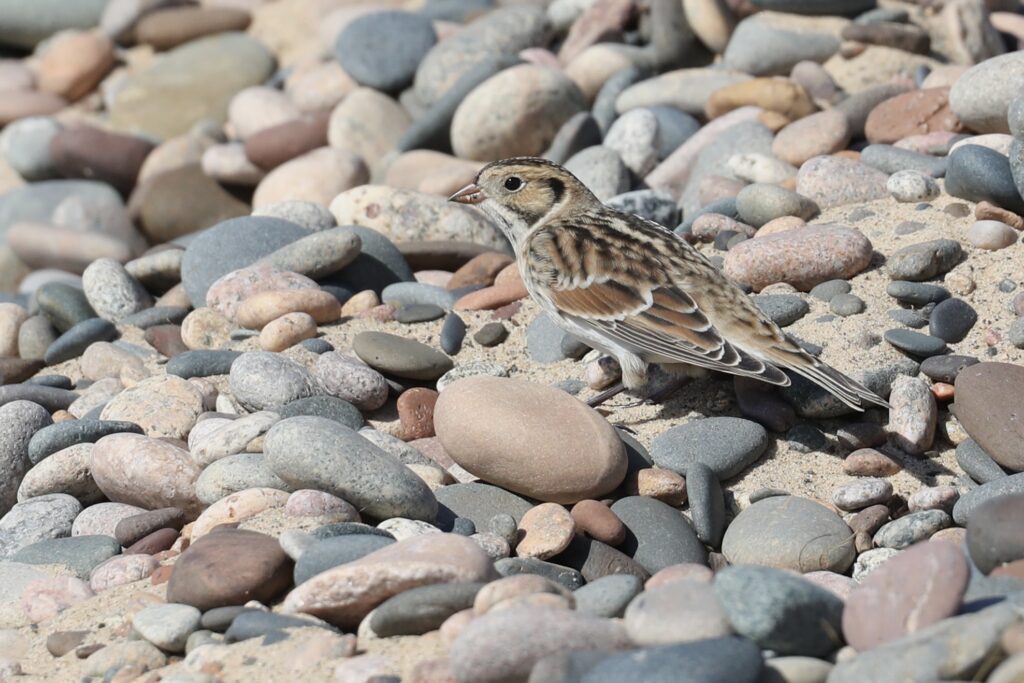
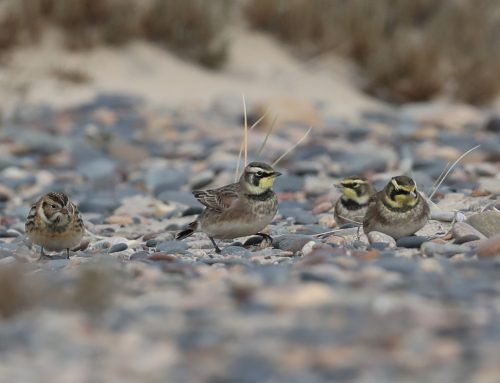
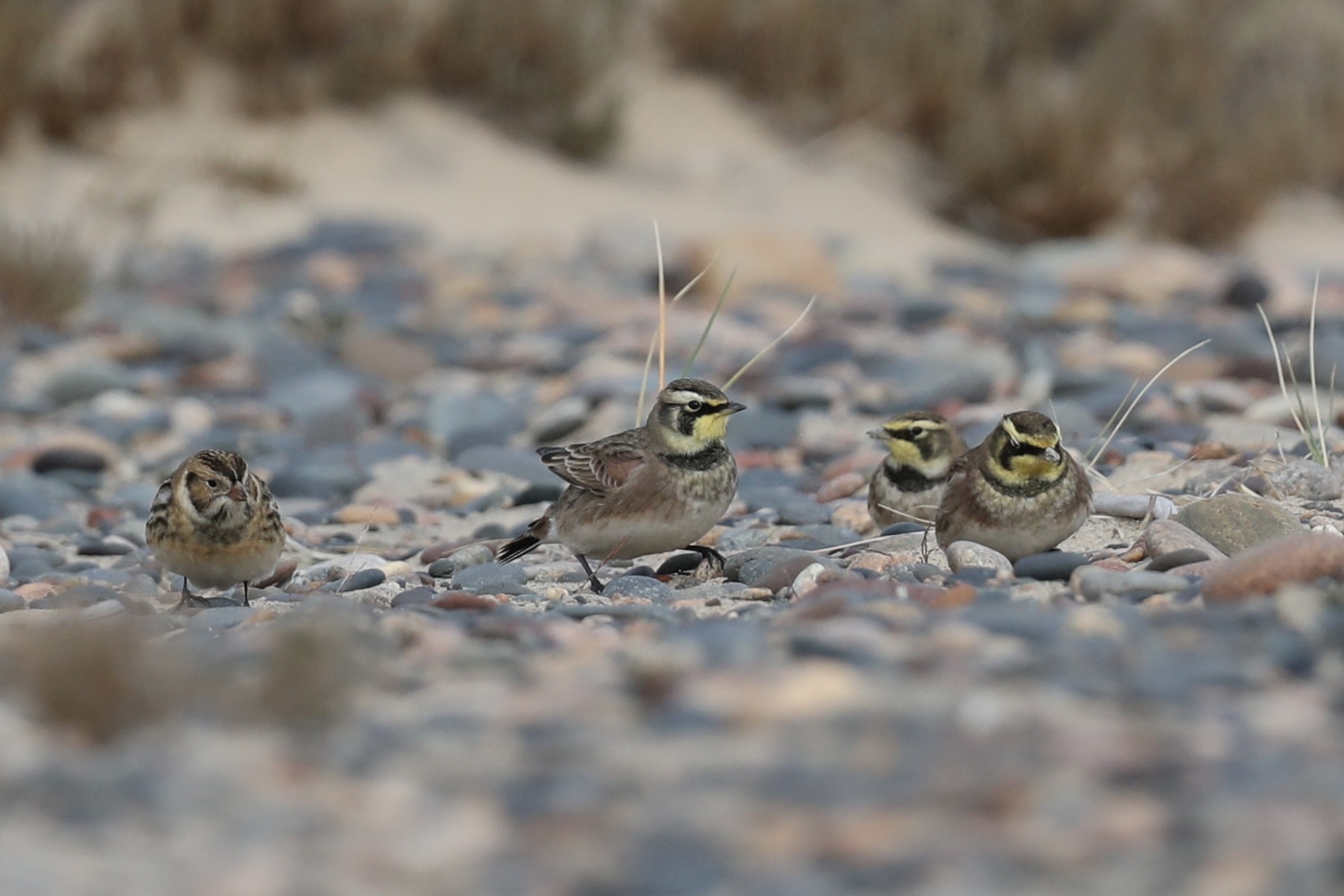
Lapland Longspur. Photo by Jack McDonough
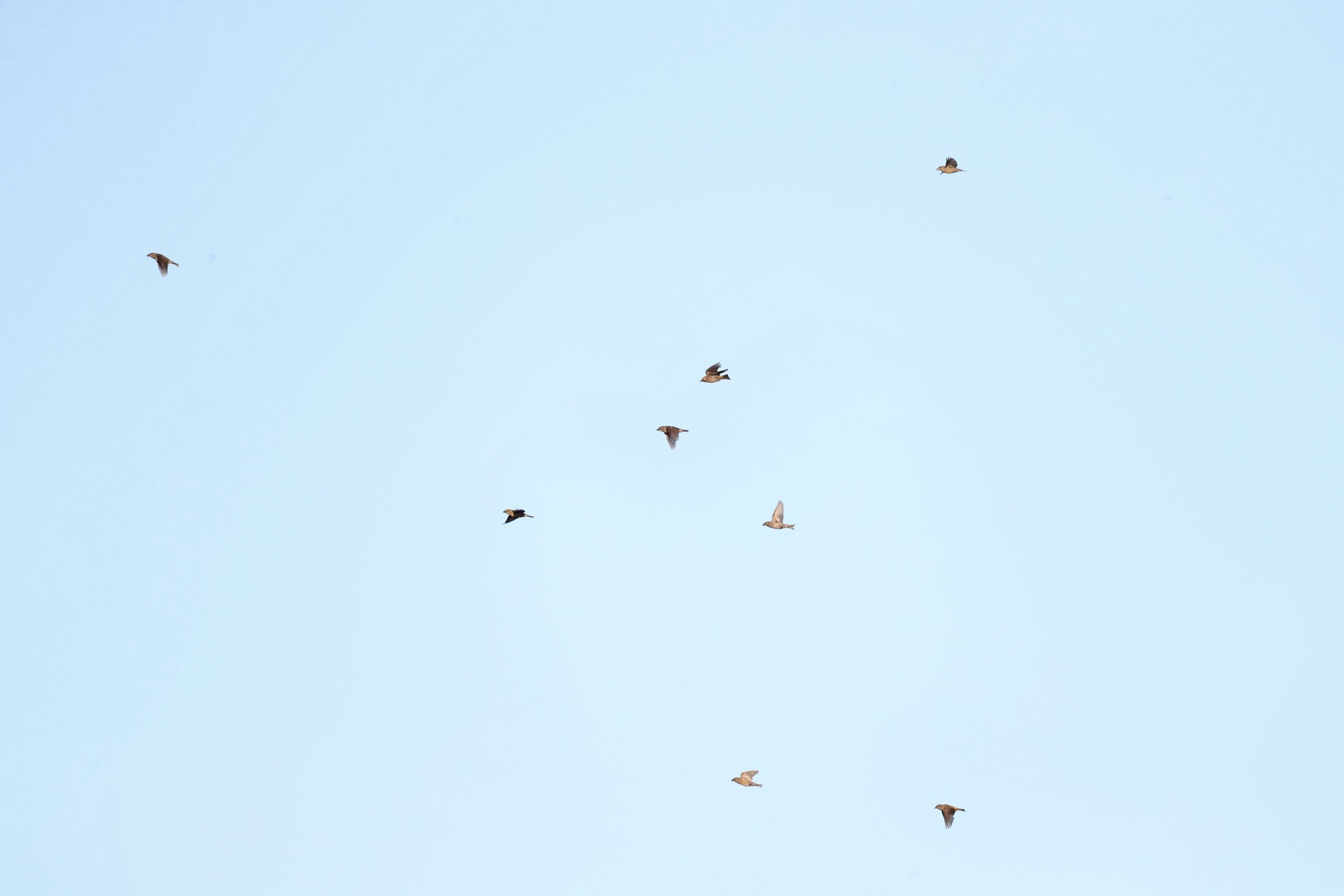
On the landbird front, we have seen an increase in Pine Siskins, Red-breasted Nuthatches, Brown Creepers, American Robins, Blue Jays, Lapland Longspurs, American Pipits, Swainson’s Thrush, Palm Warblers, and Blackpoll Warblers.
On 9/13 we recorded a Comet Darner, which is a rare species for this far north. Several passerines also came in off the lake including a Rose-breasted Grosbeak. On 9/14 we had the first of the season Black-backed Woodpecker and Cooper’s Hawk. On 9/15 we had our first Orange-crowned Warbler of the season.
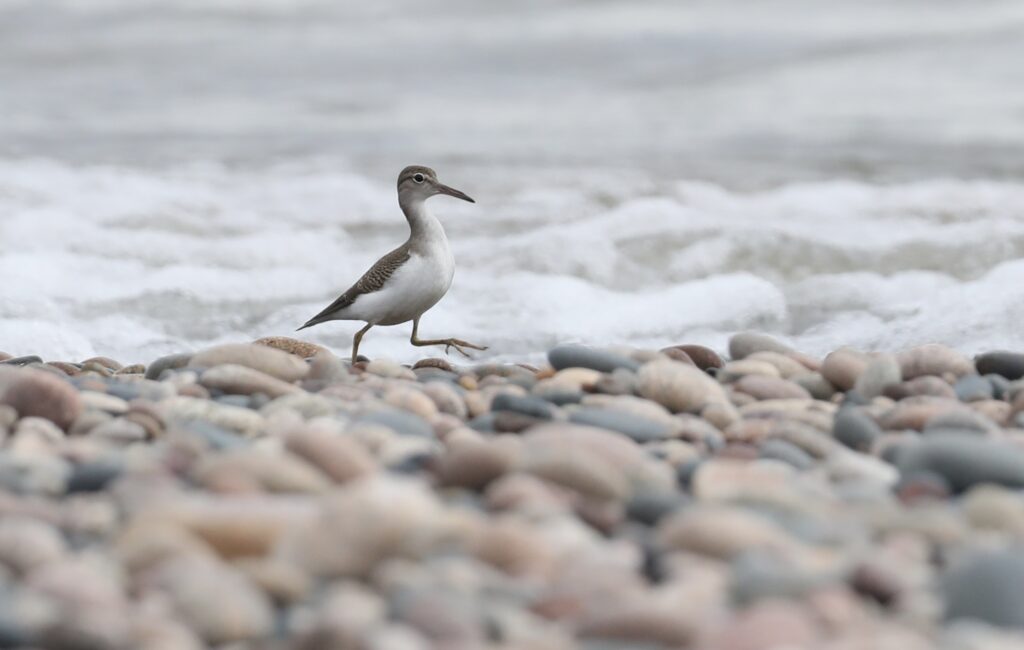
Spotted Sandpiper. Photo by Jack McDonough
Jack McDonough, 2026 Fall Waterbird Counter
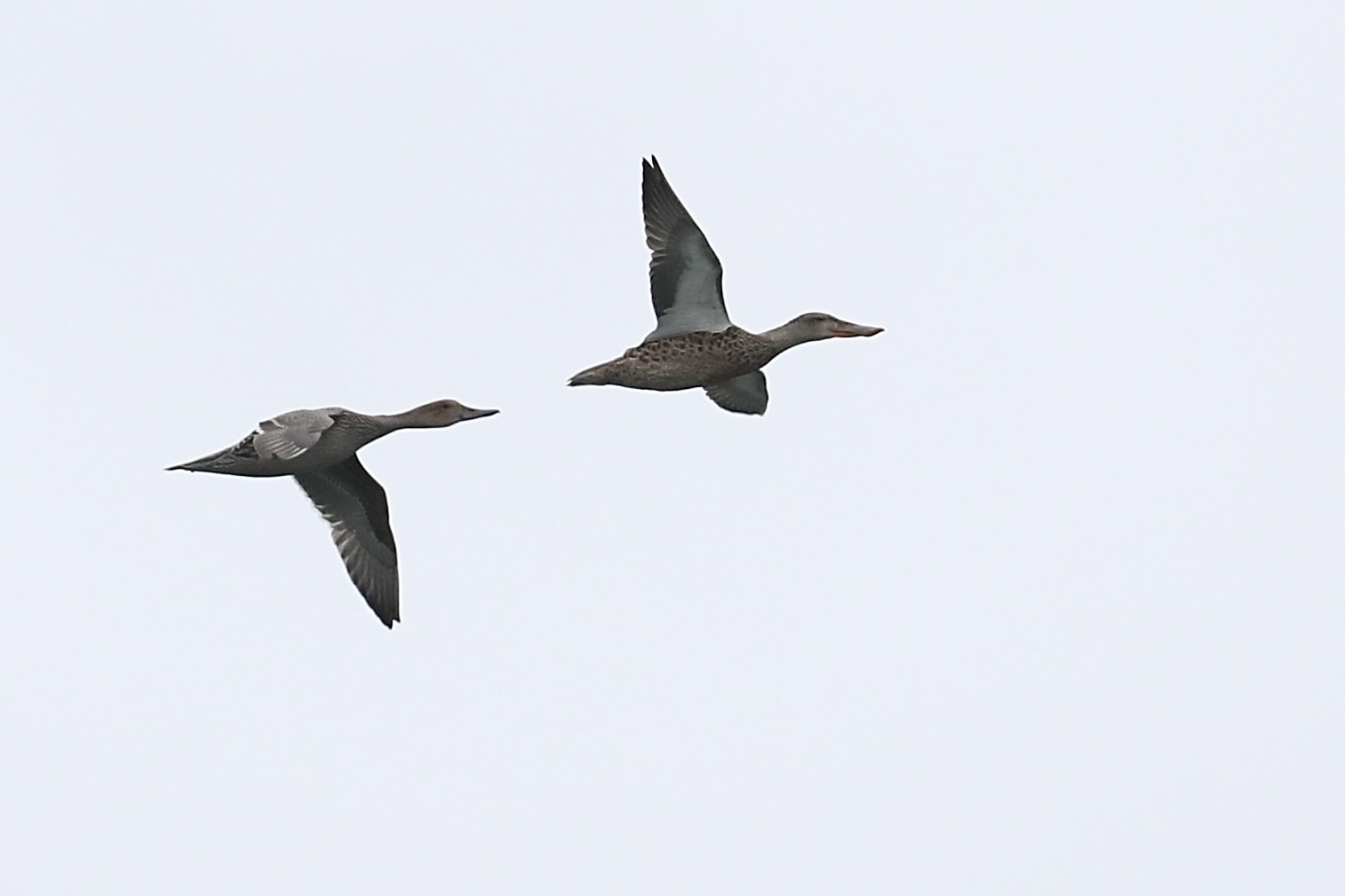
Featured Photo: Northern Pintail and Northern Shoveler by J. McDonough
You can now see the waterbird count data on Trektellen! Check it out at trektellen.org/count/view/5727.
You can keep up with the 2026 Fall Waterbird Count by reading Jack’s weekly blog posts and following WPBO’s social media (Facebook, Instagram, and X). The fall waterbird count runs August 15 through November 15.

Jack McDonough: 2026 Fall Waterbird Counter
Jack grew up in Cape May, New Jersey, where he developed an early passion in life for anything migrating. At New Jersey Audubon’s Cape May Bird Observatory (CMBO), Jack worked for the Monarch Monitoring Project for six years and coordinated it for the last three. Jack was a migratory bird counter for two seasons for CMBO’s Springwatch project and was a swing counter for several fall counts such as CMBO’s Morning Flight, Avalon Seawatch, and Cape May Hawkwatch. Additionally for NJ Audubon, he preformed aerial imagery annotating for seabirds with USGS. Jack worked as a biologist for NJDEP Fish & Wildlife under the Endangered and NonGame Species Program for several years doing surveys and management work for state-listed species. Owning his own business in ecological consulting and biological monitoring, Jack has worked across Nevada and California in the past year. He spends most of his free time out in nature, studying behavioral ecology through the arts.