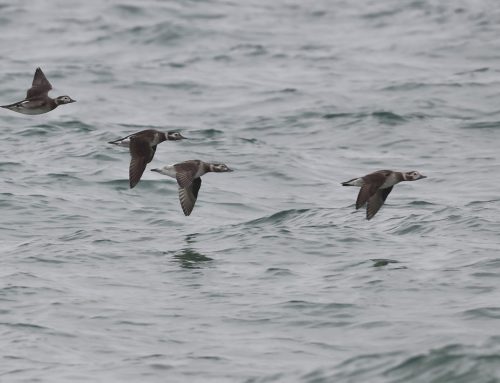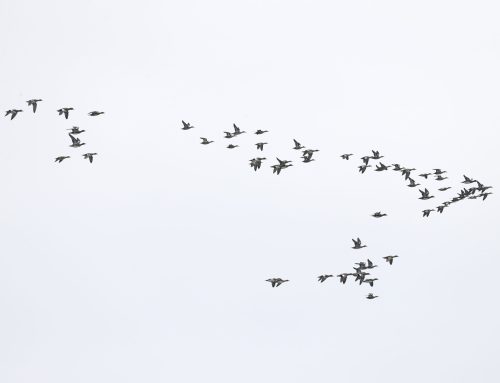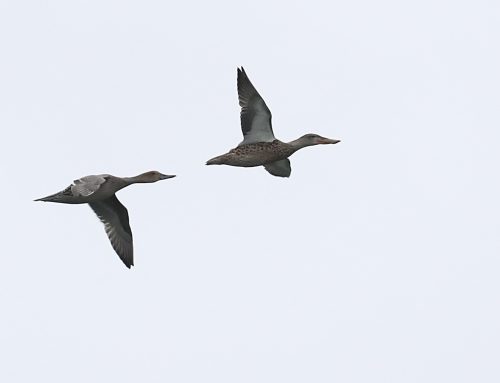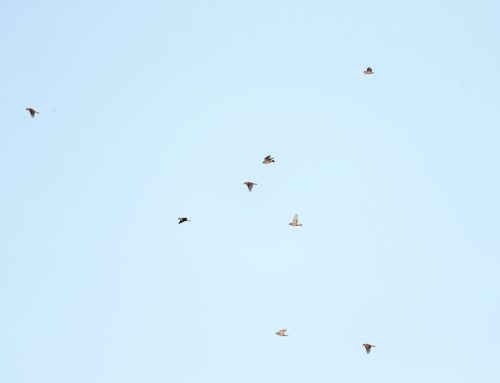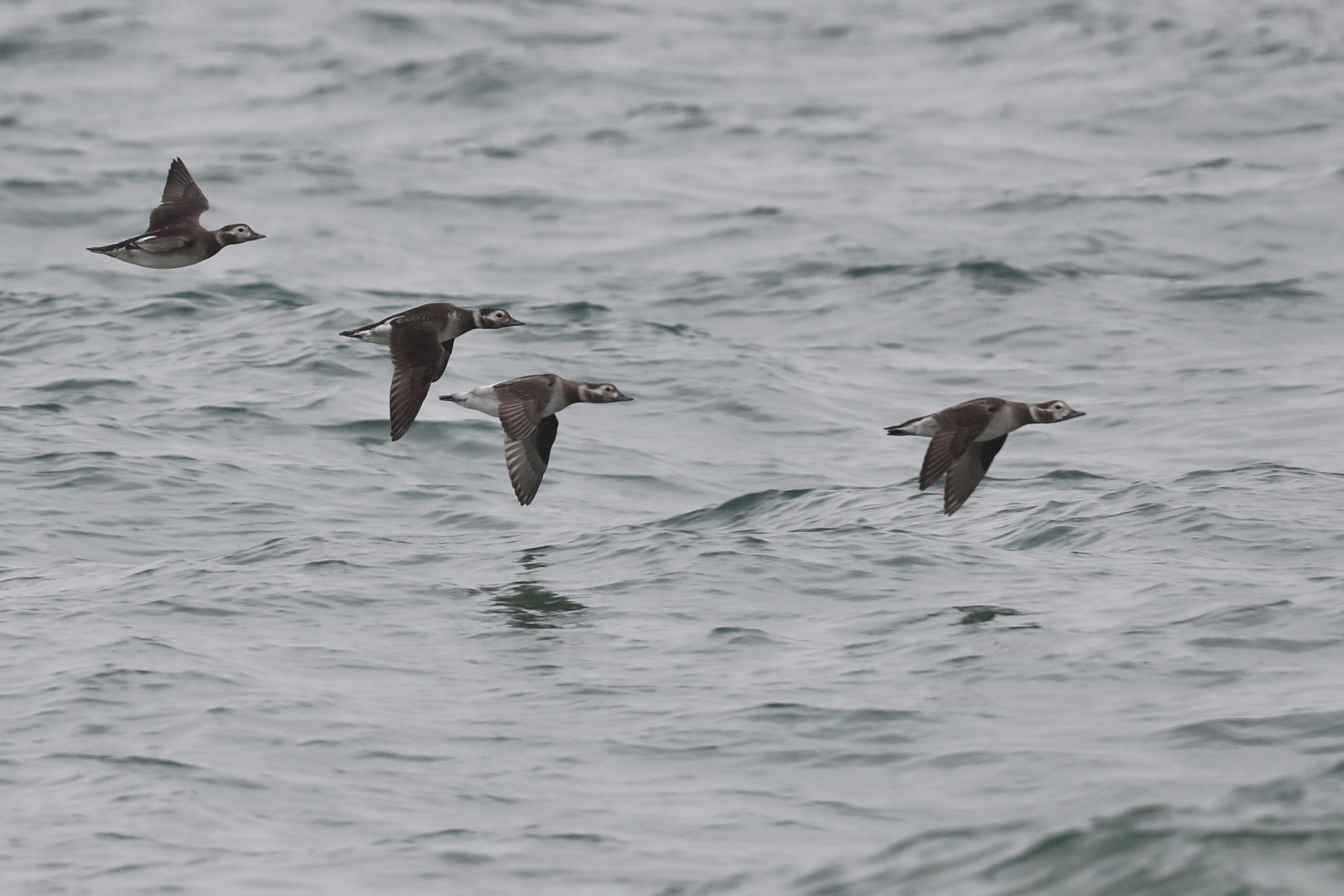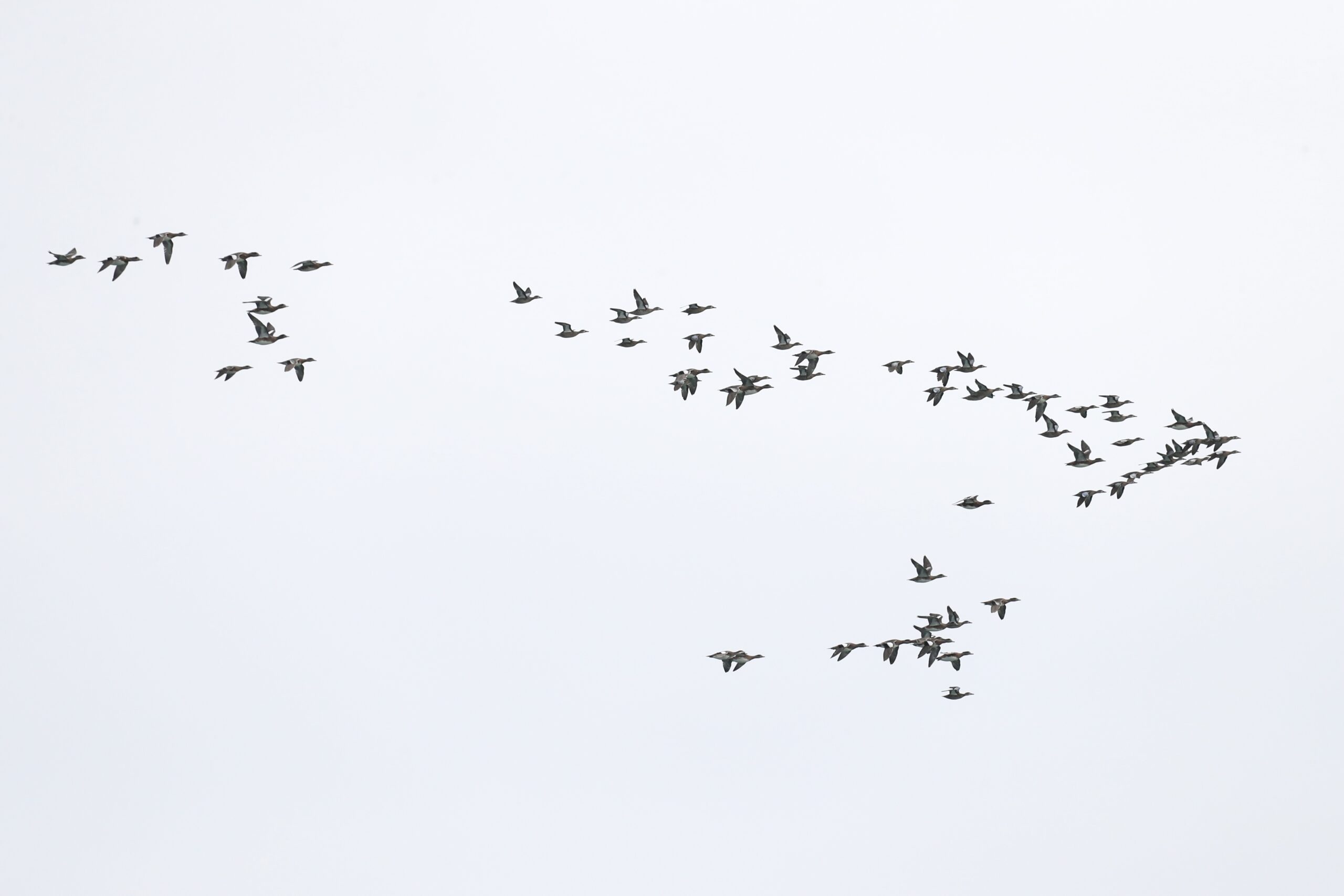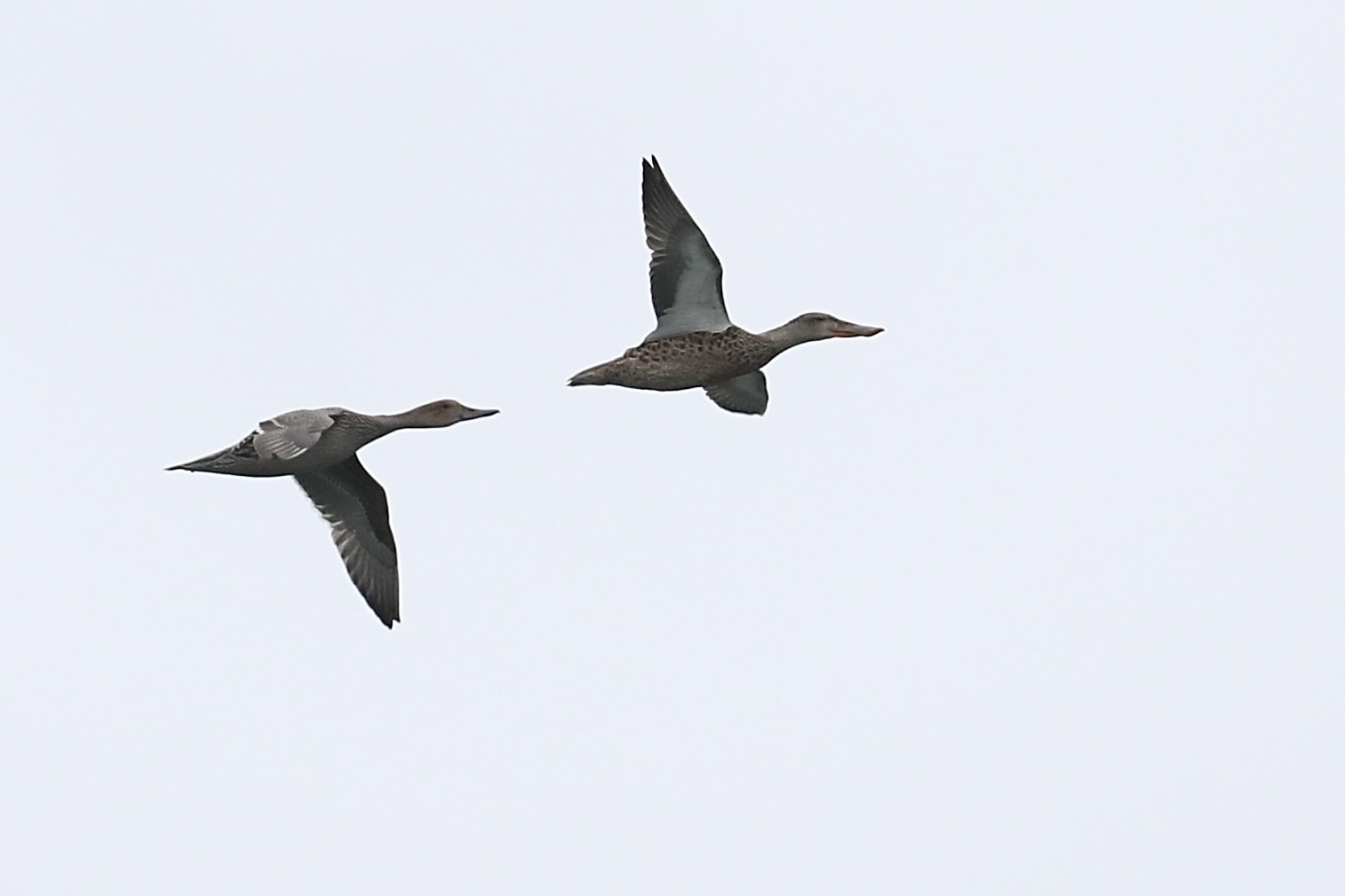
Another week, another chapter in migration here at Whitefish Point. Waterbird numbers have gotten off to a relatively slow start this month, but scaup, wigeon, and pintail numbers continue to remain consistent. Red-breasted Merganser numbers have increased recently. On the 20th, over 70 Common Loons were counted, which is the highest day so far. American Golden Plovers have been very regular this week, with singles and a few small flocks coming in off the lake. On the 21st, over 700 Canada Geese migrated past the Point, coming in off from Ontario and a single Cackling Goose was spotted amongst them.
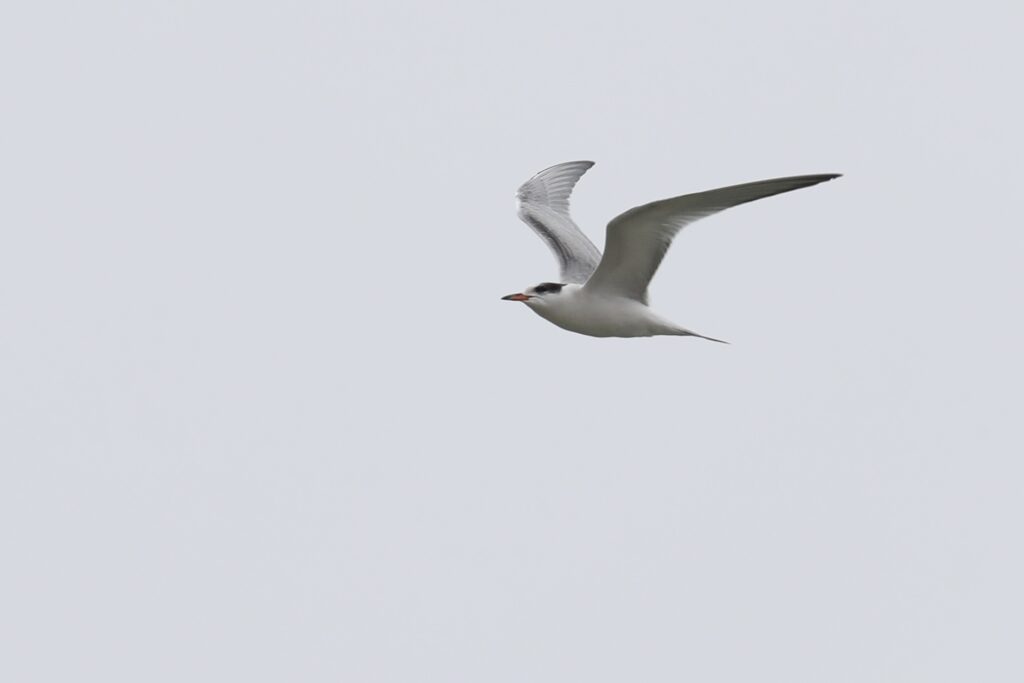
Common Tern. Photo by Jack McDonough
During the afternoon of the 21st, a Lark Sparrow dropped into the woods somewhere, which is the second one of the fall. More on the landbird front, Pine Siskins and Red-breasted Nuthatches have continued to increase. Since the 16th when a pair of Black-backed Woodpeckers showed up at the Point, several have been observed in active migration over the past week. This included a crazy sighting of one coming in off the lake on the 20th. Could this be an early dispersal or a potential irruption year? Only time will tell. Woodpecker movement in general has picked up with several flicks, Hairy and Downy Woodpeckers, and a couple Pileated Woodpeckers as well.
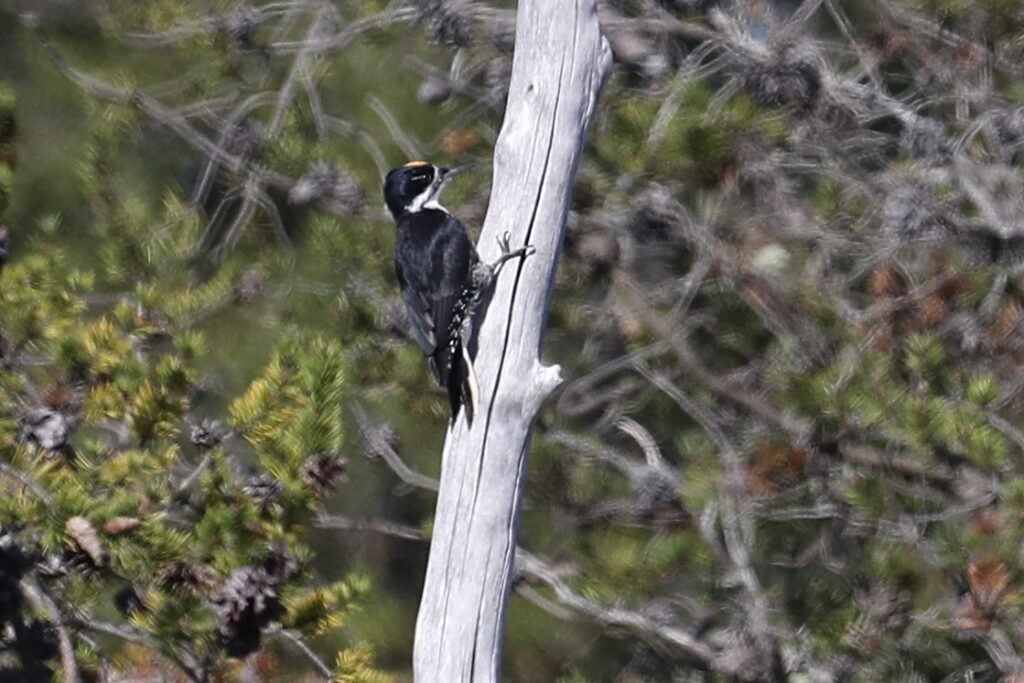
Black-backed Woodpecker. Photo by Jack McDonough
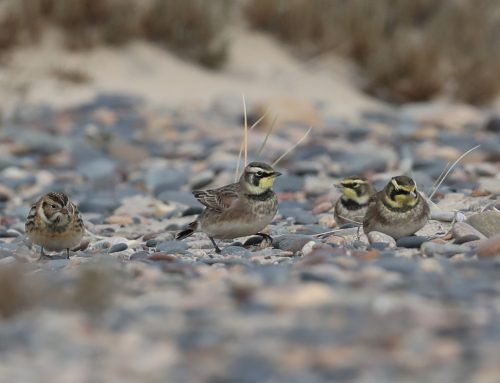
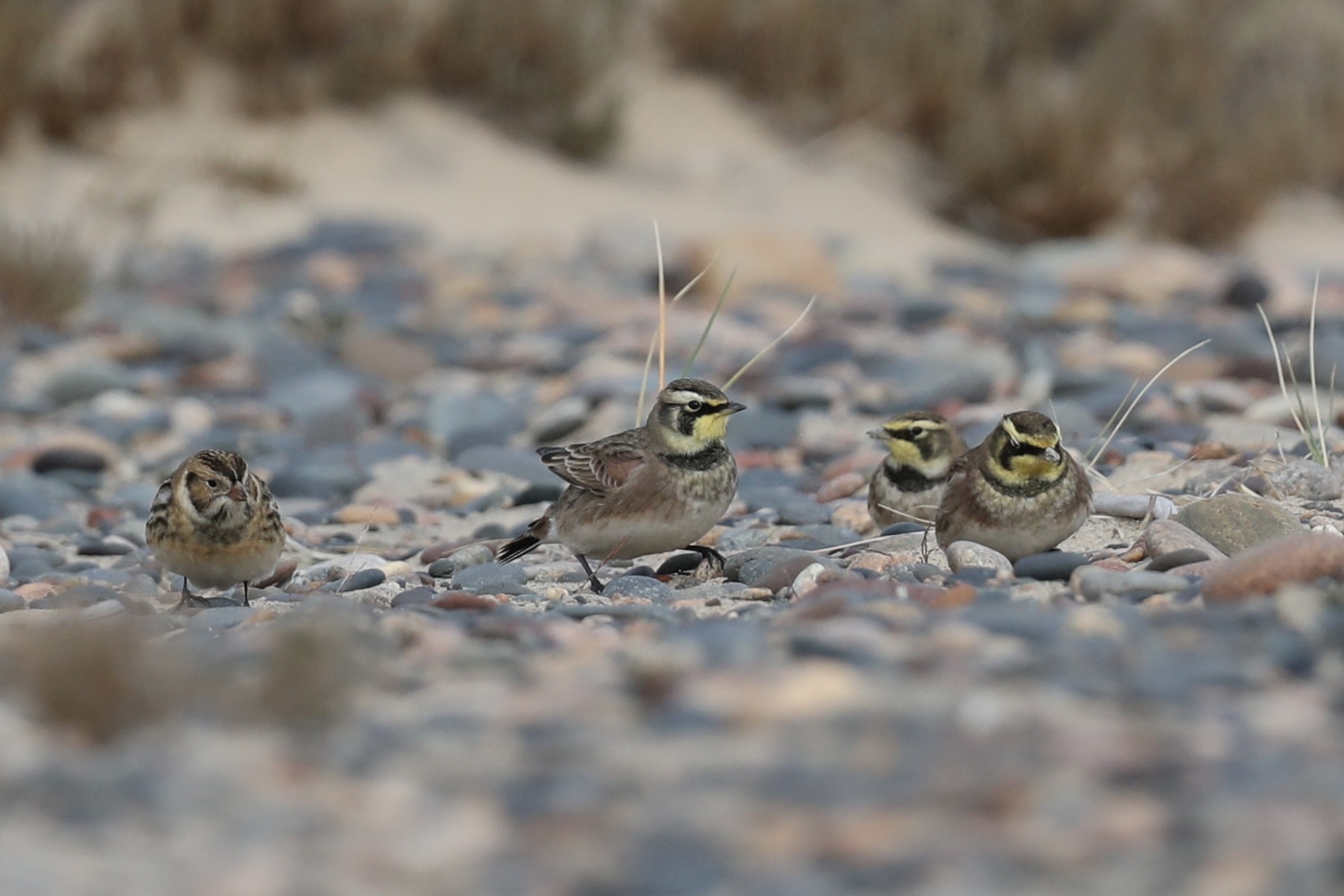
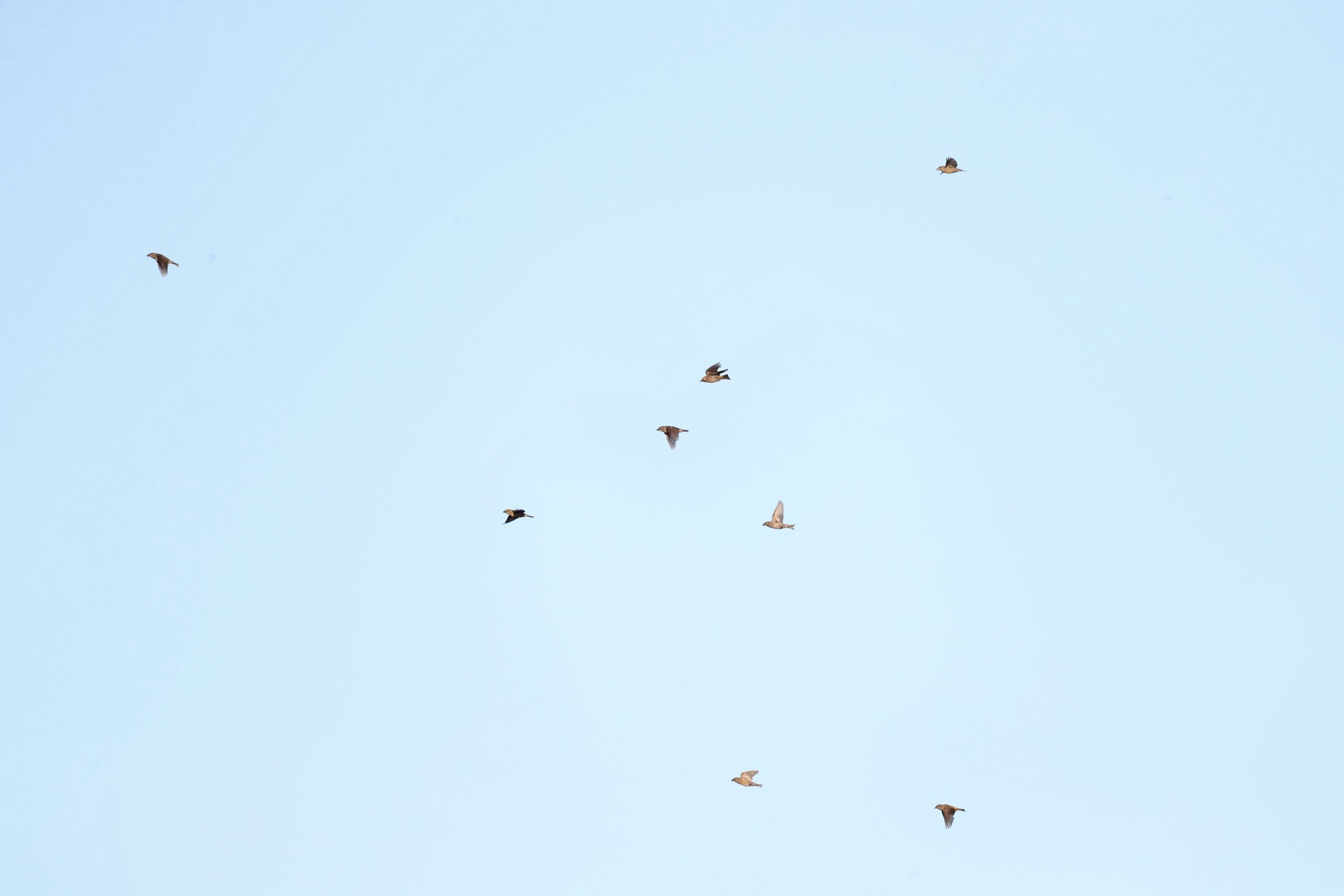
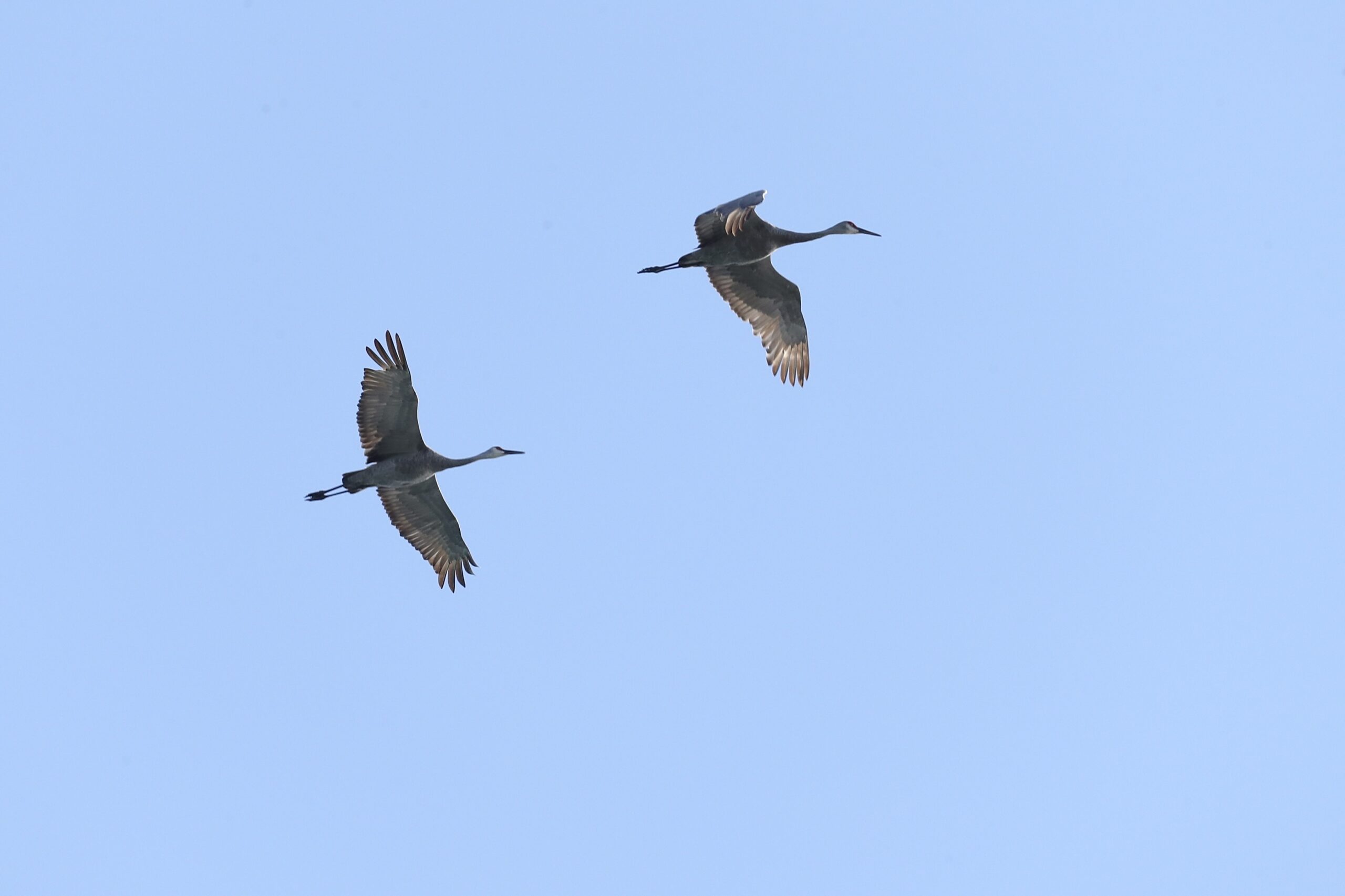
Oliver Kew, our Fall Field Ornithologist, shook up the count when he spotted a female Vermilion Flycatcher on the 17th! This rarity from the Southwest was only a second Point record. Red Crossbill numbers have dramatically slowed down in the last week, but an official 5 Types have been recorded during this irruption: 1s, 2s, 4s, 10s, and 12s. Horned Larks have really moved into the Point this week and have been daily, with similar numbers of American Pipits and almost daily Lapland Longspurs. Common Terns continue to move in random flocks every few days. Sandhill Crane migration is starting, with a nice flock of 39 over the Point on the 22nd. A Great Crested Flycatcher has been hanging around the Point over the last few days, which is unusual for the fall up here. Our first few Rusty Blackbirds have been around and our first of the season Surf Scoter was seen on 9/22.
As we enter into the last week of September, we hope to see an increase in higher waterbird totals and hopefully a few fun flights along the way. Stay tuned!
Jack McDonough, Fall Waterbird Counter
Featured Photo: Sandhill Cranes by J. McDonough
You can now see the waterbird count data on Trektellen! Check it out at trektellen.org/count/view/5727.
You can keep up with the 2026 Fall Waterbird Count by reading Jack’s weekly blog posts and following WPBO’s social media (Facebook, Instagram, and X). The fall waterbird count runs August 15 through November 15.

Jack McDonough: 2026 Fall Waterbird Counter
Jack grew up in Cape May, New Jersey, where he developed an early passion in life for anything migrating. At New Jersey Audubon’s Cape May Bird Observatory (CMBO), Jack worked for the Monarch Monitoring Project for six years and coordinated it for the last three. Jack was a migratory bird counter for two seasons for CMBO’s Springwatch project and was a swing counter for several fall counts such as CMBO’s Morning Flight, Avalon Seawatch, and Cape May Hawkwatch. Additionally for NJ Audubon, he preformed aerial imagery annotating for seabirds with USGS. Jack worked as a biologist for NJDEP Fish & Wildlife under the Endangered and NonGame Species Program for several years doing surveys and management work for state-listed species. Owning his own business in ecological consulting and biological monitoring, Jack has worked across Nevada and California in the past year. He spends most of his free time out in nature, studying behavioral ecology through the arts.